
Food safety risks from ASF-infected pork
The incident and the persistence of the ASF virus
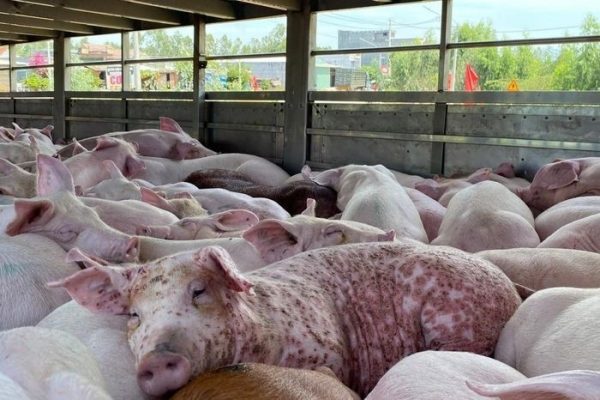
According to published information, more than 130 tons of pork infected with African Swine Fever (ASF) were brought into the warehouse of HaLong Canfoco Joint Stock Company for processing, of which about 2 tons had been produced into finished products. The network for purchasing and transporting diseased pork related to this case has been prosecuted with 9 defendants, determined to have operated for a long period.
Among infectious diseases in pigs, African Swine Fever (ASF) is a viral disease with a very high mortality rate. The ASF virus belongs to the Asfarviridae family, featuring a stable structure and the ability to persist for long periods in the environment as well as in meat products if stored under conditions such as deep freezing, salting, or drying. Therefore, even a small amount of infected meat entering the food chain can become a source for spreading serious pathogens.
Secondary bacteria and risks from diseased pork
Regarding human health, the ASF virus does not directly cause disease in humans due to biological host differences. However, pigs suffering from ASF before death often fall into a state of sepsis, necrosis of many organs, and severe secondary bacterial infections such as Salmonella, E. coli, Clostridium, Staphylococcus, and especially Streptococcus suis.
Therefore, meat from ASF-infected pigs is not merely "dirty meat" but pathological tissue, containing many microorganisms and toxic bacterial components, including heat-stable toxins that are difficult to eliminate completely during processing.
If consumers use food processed from diseased pork that has not been adequately heat-treated, they face risks of severe food poisoning, septicemia, acute kidney failure, multi-organ failure, and potential death. In reality, over many years, Vietnam has recorded many cases of poisoning and death due to Streptococcus suis infection, related to contact with or consumption of unsafe pork.
Even when heat processes can kill most live bacteria, some toxic bacterial components may still remain, increasing the risk of prolonged gastrointestinal inflammation, immune disorders, and theoretically contributing to an increased risk of pre-cancerous lesions if exposure is prolonged.
Requirement to remove diseased pork from the food chain
From a medical and food safety perspective, pork infected with contagious diseases must absolutely not be used as food for humans under any circumstances. According to recommendations from the World Health Organization (WHO) and the Food and Agriculture Organization of the United Nations (FAO), meat products from animals with infectious diseases must be biologically destroyed and never introduced into the food chain.