
Stop Boiling Broccoli the Old Way: 3 Little-Known Tips to Retain Full Nutrients
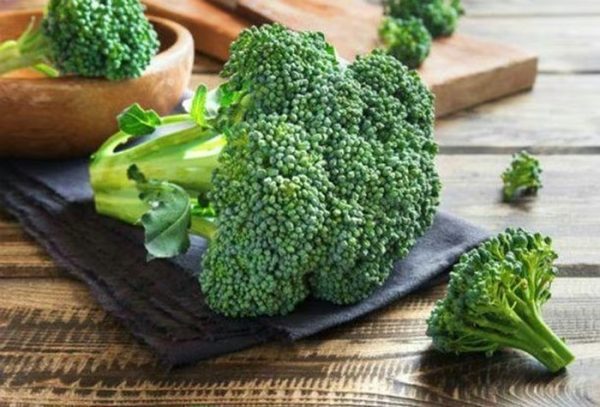
Broccoli has long been regarded as a familiar "superfood" in family meals - Photo: InternetNutritional research shows that cooking time and temperature play a key role. After chopping, let the broccoli "rest" for about 10 minutes before cooking; when cooking, prioritize steaming for no more than 5 minutes. This approach helps the vegetable preserve its bright green color, natural crispness, and maximize beneficial health compounds.
Steam Instead of Boil: 5 Minutes Is Enough
According to expert analysis, steaming should be preferred over boiling or high-heat stir-frying. When boiled, broccoli comes into direct contact with large amounts of water, causing water-soluble vitamins to leach out easily. In contrast, steaming minimizes nutrient leakage through shorter and gentler heating.
The ideal time limit is no more than 5 minutes. This is just enough time to cook the vegetable while maintaining its vibrant green color and crisp texture. In particular, this method helps reduce the loss of heat-sensitive compounds—including those linked to antioxidant capacity.
Don't Cook Immediately After Chopping: Wait 10 Minutes
Few people realize that the "waiting" step after chopping is exceptionally important. Broccoli contains glucosinolates. When cut into pieces, the enzyme myrosinase triggers the conversion of glucosinolates into sulforaphane—a compound extensively studied for its anti-inflammatory, antioxidant, and cancer-preventive properties.
If cooked immediately at high temperatures, the enzyme may become inactivated before sufficient sulforaphane is formed. Therefore, letting chopped broccoli rest for about 10 minutes at room temperature allows this conversion process to take place more effectively. Once formed, sulforaphane is more heat-stable than the original enzyme, making it less prone to destruction during brief steaming.
Cooked Is Still Good, but "Pair Smartly"
High temperatures can reduce enzyme activity due to protein denaturation, thereby affecting the amount of sulforaphane produced. However, there are ways to "compensate."
When enjoying cooked broccoli, you can serve it with a little mustard or finely grated raw daikon radish. These natural foods contain myrosinase, boosting the body's ability to convert the remaining glucosinolates into sulforaphane.
Additionally, after steaming, consider adding a small amount of healthy oils such as olive oil, canola oil, or flaxseed oil. Dietary fats provide an environment that aids the absorption of fat-soluble vitamins such as vitamins A, E, and K.
In general, cooking may cause some nutrient loss, but it also makes certain compounds easier to absorb. Three simple rules—letting it rest for 10 minutes after chopping, steaming for no more than 5 minutes, and pairing it with enzyme-supporting foods or healthy fats—can help optimize the nutritional value of broccoli in everyday meals.