
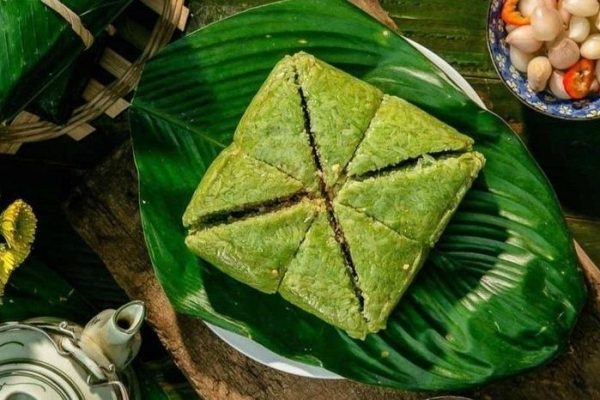
Ways to store and use bánh chưng after Tet
During Tet, many families still keep the tradition of wrapping many bánh chưng to use gradually. However, if not stored properly, the cakes easily spoil, the rice dries out, the filling becomes pulpy, or they absorb odors from other foods in the refrigerator.
Processing cakes after boiling according to traditional experience
According to traditional experience, after being boiled and removed from the pot, the cakes are often rinsed with cold water to clean the outer leaf layer, removing the fatty scum and starch clinging to the surface.
Then, the cakes are arranged neatly and pressed with a heavy weight to drain all the water trapped inside the cake and in the leaves. Once completely cooled, the cakes are kept in baskets or hung near the wood stove. This method helps the cakes last a long time, potentially until the end of the first lunar month (Giêng).
Recommended freezing and defrosting methods
In modern living conditions, many families no longer have wood stoves, so freezing is a popular option. However, if there is negligence in storage, the cake is easily "freezer burned," becoming dry and hard, with mushy meat filling and reduced flavor.
The first rule is to let the cake cool completely before putting it in the refrigerator. A still-warm cake will create steam when it hits a cold environment, causing moisture to build up on the surface, creating conditions for bacteria and mold to grow. Heat can also increase the temperature in the freezer compartment, affecting other foods.
For small families, the cake should be cut into bite-sized portions before freezing for convenience and to avoid repeated defrosting, which increases the risk of bacterial contamination.
Packaging plays a decisive role. In a freezing environment, dry air causes water in food to evaporate easily, causing "freezer burn." Therefore, the cake needs to be tightly wrapped in multiple layers of plastic wrap, pressed closely to limit air entry.
Then, put it in a zip bag, airtight container, or vacuum seal it to minimize the amount of air. This method not only limits dehydration but also slows down the oxidation of fats in the meat filling – the cause of strange odors after long-term storage.
The ideal temperature for freezing bánh chưng is about minus 18 degrees Celsius or lower. At this temperature, the activity of microorganisms is almost inhibited, and biochemical reactions in the food occur very slowly, helping the cake maintain its quality for several months.
A common mistake is frying while the cake is still frozen or soaking it in hot water to defrost quickly. The temperature difference causes the outer layer to heat up first while the core remains cold, posing a risk of bacterial growth if the process is prolonged.
A safe way is to move the cake to the refrigerator compartment for 8–10 hours or overnight to defrost slowly. Then it can be steamed, microwaved, or re-boiled for a short time to heat it evenly. If you want to fry it, make sure the cake is completely defrosted so the outer layer is golden and crispy while the inside remains soft and chewy.
Expert opinions on storage time and freezing
Although storing bánh chưng in the freezer is a method many women share on social networks, according to Associate Professor Dr. Nguyễn Văn Hoan, former Director of the Rice Research Institute, Vietnam Academy of Agriculture, for home-processed foods, the expiration date depends heavily on each family's storage method. However, in principle, cooked food left for longer periods sees its nutritional value decline and its flavor no longer the same as the original.
He said that bánh chưng is best when used within about a week, depending on storage conditions. The cake should be placed in a cool, dry place; if the ambient temperature is too high, the filling inside is very prone to becoming watery, smelling, and developing mold.
After Tet, if there are many cakes left, families can store them in the refrigerator compartment at a temperature of 5–10 degrees Celsius. It is not recommended to keep cakes in the freezer. When cutting the cake, you should only cut what you eat; the remainder needs to be tightly wrapped with plastic wrap to avoid loss of moisture, which makes the cake dry, hard, and less delicious.
Regarding the habit of freezing bánh chưng for gradual use, Associate Professor Dr. Nguyễn Văn Hoan believes that this storage method is not suitable for starchy foods. According to him, the freezing process can change the starch structure in the rice grains, affecting the quality of the cake. Therefore, he recommends not storing bánh chưng in the freezer even though it may still feel delicious when steamed or fried again.
He also noted that starchy foods like bánh chưng or white rice need to be thoroughly heated when used to ensure flavor and food safety. Improper storage, defrosting, and use can increase the risk of food safety and hygiene issues.
Signs of spoiled cakes to be discarded
Meanwhile, Associate Professor Dr. Nguyễn Duy Thịnh, Institute of Biotechnology – Food Technology, Hanoi University of Science and Technology, stated that if the cake shows signs such as becoming watery, having a rancid smell, a slimy surface, or mold, it should not be re-boiled for use. By then, bacteria have penetrated and spoiled the food; attempting to use it can lead to poisoning and affect health.