
How to choose delicious, clean prepared snail meat free of chemicals for family meals
1. Water glass: The hidden "enemy"
Recently, Ho Chi Minh City Police dismantled an illegal operation processing snail meat with industrial chemicals in Rạch Cát Bến Lức. At the scene, authorities discovered large quantities of snail meat soaking in "water glass" chemical solutions. More alarmingly, the facility owner admitted to distributing thousands of tons of contaminated snails to the market over many years.
In industry, sodium silicate (water glass) is an ingredient used in manufacturing cement, detergents, or producing glass. In agriculture, water glass is used to coat seedlings to suppress mold and strengthen plant resistance, helping to reduce the need for synthetic chemical pesticides. However, this application demands strictly controlled technical procedures and dosages to ensure safety.
Worryingly, this chemical is being abused by dishonest traders in food processing to turn dull, discolored snail meat bright white and remove slime "instantly." The chemical penetrates deep into the meat fibers, posing direct harm to consumers.
Dr. Trần Thị Hiếu, Specialist Level I - Head of the Nutrition Department at Thủ Đức Regional General Hospital, stated that when misused on snail meat, it leads to unforeseen consequences.
The "artificial weight gain" phenomenon: According to Dr. Hiếu, this chemical creates a coating film, causing the snail meat to absorb water and swell up. This not only allows dishonest sellers to profit from inflated weight, but also creates an artificial chewy, crunchy texture that deceives the consumer's palate.
Health risks: If ingested, water glass can cause burns to the gastrointestinal mucosa, leading to chronic toxicity and severe damage to internal organs.
2. Rules to remember when buying snails at the market
When standing in front of a market stall, do not be fooled by an eye-catching appearance. Use 3 senses to inspect:
Look at the color: Natural snail meat usually has an ivory-white, slightly yellowish, or dark grayish color depending on the variety. If an entire tray of snail meat looks "immaculately clean and spotless," it has most likely been treated with chemicals.
Touch to test elasticity: Fresh snail meat should be firm and spring back slightly when gently pressed. Conversely, chemically soaked snails often appear bloated, yet feel mushy, overly soft, and unnaturally watery to the touch.
Smell the odor: Clean snails carry the distinctive fishy aroma of seafood and natural mud. Chemically treated snails often lose their natural scent, replaced instead by a slight pungent odor or a strong smell of seasonings/lemongrass used by vendors as a "disguise."
3. Telltale signs of chemicals during cooking
Often, a flawless look at the market stall can deceive the eye, but the true nature of the snails will become most evident once you start preparing them.
First is during the washing step: For safe snails, the wash water usually turns slightly murky naturally without strange foam. In contrast, if you see the wash water bubbling up with dense white foam and a slimy feel that lingers stubbornly on your hands, this is a classic sign of industrial detergent residues.
When entering the cooking stage, the differences become even more pronounced. "Clean" snails shrink moderately when exposed to high heat, retaining their crisp, chewy texture and releasing a characteristic pleasant aroma, leaving the cooking broth clear and naturally sweet. Meanwhile, snails soaked in water glass—filled with chemical-laden water—will shrink drastically and rapidly, reducing noticeably in size compared to when bought. Not only that, their meat tends to turn mushy, bland, and completely devoid of natural sweetness, and the broth may develop an unpleasant, foul, or strange chemical odor.
Carefully observing these changes during cooking not only helps you evaluate food quality, but also provides the basis for deciding whether to trust that vendor in the future.
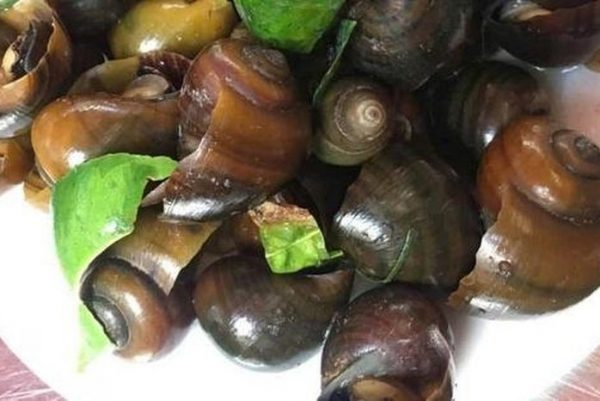
Prioritize buying live snails from reputable shops.
4. Tips for safe meals
To protect your family, it is best to:
Prioritize buying live snails: Buying whole, live snails to soak in rice water and shelling them yourself is the safest way.
Choose reputable sources: Buy from supermarkets or clean food stores that have certified inspection standards.
Prepare thoroughly: If buying pre-processed snail meat, rub it thoroughly with salt, lime juice, or vinegar. Natural acids will help partially neutralize impurities and effectively deodorize.