
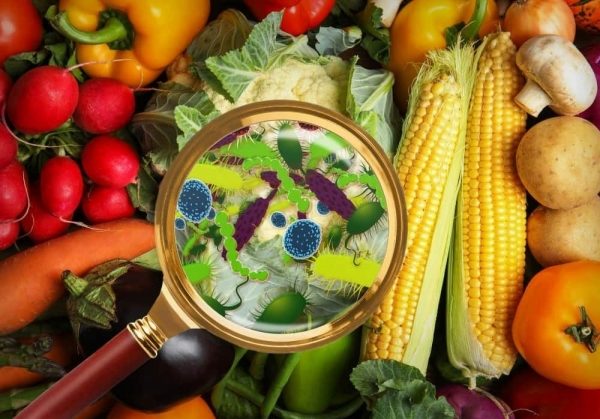
What types of cancer can contaminated food cause?
Regularly consuming unsafe food over a prolonged period significantly increases the risk of developing cancer.
When eating contaminated food, we may experience abdominal pain, vomiting, diarrhea, and more. In severe cases, food poisoning can lead to fatal outcomes.
Furthermore, frequent consumption of unsafe food over extended periods increases the risk of gastrointestinal cancers and entails the risk of developing many other types of cancer. This not only directly affects individual health but also causes numerous consequences such as soaring treatment costs and hospital bills, lost work time for patients and their families, and reduced work productivity.
Contaminated food can originate from diseased livestock and poultry, or aquatic products living in polluted water environments. Vegetables, tubers, and fruits may be treated with excessive chemical fertilizers, unauthorized pesticides, or incorrect dosages, without observing the required pre-harvest intervals.
The uncontrolled use of growth stimulants and antibiotics is also a major cause of food safety hazards. Even using diseased, spoiled, or moldy ingredients to prepare food leads to severe health consequences, including cancer.
1. Food contamination caused by improper processing
Slaughtering and processing of livestock and poultry, as well as harvesting crops, vegetables, and fruits, fail to comply with hygiene standards.
Using food additives contrary to Ministry of Health regulations also harms consumer health, including practices such as:
- Sharing cutting boards and knives between raw and cooked foods;
- Using dirty cloths to wipe eating and drinking utensils;
- Food preparation surfaces, dining tables, and utensils being contaminated;
- Failing to wash hands before preparing food, especially when preparing food for young children;
- Food handlers suffering from infectious diseases such as diarrhea, abdominal pain, vomiting, fever, coughing, or skin infections;
- Washing food and dining utensils with contaminated water sources;
- Food being undercooked or not reheated thoroughly before eating.
2. Food contamination caused by improper storage
Using ceramic, enameled iron, or recycled plastic containers contaminated with lead to store food.
Leaving food overnight or on display all day at room temperature; not covering food tightly, allowing dust, insects, flies, and rodents to access and contaminate it.
Not storing food at sufficiently cold or sufficiently hot temperatures, allowing bacteria to multiply and thrive.
3. What types of cancer can contaminated food cause?
The long-term consumption of unsafe food increases the risk of gastrointestinal cancers and many other malignancies, specifically:
Stomach – esophageal cancer
Certain chemicals used for bleaching and preserving food, or residues left from livestock farming, can damage the digestive tract and intestinal lining, leading to gastrointestinal ulcers and, more dangerously, stomach cancer. These substances can also damage capillaries, hindering the body’s ability to absorb and digest nutrients.
Colorectal cancer
Growth-promoting and lean-meat agents used in pig farming, growth stimulants, along with pesticide residues on vegetables and tubers, are factors that raise cancer risks. In particular, fermented, salted, and processed foods such as cured meat, pickled mustard greens, pickled eggplants, salted fish, smoked meat, sausages, and soy sauce contain high levels of preservatives, increasing the incidence of colorectal cancer.
Liver cancer
Toxic chemicals, bacteria, viruses, and molds from contaminated food directly or indirectly attack the liver upon entering the body, overactivating Kupffer cells, causing inflammation, and destroying liver cells. This leads to dangerous conditions, including liver cancer—one of the deadliest cancers of the digestive system.
Bone marrow cancer (myeloma / leukemia)
The long-term accumulation of chemical and drug residues from contaminated food in the body can cause bone degradation, bone marrow cancer, and a reduction in red blood cells, posing severe threats to human health.
Nasopharyngeal cancer
In addition to lifestyle factors, the consumption of fermented foods, moldy foods, and items contaminated with hazardous chemicals and pesticide residues also increases the risk of nasopharyngeal cancer.
Besides the aforementioned cancers, contaminated food also elevates the risk of many other forms of cancer and severe medical conditions.
In summary, food hygiene and safety play a crucial role in human health. The failure to ensure food safety leads to grave consequences, ranging from acute and chronic illnesses to death. The losses incurred by individuals include healthcare and recovery costs, caregiver expenses, and lost income due to work absence.
Therefore, ensuring food hygiene and safety is the shared responsibility of the entire society. Safe, quality food contributes significantly to protecting and enhancing human health, preventing and controlling risk factors, and limiting dangerous diseases such as cancer, hypertension, and diabetes. This requires food producers, traders, and processors to act with conscience, responsibility, and proper awareness to create and supply clean, safe products to consumers, contributing to building a safe society and safeguarding public health security.