
Food-saving habits that can be harmful
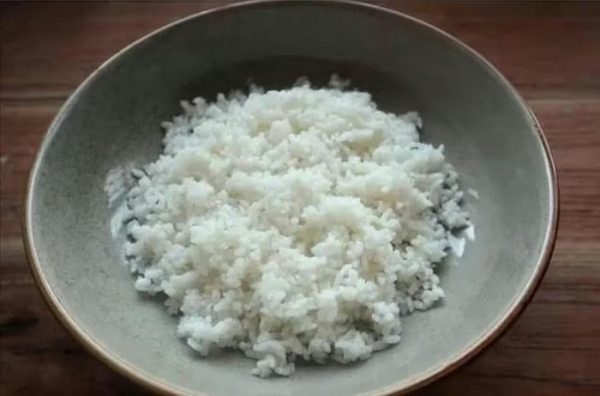
Excessive frugality and eating leftovers—especially seemingly harmless little habits—often quietly undermine your health. (Photo: ITN)
Some people are always worried about waste, especially when it comes to leftovers; whenever food is left over, throwing it away feels wasteful, so they often gather it all up into the refrigerator, intending to eat it next time. In reality, certain ways of saving food can quietly harm our health, and are even linked to certain diseases, particularly the risk of cancer.
According to doctors' clinical experience, the medical histories of many patients often share a common trait: excessive frugality, eating leftovers, and especially several seemingly harmless small habits that quietly affect health over time.
Eating leftover rice and food
There was a patient who always tried to finish leftover rice and food. Sometimes, half a bowl of rice left from a meal, or a few cold pieces of meat, she would carefully store in the refrigerator, always thinking that being frugal was very important, especially in today's era of rising prices.
Until one day, she went to the hospital due to persistent abdominal pain and was diagnosed with gastric cancer. Through a detailed medical history investigation, the doctor realized that her stomach problems were closely linked to her regular consumption of overnight food.
One cause of gastric cancer is infection with Helicobacter pylori bacteria. This bacterium easily develops on food when it is stored for too long, especially under improper storage conditions.
Even when food is kept in the refrigerator, bacteria can still multiply, releasing carcinogens when the food is reheated. Long-term consumption of such unhygienic food can lead to chronic gastritis, and even progress to cancer.
In fact, not only stomach cancer, but many digestive system cancers are closely related to inappropriate dietary habits. Many patients have no noticeable symptoms in the early stages; only when the disease progresses to late stages do they regret not paying attention to food safety earlier.
Many people have the habit of keeping leftovers in the refrigerator, believing this extends the food's shelf life. In reality, doing so not only alters the nutritional content of the food but may also lead to the accumulation of harmful substances, affecting health.
Chilled and refrigerated food
Another hazard of leftovers relates to mold growth; mold spores are very resilient, and even at low temperatures, certain molds still grow and thrive on food, especially in humid environments.
One patient developed esophageal cancer after consuming moldy leftovers over an extended period. This patient typically kept leftover rice and food in the refrigerator, sometimes even for several days.
As a result, mold spores in the food entered the digestive system, accumulating over time to eventually cause cellular changes in the esophagus and progress to cancer.
Mold affects not only the sensory appeal and nutritional value of food, but more alarmingly, the toxins it secretes. If these toxins enter the body, they not only damage liver function but can also lead to various types of cancer.
Common mycotoxins like aflatoxin have been confirmed as carcinogens. Aflatoxin is particularly damaging to the liver; if the body ingests foods containing this toxin over an extended period, liver cells suffer severe damage and can even progress to liver cancer.
Reheating food
In addition to food storage methods, another often overlooked issue related to excessive frugality is the way food is reheated. To minimize waste, many families reheat leftover rice and dishes before eating.
However, repeatedly reheating starch-rich foods such as rice and noodles alters their chemical composition, thereby posing health risks.
Reusing cooking oil
In daily household cooking, another major manifestation of frugality is reusing cooking oil. When frying or sauteing, many families feel that leftover oil is wasteful to discard, so they habitually reuse it.
However, this practice can cause greater health problems. When cooking, oil heated to excessively high temperatures oxidizes, producing harmful substances. Reusing oil multiple times increases the accumulation of these harmful compounds, elevating the risk of cardiovascular and cerebrovascular diseases as well as cancer.