
The fruits most prone to pesticide residues, the #1 looks extremely eye-catching at the market
Strawberries
Strawberries are a superfood rich in vitamin C, fiber, and antioxidants (anthocyanins), offering numerous health benefits such as boosting immunity, supporting cardiovascular health, managing blood sugar, and enhancing skin beauty. Eating strawberries helps reduce inflammation, prevent aging, support digestion, and aid in weight management.
Strawberries frequently top the "Dirty Dozen" list of fruits and vegetables (such as according to EWG 2024) because their thin skins, growth close to the ground, and high susceptibility to pests and diseases (spider mites, aphids, fungal infections) necessitate frequent pesticide spraying. Without a protective peel, strawberries easily absorb chemicals, leading to high pesticide residues. Therefore, thorough washing before consumption is essential to protect your health.
To choose fresh, chemical-free strawberries, favor berries with an even, bright red color, firmly attached fresh green caps, a distinctive aroma, and moderate size. Clean, organic strawberries usually keep for only 1–2 days, have stems that wilt easily, lack an oily shine, and are irregular in shape and size. Avoid berries with green or white patches, a faint smell, or unusually large sizes.
Tomatoes
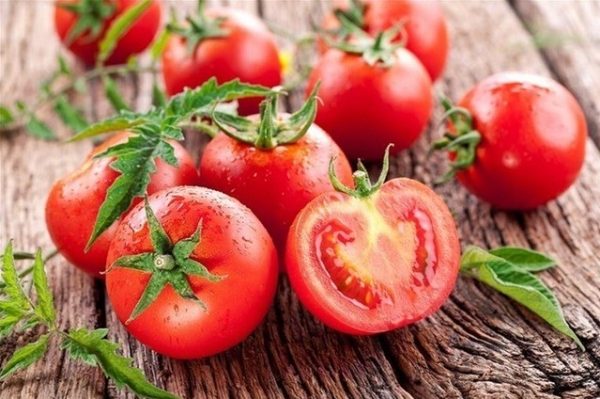
Tomatoes are a nutrient-rich food that provides numerous health benefits. Illustrative photo.Tomatoes are one of the most nutrient-dense foods and are widely used in daily meals. This fruit supplies many vital vitamins and minerals, including vitamins A, C, K, B6, folate, and thiamin, along with essential micronutrients like potassium, manganese, magnesium, calcium, phosphorus, copper, fiber, and protein.
According to research, a medium-sized raw tomato contains over one gram of fiber and provides about 22 calories, along with nutrients such as vitamin A, potassium, and the antioxidant lycopene…
Because tomato plants are herbaceous and have tender stems, they are vulnerable to insects, pests, and diseases, compelling farmers to spray extensive amounts of pesticides throughout cultivation to protect both the plants and their fruits.
To distinguish "clean" tomatoes from contaminated ones, shoppers should keep the following points in mind:
- Naturally grown tomatoes usually ripen unevenly due to variations in sunlight exposure. Parts exposed to more sunlight tend to ripen first. Chemically treated tomatoes often feature an attractive, uniformly ripe red color and a plump appearance. In contrast, "clean" tomatoes ripen gradually in patches, with darker and lighter areas.
- Typically, chemically treated tomatoes preserved for long periods have lost their stems. Clean tomatoes usually retain their stems and appear fresher. Opt for fruits that are not overripe, have a moderate firmness, and sometimes have slight green patches showing they are not fully ripe.
- When cut open, naturally ripened tomatoes reveal yellowish-white rather than green seeds, and the flesh is deep red, soft, and slightly mealy.
- Fruits that have been injected with chemicals will show no signs of spoilage even when kept at ambient room temperature for extended periods.
Helpful tips for choosing safe fruits
- Choose fresh, unblemished fruits with a normal external appearance, natural color, firm texture, and a heavy feel in the hand.
- Some fruits may be spoiled on the inside yet still appear fresh on the outside due to chemical preservatives, so inspect them carefully before purchasing.
- Avoid buying pre-peeled, pre-cut fruits soaking in water at open markets; not only can the soaking water be unhygienic or contain toxic additives used to keep produce white and crisp, but water-soluble vitamins naturally present in fresh produce—such as vitamin C—can also dissolve and leach out into the soaking water.
How to properly clean produce
According to the US CDC, wash your hands and necessary utensils before preparing food. Expert Carissa Galloway further advises:
- Hold fruits and vegetables under cold running water in the sink
- Use paper towels or a specialized produce brush to clean fruits and vegetables
- Dry the produce with paper towels if you do not plan to eat it right away. Leafy greens can also be dried using a salad spinner.
You do not necessarily need to use baking soda or vinegar to clean fruits and vegetables.