
Poultry Mites - The Hidden Enemy of Farmers
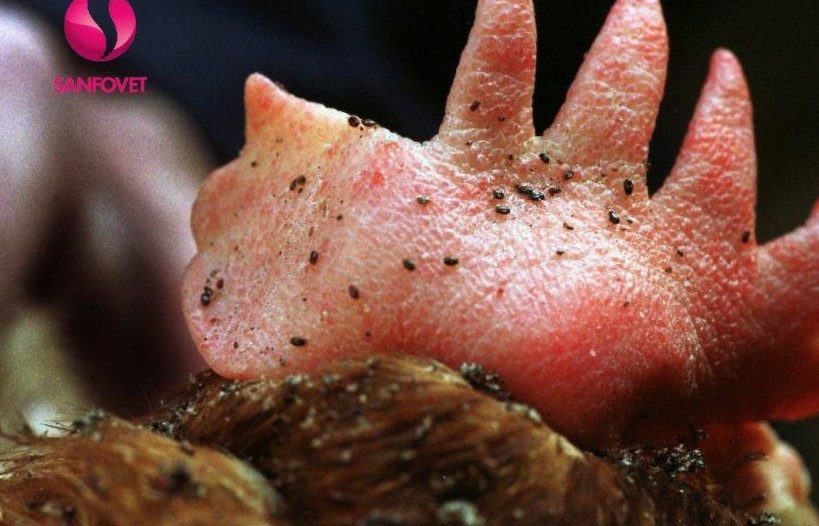
Illustrative image
Although this parasite is only a few millimeters in size, the consequences it causes can reduce productivity, weaken the flock, and even lead to mass mortality if left uncontrolled. Poultry mites are arthropod parasites that survive by feeding on the host's blood. They typically hide in coop crevices, nesting boxes, straw bedding, or dark corners during the day, emerging only at night to suck the chickens' blood. The most common species is the red poultry mite (Dermanyssus gallinae) – a persistent nightmare for poultry farmers. What makes them so dangerous is their very short life cycle (only about 7–10 days) combined with extremely rapid reproduction. A single female mite can lay dozens of eggs, and within a short period, the mite population in a coop can escalate into thousands or even millions.
Signs of Poultry Mite Infestation
Because poultry mites are mainly nocturnal, they are difficult to detect through daytime observation alone. However, farmers can identify an infestation through several characteristic signs: Restlessness and itching: chickens frequently preen and scratch themselves, especially at night. Reduced feed intake and egg production: chickens become stressed from blood loss, leading to poor appetite and a noticeable drop in egg yield. Pale skin: continuous blood-feeding can cause anemia in chickens. Feather loss and ruffled plumage: feathers lose their smoothness and shed easily. Blood-stained or soiled eggs: mites crawling into nesting boxes contaminate the eggs. Presence of mites in the coop: checking at night with a flashlight may reveal mites crawling on coop walls or on the chickens' bodies.
Harmful Effects of Poultry Mites
Poultry mites not only cause discomfort but also severely impact farming efficiency: Reduced livestock productivity: hens lay fewer eggs, and broilers grow more slowly. Anemia and debilitation: high mite densities can lead to severe exhaustion in chickens. Disease transmission: mites can act as vectors for various dangerous pathogens. Increased production costs: farmers incur additional expenses for medications and labor. Impacts on human health: mites can bite humans, causing itching and allergic reactions. On large-scale farms, poultry mites can inflict tens of millions of VND in losses per flock if not addressed promptly.
Causes of Poultry Mite Outbreaks
Several factors create favorable conditions for mites to thrive: Damp coops and poor hygiene; High stocking density; Infrequent changing of bedding; Lack of regular disinfection measures; Hot and humid weather – the ideal condition for mites to proliferate; In tropical climates like Vietnam, poultry mites can develop year-round without a dormant season.
Prevention and Control Measures
Prevention is always more effective than cure. To mitigate poultry mites, farmers need to implement an integrated set of measures: Coop hygiene; Regularly clean manure and replace bedding; Keep the coop dry and well-ventilated; Seal crevices and cracks where mites hide; Regular disinfection; Apply powdered lime on the coop floor; Spray disinfectant solutions 1–2 times a week; Use blowtorches or boiling water to eradicate mites in cracks and crevices; Flock management; Avoid overcrowding; Quarantine newly introduced birds; Regularly inspect chickens at night; Biological methods; Use herbs such as chinaberry leaves, lemongrass, and neem leaves to repel mites; Provide wood ash dust baths for chickens – helping suppress external parasites.
Treatment of Existing Infestations
When mites are detected, prompt and thorough treatment is essential: Spray specialized acaricides: such as permethrin, cypermethrin, etc., following instructions; Treat the entire housing facility: not just the birds, but their entire living environment; Repeat after 5–7 days: to eradicate newly hatched mites; Combine with comprehensive sanitation: to prevent recurrence. Note: strictly adhere to dosage and withdrawal periods to ensure food safety.
Practical Experience from Farmers
Many experienced poultry farmers share that poultry mites "are not fearsome because they are strong, but because they are silent." Flocks may appear normal externally, yet productivity gradually declines; by the time the infestation is discovered, mites have already overrun the coop. Valuable practices include: Inspect the coop at night once a week; Place a white sheet of paper inside nesting boxes; visible red specks indicate the presence of mites; Always adhere to the rule of keeping "the coop cleaner than your own home." Poultry mites remain one of the quietest yet most dangerous threats to the poultry industry. With their microscopic size, rapid reproduction rate, and insidious hiding habits, they can easily slip past farmers' notice if not given proper attention.
To protect flocks and ensure economic viability, farmers must raise awareness, proactively implement preventive measures, and intervene in a timely manner. Only by keeping such "hidden enemies" under control can poultry farming develop sustainably and safely. Poultry mites are not a new challenge, but farmers' mindset and actions will determine the extent of damage. A clean coop and a scientific management process serve as the best "vaccine" against this dangerous parasite./.