
Factors that Help Organic Fertilizer Decompose Quickly
Composting is an organic solution that helps improve soil, reduce fertilizer costs, and minimize agricultural waste. However, many farming households often face difficulties due to the extended decomposition time. Below are 5 ways to speed up the composting process, shortening the time down to about 4 weeks if done properly.
Turning and Increasing Air Circulation
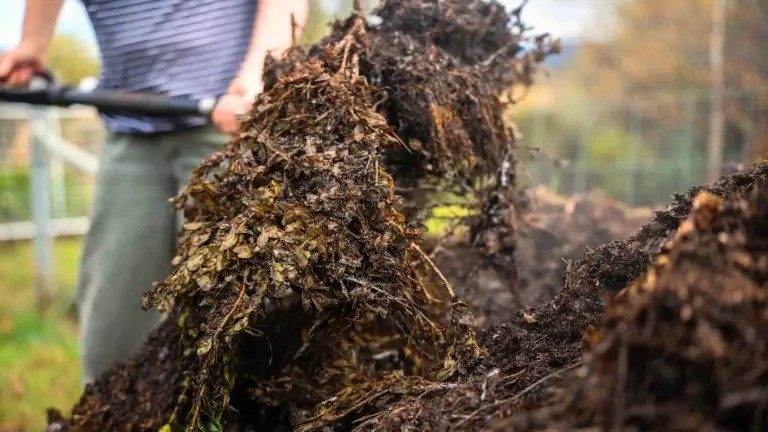
First, regular turning helps increase oxygen, heats up the compost pile, and promotes the decomposition process. The general rule is to turn every 3–4 days or when the temperature drops below 40°C. Second, aerate by designing compost bins with gaps or inserting perforated PVC pipes in the middle for air circulation.
Maintaining Moisture and Balancing Materials
Third, maintain appropriate moisture, lightly watering when materials appear too dry, while avoiding waterlogging the pile which slows down decomposition. Fourth, supporting additives such as green leaves, fresh grass, or microbial inoculants can be added, but a balanced ratio must be maintained: 3 parts brown materials to 1 part green materials.
Adjusting the Compost Pile Size
Finally, adjust the size of the compost pile: piles that are too small may fail to decompose, while piles that are too large are difficult to turn. The ideal size is about 1m³ (3×3×3 ft), placed in a 5×5×5 ft bin, which will help the process occur quickly and evenly.
Applying these 5 principles simultaneously will help farmers take the initiative with their organic fertilizer source, improve soil health, and reduce dependence on chemical fertilizers.