
Huế City proactively prevents and controls animal diseases to protect public health
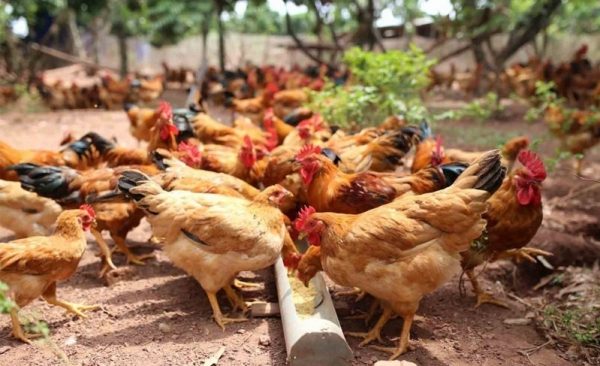
The risk of diseases in livestock and poultry is developing in a complicated manner. Source: InternetGiven the complicated developments of disease risks in livestock and poultry, the Huế City People's Committee has requested departments, agencies, and local authorities to synchronously and drastically implement solutions for animal disease prevention and control to protect production, the environment, and public health. This is also an important task to build a safe, biosecure, and sustainably developing livestock industry.
Proactive from the grassroots, controlled from the herd
Implementing Official Dispatch No. 12261/UBND-NN dated 13/8/2026 on the synchronous and drastic implementation of measures for animal disease prevention and control, the Huế City People's Committee requested the agriculture, health, and finance sectors along with commune and ward authorities to urgently take action, ensuring they are not passive or caught off guard by the risk of disease outbreaks and spread.
Preventing and controlling diseases in livestock is the responsibility of the whole society.The Department of Agriculture and Environment was assigned to continue implementing measures to prevent and control livestock and poultry diseases according to directives issued in 2026, including solutions to rectify slaughter control work; prevent and control African Swine Fever and proactively monitor and respond to the risk of Foot-and-Mouth Disease caused by serotype SAT1 viruses entering the city.
One of the key tasks is to accurately statistically record the total livestock population in the area to implement the Fall 2026 vaccination campaign, striving for over 80% of the existing livestock population to be vaccinated. Along with vaccination, disease monitoring must be carried out regularly to ensure early detection, timely warning, and thorough handling right from the appearance of the first signs.
Specialized agencies are also required to strengthen quarantine, control the transportation of animals and animal products, and control slaughtering; strictly handle acts of failing to report diseases, selling off or slaughtering sick or suspected sick animals, and throwing dead animal carcasses into the environment, which spreads pathogens.
Biosecurity is the "first shield"
In disease prevention and control, vaccination is an important solution but not enough. The City People's Committee requires livestock farmers to regularly maintain biosecure farming measures, cleaning, and disinfecting barns.
Cleaning and disinfection with lime powder and chemicals in the barn area and surrounding areas must be carried out seriously and regularly. Farmers must also proactively monitor the health of their livestock and timely notify specialized agencies when abnormal signs are detected.
Proactively monitor the health of livestock. Illustrative imageCommunes and wards are responsible for accurately statistically recording the total herd to serve vaccination; guiding people to declare livestock activities and comply with regulations on areas where livestock farming is not permitted and swiftlet farming areas according to Resolution No. 42/2025/NQ-HĐND dated 8/12/2025 of the Huế City People's Council.
This not only contributes to limiting diseases but also guides farmers to shift from a production method based heavily on handling outbreaks when they occur to proactive disease prevention, risk management, and biosecurity control from the start.
Preventing diseases from becoming a risk to the community
Animal diseases not only directly affect the production and income of farmers but can also impact the environment, food safety, and human health.
Therefore, the Department of Health is assigned to lead the inspection and monitoring of the prevention and control of diseases capable of being transmitted from animals to humans; early detection of suspected cases for timely isolation, treatment, and management, limiting the risk of infection in the community.
The agriculture sector coordinates with the health sector and localities to implement activities to prevent and control zoonotic diseases; while also coordinating to control the illegal transportation of animals and animal products across borders, and animals of unknown origin or provenance.
Slaughter control, transportation, and veterinary hygiene should therefore be seen as a link in the chain of ensuring disease safety associated with food safety. Good control from farming and circulation to slaughtering will contribute to protecting consumers and improving the quality of livestock products.
Linking disease prevention with sustainable livestock development
The City People's Committee also requested the Department of Finance to review and advise on allocating resources for disease prevention and control according to regulations, based on proposals from specialized agencies and local authorities.
When an outbreak occurs, communes and wards must concentrate resources to completely handle the outbreak, limiting the emergence of new outbreaks; organize the destruction of sick or suspected sick animals according to regulations; and at the same time implement support policies for farmers who suffer losses in accordance with the law.
In particular, local authorities must resolutely handle acts of buying, selling, or transporting sick animals, and throwing dead animal carcasses away, which spreads disease and causes environmental pollution. The disease reporting regime must be implemented fully, accurately, and promptly; localities are responsible for the accuracy of disease data in their managed areas.
Immediate tasks need to be placed within the framework of the "Plan for prevention and control of dangerous infectious diseases in livestock and poultry in Huế City, period 2026 - 2030" issued under Decision No. 2744/QĐ-UBND dated 27/8/2025 of the City People's Committee.
In the long term, disease prevention and control need to become an inseparable part of the livestock industry restructuring process. A sustainable livestock industry must start with healthy livestock, biosecure farming facilities, controlled breeding sources and products, a protected environment, and producers who are conscious of their responsibility to the community.
Proactively preventing disease instead of chasing after outbreaks; controlling from the barn instead of only controlling when products reach the market; protecting livestock in association with protecting the environment and human health is the right direction in line with the requirements of developing green, safe, and sustainable agriculture.
With the coordinated involvement of sectors, localities, and livestock farmers, animal disease prevention and control in Huế city not only aims to protect livestock and poultry populations during each epidemic season, but also lays the foundation for building a responsible, safe livestock sector that adapts better to future fluctuations. This is an important condition for stabilizing production, protecting the environment, increasing people's income, and working towards green, ecological, circular, and sustainable agricultural development./.