
Fiddle-leaf fig (Bàng Singapore): Characteristics, feng shui meaning, and how to plant for attracting wealth
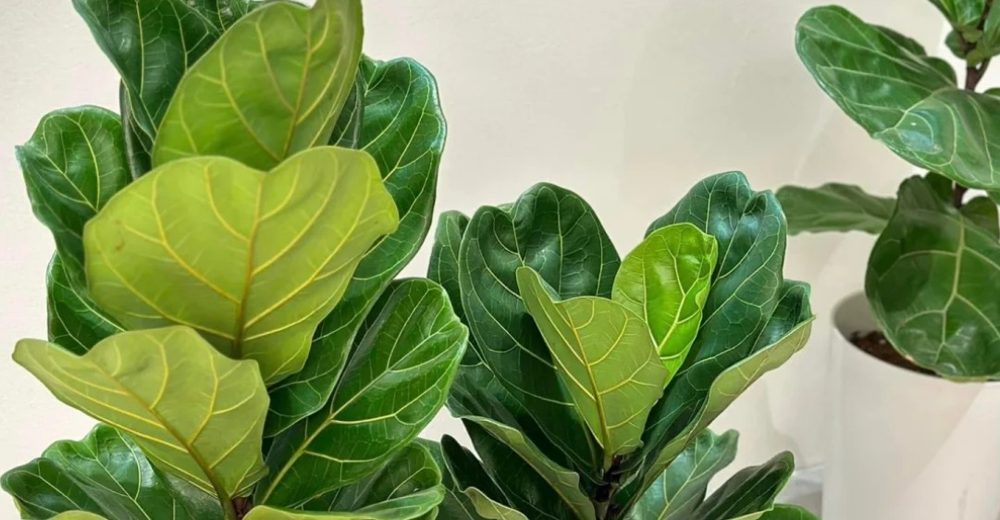
The tall Fiddle-leaf fig with its wide canopy brings a modern and elegant beauty. Photo: Baidu
Among ornamental plant and feng shui enthusiasts, the Fiddle-leaf fig (Ficus lyrata) always occupies a special position. This plant not only possesses a modern, luxurious beauty but also creates a highlight for many spaces such as living rooms, balconies, or offices.
Thanks to its good adaptability, ease of planting, and care, the Fiddle-leaf fig is increasingly chosen by many families and businesses.
Outstanding characteristics
The name "Bàng Singapore" (Singapore almond) originates from the fact that this plant was widely grown and became famous in Singapore, although it actually originates from West Africa.
Because it was popularly grown in Singapore before spreading to many other countries, this plant is called "Bàng Singapore" for easy identification and to distinguish it from other almond tree varieties.
The Fiddle-leaf fig has a woody trunk reaching 1.5-3m in height, large leaves, dark green in color with prominent veins. Young leaves are covered with a layer of soft fuzz, creating a friendly and elegant feel.
Although its growth rate is slow and it takes many years to mature, the Fiddle-leaf fig compensates by staying green year-round, contributing to air purification and creating a fresh, cool atmosphere.
With its balanced tree shape and wide canopy, the Fiddle-leaf fig is not only a green highlight in the home but also expresses luxury and sophistication, suitable for many different spaces from living rooms and offices to resorts.
In Vietnam, this plant adapts well to the tropical climate, becoming a popular choice for decorating houses and green spaces.
Feng shui meaning and uses
In feng shui, the Fiddle-leaf fig symbolizes vitality, striving, and the ability to overcome challenges.
The upright trunk represents diligence, perseverance, and determination, while the wide canopy symbolizes wealth, prosperity, and luck.
In particular, the green leaves belong to the Wood element, which is compatible with people of the Wood element and those born in the year of the Rat, bringing favor and smoothness in work and relationships.
Planting a Fiddle-leaf fig in the house not only beautifies the space but also helps purify the air, create positive energy, and bring a sense of happiness and warmth to the whole family.
In feng shui, the Fiddle-leaf fig has green leaves belonging to the Wood element, so it is particularly suitable for people of the Wood and Fire elements (Wood generates Fire), helping to bring luck and positive energy in work and life.
Regarding age, this plant is often said to be compatible with the years of the Rat, Tiger, and Dragon, contributing to attracting wealth, peace, and smoothness in relationships.
Owning a Fiddle-leaf fig in the home or office is not just about aesthetics but also carries the meaning of supporting development, persistent striving, and long-term prosperity.
Plant placement and care
To maximize its aesthetic and feng shui value, the Fiddle-leaf fig should be placed in strategic positions in the house such as balconies, at the foot of stairs, in the living room, next to the sofa, or in the office. These positions help increase vitality and attract wealth.
In public areas such as hotels, cafes, or offices, placing the plant at the reception desk, entrances, or near windows creates a lively and luxurious highlight.
Small types of Fiddle-leaf figs are also suitable for placing on desks, providing a fresh feeling while increasing concentration and relaxation.
Caring for the Fiddle-leaf fig is relatively simple and very suitable for the Vietnamese climate. First, choose porous, well-draining soil so the plant can absorb nutrients quickly without becoming waterlogged.
Regarding watering, the plant does not like excessive moisture. For indoor plants, you only need to water about 3-4 times/week; while outdoor plants can be watered once a day. Priority should be given to using rainwater, well water, or clean water, limiting tap water containing high levels of chlorine.
The plant prefers light but can still live in light shade; therefore, place the plant where there is enough light for the leaves to develop evenly, limiting the phenomenon of small or withered leaves. Additionally, periodic pruning of damaged leaves and branches, as well as wiping dust off the leaves, will help the plant photosynthesize effectively, ensuring a wide and balanced canopy.