
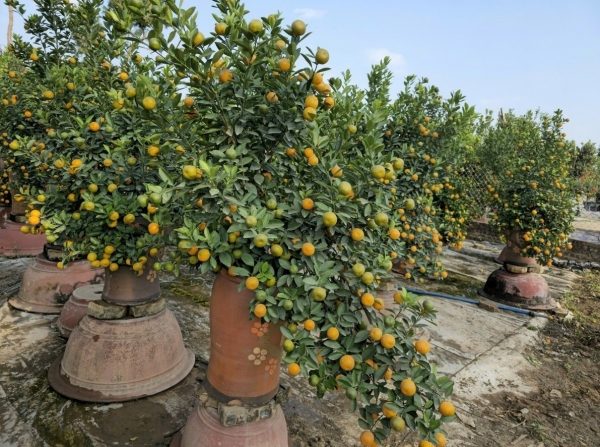
Techniques for Reviving and Nurturing Kumquat Trees After Tet
Speaking with reporters, Assoc. Prof. Dr. Đặng Văn Đông, Deputy Director of the Fruit and Vegetable Research Institute, shared that ornamental kumquat trees after Tet do not "lose their value" as many people assume. With the right techniques, the tree can fully recover and be nurtured to decorate homes for subsequent Tet seasons.
Common Mistakes When Displaying Kumquats Indoors
Assoc. Prof. Dr. Đặng Văn Đông noted that during the Tet holiday, moving kumquat trees from outdoors to indoors forces the plants to adapt to weaker light, fluctuating temperatures, and different humidity levels. Without proper management, trees can easily suffer from "physiological shock," leading to leaf drop, fruit drop, or branch withering.
Specifically, during the Tet display period, many households place kumquat trees right next to air conditioners, near kitchens, or in spots exposed to harsh direct sunlight through glass windows. These locations cause drastic temperature fluctuations around the canopy, adversely affecting photosynthesis and metabolic processes.
Another common mistake is overwatering. Seeing slight wilting, many people immediately and continuously add water. However, the root ball in the pot is naturally limited; heavy watering leads to localized waterlogging, oxygen deprivation in the roots, and rapid decline. It is recommended to water only when the surface of the growing medium is slightly dry, while ensuring the pot has adequate drainage holes.
Many people also fertilize or spray growth stimulants during the display period in an effort to keep fruit longer and leaves greener. However, this can disrupt the tree's physiology and even accelerate its exhaustion. During the holiday display stage, the most vital rule is to maintain a stable condition and avoid aggressive interventions.
Furthermore, moving the tree back and forth between indoors and outdoors too often prevents it from adapting in time. Abrupt environmental changes increase the risk of leaf and fruit shedding.
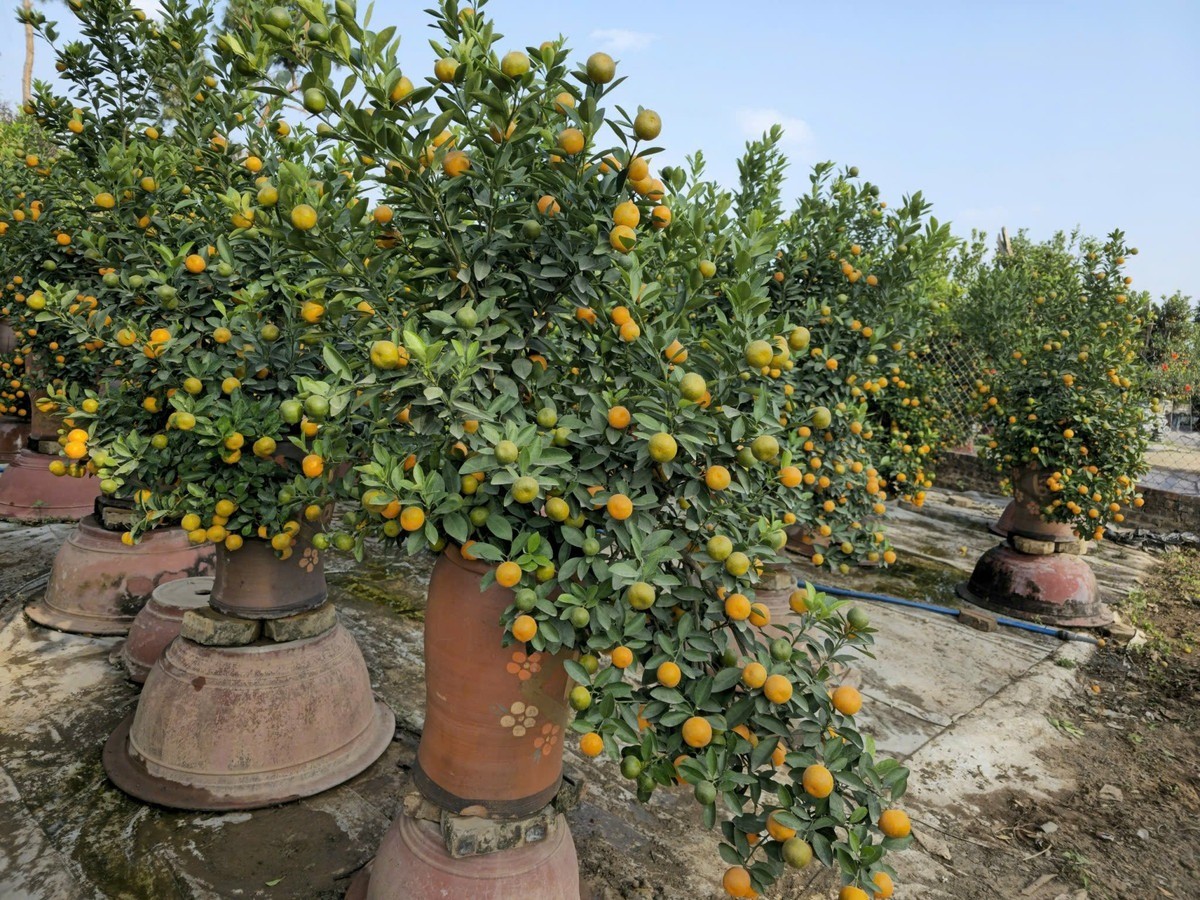
Steps to Revive the Tree After Tet
According to Dr. Đông, a kumquat tree's ability to recover after Tet depends largely on its initial vigor and how intensively it was previously forced by cultivation techniques. Trees with well-balanced shaping that were not overexploited, retaining strong root systems and minimal leaf loss, stand a much better chance of recovery.
As soon as the display period ends, the tree should be moved to an airy, cool outdoor spot with natural light. However, this transition should be gradual, allowing the tree to acclimate steadily to natural sunlight and outdoor temperatures.
All remaining fruit must be pruned off, and dry or weak branches should be removed to reduce nutrient consumption. After about 10–15 days of stabilization, the tree can be repotted or have some old soil replaced with loose, aerated potting mix to stimulate new root development. Fertilization should only be done gently, following the principle of "little and regular," to help the canopy regenerate sustainably.
"Miniature landscape kumquats, if properly cared for, can be cultivated for many years, continuing to be shaped and bear fruit in future seasons," Assoc. Prof. Dr. Đặng Văn Đông stated.
Caring for Shaped and Landscape Kumquats
Assoc. Prof. Dr. Đặng Văn Đông noted that for intricately shaped kumquat pots combined with artificial mountains, stones, moss, or decorative miniature landscapes, the fundamental principles remain the same; however, care demands greater caution.
This is because the root ball is usually small and covered with stones and moss, reducing drainage and gas exchange for the roots compared to conventional potted kumquats. Excessive watering over prolonged periods creates a high risk of localized root rot. Growers must carefully regulate water volume, avoiding keeping the root ball constantly soaked.
Moss and decorative materials should only be kept lightly moist to preserve aesthetics without becoming waterlogged. When placing the tree, choose a spot with filtered light, avoiding harsh direct sunlight that heats up the root ball and dries out the moss quickly.
Moving shaped kumquat pots must also be done gently, avoiding strong vibrations as the miniature landscape structure can easily damage roots and branches. According to experts, for this type of kumquat, growers should prioritize environmental stability, applying "minimal but precise" care and avoiding aggressive interventions.
The long-term reusability of miniature landscape kumquats depends heavily on the space available for root growth. If the root ball is too small, the tree is only suitable for short-term maintenance and will struggle to sustain vitality across multiple seasons. Therefore, when feasible, consider repotting into a more suitable container once the tree has stabilized.
According to Assoc. Prof. Dr. Đặng Văn Đông, from display to recovery, the most crucial factor remains a correct understanding of the plant's growth habits and maintaining a stable growing environment.
"When nurtured properly, kumquats are not merely ornaments for a few days of Tet, but can become perennial bonsai plants, continually bringing spring's vibrant spirit back each year," Dr. Đông affirmed.