
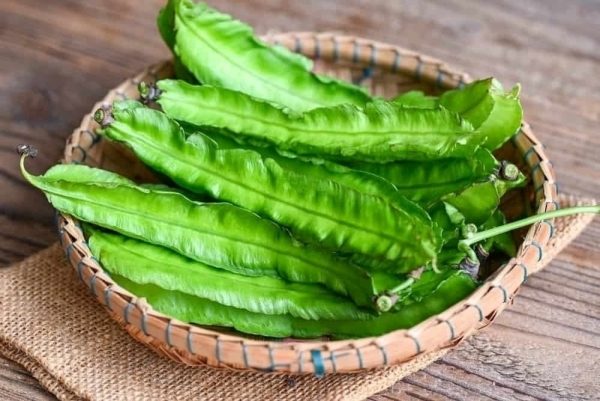
Winged bean – an inexpensive "green superfood" packed with top health benefits
Winged bean (also known as dragon bean or starfruit bean) is a familiar vegetable in Vietnamese family meals. (Photo: Vietnamnet)
A rich source of plant-based protein
Winged bean is considered one of the most protein-rich vegetables, with a content equivalent to soybeans when measured on a dry-weight basis. The protein in winged beans contains all the essential amino acids that the body cannot synthesize on its own, playing a vital role in building and repairing muscle tissue. For those following a vegetarian diet or trying to lose weight, adding winged beans to the daily menu is an excellent way to ensure sufficient protein intake, helping sustain physical strength and endurance for daily activities.
Boosts the immune system and fights oxidation
The vitamin C and vitamin A content in winged beans is exceptionally impressive, serving as two key factors in strengthening the body's protective barrier. Vitamin C stimulates white blood cell production to fight off pathogens like bacteria and viruses, while antioxidants help neutralize free radicals—the culprit behind premature aging and chronic diseases. Consuming winged beans regularly helps the body build a strong natural defense mechanism, reducing minor illnesses and preserving cellular vitality from within.
Supports bone and joint health and prevents osteoporosis
Winged bean is a treasure trove of minerals, offering abundant calcium, magnesium, and phosphorus—essential components for maintaining a strong skeletal system. Calcium helps enhance bone density, while magnesium supports more effective calcium absorption. Particularly for the elderly and perimenopausal women, eating winged beans helps effectively prevent osteoporosis and joint pain, while promoting cartilage regeneration for smoother, more flexible movement.
Improves eyesight and protects the eyes
The presence of vitamin B2 and vitamin A in winged beans brings invaluable benefits to your eyes. Vitamin A protects the cornea and improves night vision, while vitamin B2 helps prevent conditions such as cataracts and glaucoma. In today's digital age, where eyes are constantly exposed to blue light from electronic screens, winged bean serves as a natural "eye tonic" food, relieving eye strain and maintaining sharp, healthy vision over the long term.
Supports digestion and weight management
With its rich fiber content, winged bean is an ideal food for improving gut health and supporting natural weight loss. Fiber promotes healthy bowel motility, prevents constipation, and helps eliminate accumulated toxins from the digestive tract. At the same time, it creates a lasting feeling of fullness, curbing cravings and reducing excess calorie intake. Adding winged beans to salads or stir-fries not only elevates the flavor but also helps you manage your weight effectively and sustainably.
Prevents anemia and boosts energy
Winged beans contain a significant amount of iron, an essential component for producing hemoglobin in red blood cells to transport oxygen throughout the body. Getting enough iron from winged beans helps you ward off symptoms such as fatigue, lightheadedness, and dizziness caused by anemia. In addition, the B vitamins in this bean assist in rapidly converting food into energy, keeping you alert and energized to tackle your daily tasks.