
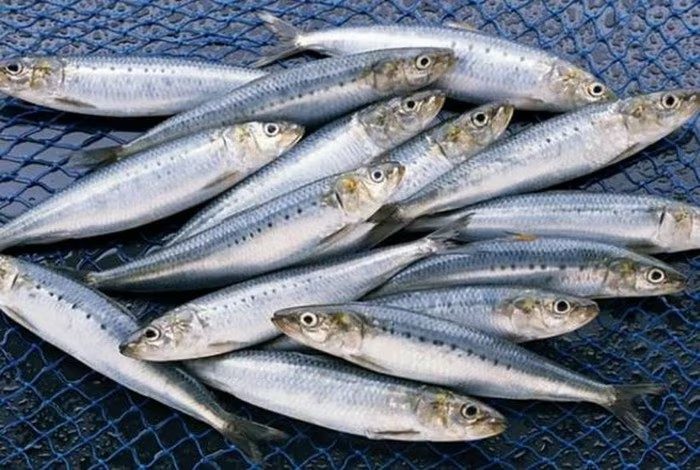
Why are sardines likened to a natural storehouse of nutrition?
In the rich cuisine of the Vietnamese people, sardines are a familiar food, closely associated with the rustic meals of many coastal and delta rural areas.
Although neither elaborate nor expensive, sardines are highly evaluated by nutrition experts for their health value. Thanks to a diverse, balanced, and easily absorbed nutrient content, sardines are likened to a natural “storehouse of nutrition,” suitable for all ages.
A source of high-quality, easily digestible protein
First and foremost, sardines are an abundant and high-quality source of protein. Protein in sardines contains all the essential amino acids that the body cannot synthesize on its own, playing an important role in building muscle tissue, regenerating cells, and maintaining vital functions.
Compared to red meat, protein from sardines is easier to digest and puts less strain on the digestive system, making it especially suitable for the elderly, children, and people in recovery.
Rich in omega-3, good for the cardiovascular system and brain
One of the key reasons sardines are classified as a “golden” food for health is their high omega-3 fatty acid content, prominently EPA and DHA. These unsaturated fats have cardiovascular-protecting effects, helping to reduce bad cholesterol and lower the risk of atherosclerosis, high blood pressure, and stroke.
Many studies show that regularly eating fish rich in omega-3 significantly reduces the risk of cardiovascular diseases—the leading cause of death today.
Not only that, DHA also plays an important role in the structure and function of the brain. Adding sardines helps improve memory, enhance concentration, and support brain and vision development in young children.
A valuable natural source of vitamin D
Sardines are one of the few natural foods containing a significant amount of vitamin D. Vitamin D helps the body absorb calcium effectively, contributing to building strong bones and teeth. While many people have little exposure to sunlight and vitamin D deficiency is becoming a common issue, sardines are considered a safe and convenient supplementary solution.
Rich in calcium and phosphorus, preventing osteoporosis
A major plus of sardines is that their bones can be eaten whole when properly prepared, especially in slow-braised sardine dishes or canned sardines. As a result, sardines provide an abundant amount of calcium and phosphorus—two essential minerals for the development and maintenance of the skeletal system. For the elderly, postmenopausal women, or those at risk of osteoporosis, sardines are an effective and economical nutritional choice.
Abundant in B vitamins, boosting energy metabolism
Sardines contain many B vitamins such as B12, B6, niacin, and riboflavin. These vitamins participate directly in the energy metabolism process, helping the body function efficiently and reducing fatigue and stress. In particular, vitamin B12 plays an important role in red blood cell production and maintaining nervous system function, helping to prevent anemia and memory decline.
Providing essential trace minerals
Not only rich in vitamins and protein, sardines also contain many important trace minerals such as iron, zinc, magnesium, and selenium. Iron helps prevent anemia, zinc strengthens the immune system and supports wound healing, while selenium is a powerful antioxidant that helps protect cells from free radical damage, contributing to slowing down the aging process.
Low mercury content, safe for diverse groups
Compared to large fish such as tuna or swordfish, sardines are small in size and have a short lifespan, so they accumulate fewer heavy metals, especially mercury. This is an important factor that makes sardines a safe food for pregnant women, children, and those who need to strictly monitor their nutritional quality.
A rustic food, easy to prepare
Besides their nutritional value, sardines are also favored for their versatility in preparation. From braised, fried, and grilled sardines to canned sardines, each dish carries its own unique flavor while retaining most of its nutrients. Affordable prices also allow sardines to easily appear in the daily meals of many families.
A small storehouse of nutrition, yet of great value
With high protein content, rich in omega-3, vitamin D, calcium, B vitamins, and essential minerals, sardines truly deserve to be likened to a natural “storehouse of nutrition.” Adding sardines to the weekly menu not only enriches meals but also contributes to protecting and improving community health, especially in the context of growing interest in healthy, sustainable diets./