
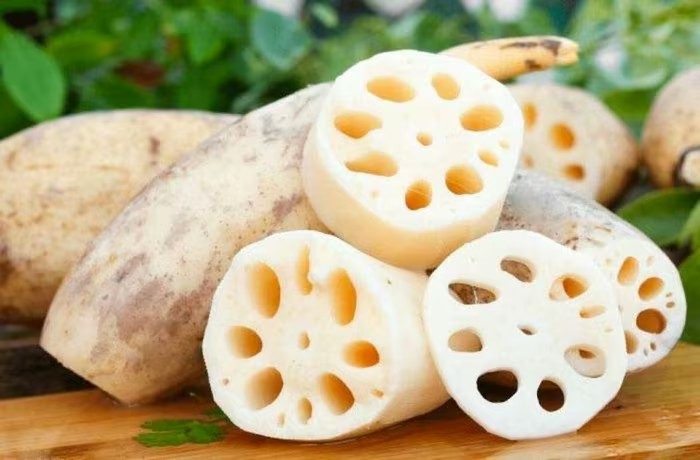
Why is lotus root considered "golden food" for the body?
One of the outstanding benefits of lotus root is supporting blood circulation and enhancing oxygen delivery to organs throughout the bodyHealth benefits of lotus root
Promotes blood circulation
One of the outstanding benefits of lotus root is supporting blood circulation and enhancing oxygen delivery to organs throughout the body. The iron and copper content in lotus root contributes to promoting red blood cell production, helping reduce the risk of anemia, thereby helping the body become healthier and more energetic.
Stabilizes blood pressure, protects cardiovascular health
Lotus root contains an abundant amount of potassium, which helps balance electrolytes and limits the negative impacts of sodium in the blood. Potassium acts as a natural vasodilator, helping blood vessels relax, increasing blood flow, and reducing pressure on the heart. As a result, blood pressure is better controlled, while simultaneously reducing the risk of cardiovascular diseases.
Supports digestion, relieves constipation
The high fiber content in lotus root helps increase stool bulk, stimulates intestinal motility, and supports smooth digestion. Consequently, lotus root works to improve constipation, helping the body absorb nutrients better and strengthening intestinal function.
Antioxidant properties, boosts immunity
In 100g of lotus root, it can provide up to more than 70% of the body's daily vitamin C requirement. Vitamin C is a powerful antioxidant that helps neutralize free radicals, protects cells from damage, and actively participates in collagen production to maintain healthy skin, blood vessels, and connective tissues. In addition, vitamin C contributes to enhancing resistance and reducing the risk of cardiovascular diseases and cancer.
Reduces the risk of heart disease
Not only rich in potassium, lotus root also contains dietary fiber and vitamin B6 (pyridoxine) which help control blood levels of cholesterol and homocysteine—factors associated with the risk of heart attacks and strokes. Therefore, appropriately supplementing lotus root can contribute to protecting long-term cardiovascular health.
Supports weight control
Lotus root is low in calories yet rich in fiber and essential nutrients, creating a long-lasting feeling of fullness and curbing cravings. This is a suitable food for individuals in the process of controlling weight or preventing obesity.
Positive impact on the brain and mental well-being
Vitamin B6 in lotus root plays an important role in the functioning of the nervous system. This active substance helps regulate mood, reduce stress, curb headaches, and support maintaining a stable mental state. Thanks to this, lotus root is considered a beneficial food for brain development and function.
Supports the treatment of respiratory issues
According to several studies and folk experience, lotus root has the effect of clearing the respiratory tract, relieving coughs, and revitalizing the lungs. Lotus root tea or lotus root smoothies are used to help improve symptoms of coughs, asthma, and certain chronic respiratory conditions.
Relieves stomach pain, stops bleeding
Lotus root, especially when combined with ginger, is believed to support the treatment of enteritis and reduce stomach pain. In cases of mild gastrointestinal bleeding, lotus root smoothies can help stop bleeding and limit internal bleeding in the intestinal tract.
Some other benefits
In addition to the above effects, lotus root is also noted for its ability to:
Support liver detoxification; Reduce inflammation; Support lowering blood sugar; Contribute to treating bleeding disorders
Experts recommend that in order to maximize benefits, lotus root should be used properly, combined with a scientific diet and a healthy lifestyle.