
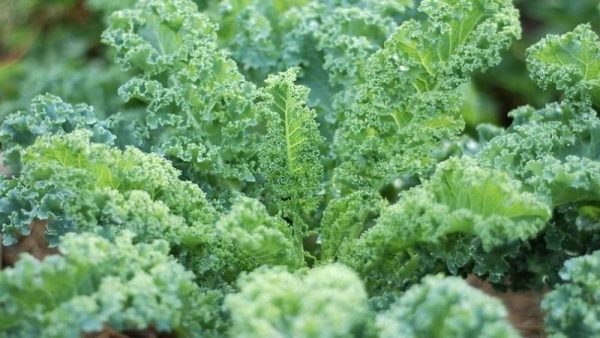
Why is kale dubbed the "king of vegetables"?
When used properly, kale brings many significant benefits to the body
Outstanding health benefits of kale
Providing energy for the body: Kale contains many essential nutrients, helping to meet energy needs for daily activities. Adding this vegetable to the diet helps the body maintain a healthy and resilient state.
Good for cardiovascular health: Many studies show that kale contains compounds capable of binding bile acids, thereby reducing bad cholesterol levels in the blood. In addition, the content of omega-3 along with vitamins C and K in the vegetable contributes to protecting the cardiovascular system and effectively supporting blood circulation.
Supporting weight loss: With low calories, rich in fiber, and containing plant protein, kale is an ideal choice for people who want to manage their weight. Thanks to its balanced nutritional composition, long-term use of kale still ensures the body does not suffer from nutrient deficiencies.
Supporting cancer prevention: Kale contains glucosinolates - compounds capable of inhibiting the growth of cancer cells and slowing down the tumor formation process. This is one of the reasons this vegetable is encouraged for regular use in a healthy diet.
Beautifying the skin, nourishing the hair: The abundant vitamin C content in kale helps promote collagen synthesis, thereby supporting firm, bright skin and strong hair.
Helping bones stay strong: Kale is a rich source of calcium and vitamin K - two important nutrients for the skeletal and joint system. In addition, the amount of potassium in the vegetable also contributes to limiting the risk of osteoporosis.
Good for the brain: Omega-3 found in kale helps support brain function, reduce nervous tension, and contribute to improving memory.
Improving eyesight: Few people know that kale is very rich in lutein and zeaxanthin - two nutrients that play an important role in protecting the eyes, preventing macular degeneration and vision decline. The content of these two substances in kale is considered higher than that of many other green leafy vegetables.
Good for pregnant women: During pregnancy, an expectant mother's body needs supplements of vitamin K, iron, and folic acid to ensure blood circulation and support the development of the fetus. Kale is a vegetable that meets these nutritional needs well, helping to protect the health of both mother and baby.
In addition, kale also works to support digestion and contribute to preventing certain thyroid conditions such as goiter.
Notes when using kale
Despite bringing many benefits, consumers also need to note some points when using kale:
It should not be used by people with blood clotting disorders because the high vitamin K content can affect the blood clotting process; People with kidney stones or thyroid-related conditions should limit use or consult a doctor before using.
Pregnant women should not eat too much and need to consume it in reasonable amounts according to expert advice; Avoid cooking at high temperatures for a long time so as not to lose nutrients.
Priority should be given to using young leaves, as mature leaves are often tough and bitter; Vegetables must be thoroughly washed before use and purchased from safe, guaranteed sources; Kale can be combined with healthy foods such as olive oil, avocado, and almonds to increase nutrient absorption.
Some dishes made from kale
Kale can be prepared into many diverse, easy-to-make dishes: Kale juice, helping purify the body, beautify the skin, and support sleep; Kale salad combined with avocado, tomato, cucumber, with a drizzle of olive oil to enhance flavor; Quick stir-fried kale, under 5 minutes to retain crunchiness and nutrition; Steamed kale; Crispy baked kale snacks, suitable as a healthy snack.
With its high nutritional value and versatile preparation methods, kale deserves to be regularly present in every family's meals.