
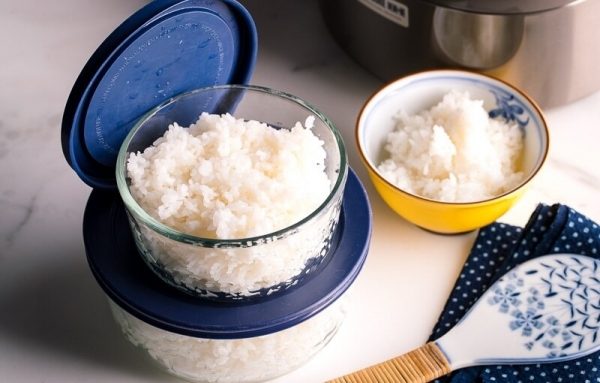
Why are the Japanese still very healthy despite often eating overnight cold rice?
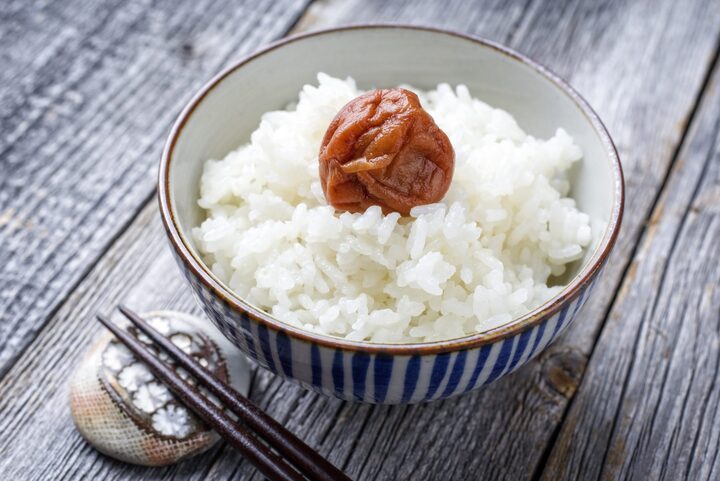
For the Japanese, cold rice is an indispensable part of daily life.
In Vietnamese culinary culture, piping hot rice eaten straight from the pot is always the gold standard for every family meal; whereas cold rice is considered leftovers, eaten only to avoid waste and thought not to be as good as hot rice. Conversely, in Japan, images of Bento lunchboxes prepared early in the morning to be eaten at noon, or a bowl of cold rice kept overnight in the refrigerator taken out and eaten directly the next morning, are extremely common.
Many people ask: Why does a country as strict about health and food safety and hygiene as Japan favor cold rice? In reality, this is not just a habit of frugality, but also a refined wellness method based on both scientific principles and long-standing cultural traditions.
It should be clarified that the Japanese eat cold rice that has been properly preserved to maintain its stickiness and nutrients. Instead of eating steaming hot rice, they embrace eating rice kept in the refrigerator overnight. This habit brings surprising energy metabolism benefits that not everyone knows about, even helping the Japanese stay healthy and live long lives.
Resistant starch in cold rice
When rice is allowed to cool, especially overnight in the refrigerator compartment, a portion of regular starch converts into resistant starch. Unlike starch in hot rice, resistant starch is not digested in the small intestine but passes directly to the large intestine, acting like a type of soluble fiber.
Consuming resistant starch helps slow down the absorption of sugar into the bloodstream, thereby keeping blood sugar levels stable. This is especially beneficial for preventing diabetes and reducing excess fat accumulation. For the Japanese, who place great value on a slender physique and longevity, eating cold rice is a natural way to effectively manage calories while still ensuring a long-lasting feeling of fullness.
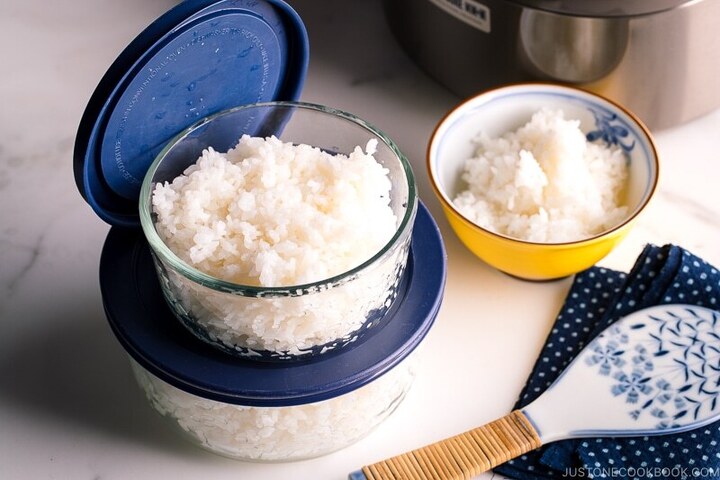
Cold rice acts like soluble fiber, preventing fat accumulation. (Photo: Justone)
Original flavor
The Japanese are extremely strict when selecting rice. Japanese rice varieties usually have very high stickiness and natural sweetness. When rice is reheated in a microwave or repeatedly steamed, the grains easily break down, losing their elasticity and distinctive aroma. Eating cold rice helps consumers distinctly appreciate the firmness and chewy texture of each grain of rice.
In the art of making sushi or onigiri rice balls, rice is usually allowed to cool to a certain temperature before preparation. In this state, the rice grains retain an appealing shape, do not become overly sticky, and preserve a more delicate sweetness than when piping hot.
Bento culture
Bento culture (boxed lunches) is an indispensable part of Japanese life, from students to office workers. Due to the nature of work and school environments, a microwave is not always available to reheat food.
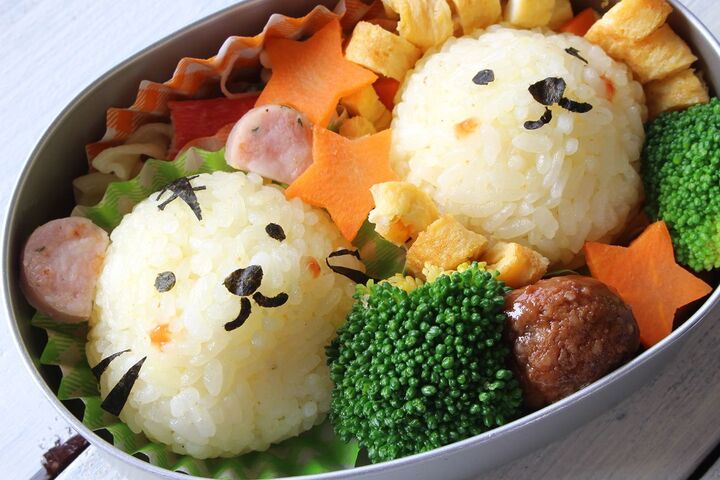
Bento is cutely styled and fully nutritious. (Photo: Taste of Japan)
Over time, people in the land of cherry blossoms adapted and developed a preference for rice at room temperature. Furthermore, the Japanese believe that opening a lunchbox that gives off a strong food smell in an enclosed space such as an office or a classroom is impolite and bothersome to those around them.
Cold rice and accompanying dishes served cold not only help preserve food longer (avoiding trapped steam that leads to quick spoilage) but also reduce the spread of odors, demonstrating refinement in communal interactions.
Cleansing the intestinal tract
Resistant starch in cold rice acts like a "broom" sweeping away waste materials in the intestinal tract. When resistant starch ferments in the large intestine, it produces short-chain fatty acids that help nourish beneficial bacteria and strengthen the immune system.
A smoothly functioning digestive system also significantly reduces the detoxification burden on the liver. The Japanese believe that eating cold rice in moderation makes the body feel lighter, reduces bloating, and supports the natural detoxification process. This is why, despite eating cold rice, they maintain healthy skin and a sharp mind.
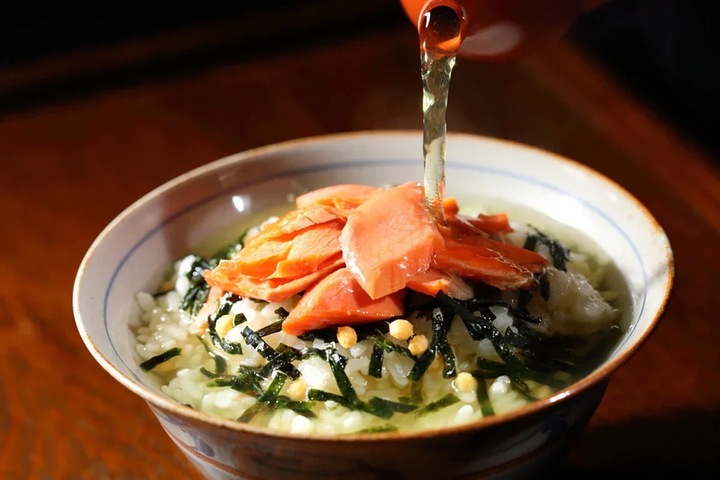
The combination of cold rice and tea helps purify the intestinal tract. (Photo: WasabiCO)
Strict preservation process
To be able to eat cold rice without health concerns, the Japanese apply an extremely scientific preservation process. After being cooked, rice is divided into portions to be eaten immediately and portions to be cooled quickly and then immediately placed in airtight containers and stored in the refrigerator.
This prevents the growth of Bacillus cereus bacteria—a type of bacteria that commonly causes food poisoning in rice left at room temperature for too long. The combination of high-quality refrigerators and hygiene awareness ensures that cold rice in Japan is always safe.
The Japanese eating cold rice is neither a coincidence nor a sign of deprivation. It is the result of an intersection of scientific understanding of nutrition, respect for food ingredients, and wonderful adaptation to the pace of modern life.
Through a bowl of cold rice, the Japanese find nutritional balance and health benefits in the most ordinary things of daily life.