
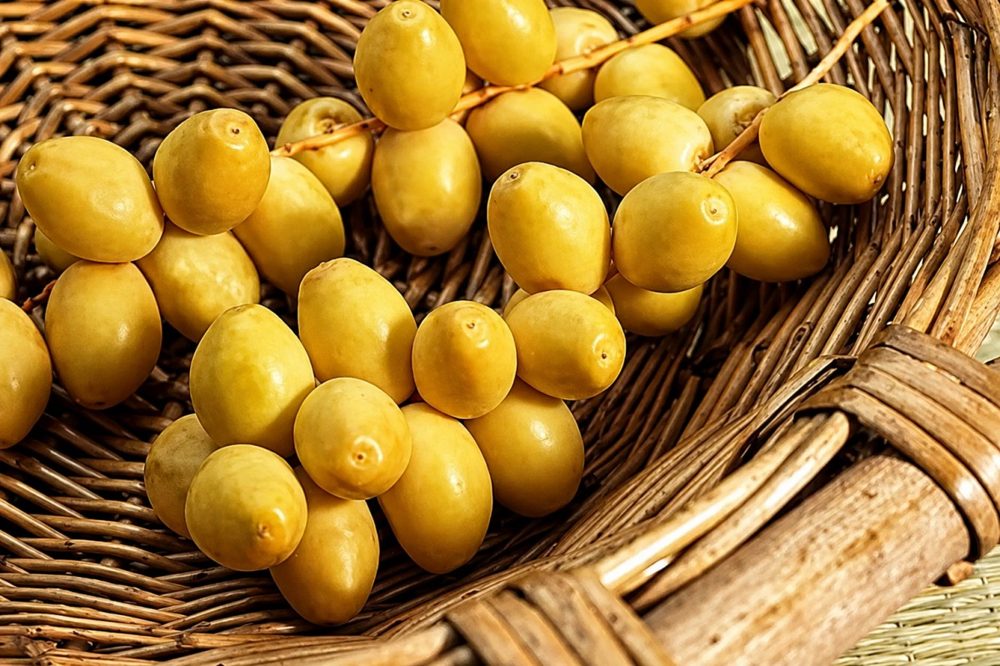
Who should eat dates and what is the recommended amount?
Dates can be consumed as fresh fruit or dried dates. This fruit provides carbohydrates, fiber, potassium, magnesium, along with several antioxidant compounds.
However, dates are also high in sugar and energy, especially when dried. Therefore, when eating dates, it is important to pay attention to portion sizes rather than consuming them excessively.
Physically active people
Dates contain carbohydrates and natural sugars, which can provide a quick energy boost. Athletes, walkers, runners, or those with high-energy jobs can have a few dates as a snack.
Dates can be combined with unsweetened yogurt, milk, or a small amount of nuts to add extra protein and healthy fats.
People with a low-fiber diet
Dates provide fiber, contributing to digestive health and promoting a feeling of fullness. People with diets low in green vegetables, fruits, or whole grains can supplement with a moderate amount of dates.
However, dates cannot completely replace vegetables, fruits, legumes, and whole grains in a daily diet.
People looking to supplement potassium and magnesium
The potassium and magnesium in dates are essential minerals for muscle function, the nervous system, and many other bodily functions.
Nevertheless, these minerals should be supplemented from various food sources such as green vegetables, fruits, legumes, seeds, and milk instead of relying solely on dates.
People wanting to reduce sweets and candy
Due to their natural sweetness, dates can be used to partially replace candy or high-sugar desserts. Dates can be eaten directly or combined with oats, yogurt, and nuts.
However, "natural sugar" still provides energy. Dried dates often have a much higher sugar and calorie density than many fresh fruits because their water content has been significantly reduced.
How to eat dates without consuming too much sugar?
Healthy individuals can eat dates in moderate amounts, fitting within their total daily energy and carbohydrate intake.
People managing weight or blood sugar levels need to count dates toward their total intake and should not view them as a food that can be eaten without limit.
People with kidney disease or those advised by a doctor to limit potassium should also consult professional advice before consuming dates regularly.
Overall, dates are a convenient, energy-rich snack with several nutrients. The key remains eating them in reasonable amounts and maintaining a diverse, balanced diet.