

People who should not eat guava
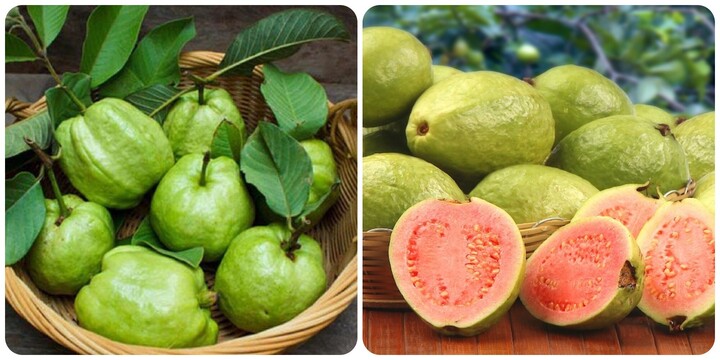
Guava is delicious and good for health, but not everyone can eat it
Guava has long been known as a fruit rich in vitamin C, fiber, and many nutrients beneficial to the body. However, eating guava is not beneficial for everyone. Certain compounds in guava can adversely affect the health of people with specific medical conditions or disorders.
Below are the people who should not eat guava:
People prone to bloating
Sức khỏe & Đời sống newspaper cited Pharmacist Thu Hoài as saying that guava contains high levels of fructose (a natural sugar) and vitamin C. Both can lead to gas and bloating in sensitive people. When the body consumes more vitamin C than it can absorb, the excess can ferment in the intestines, producing gas and causing discomfort.
Fructose malabsorption is also a condition where the small intestine has difficulty absorbing fructose effectively. In this case, eating guava can cause abdominal distension, bloating, or a feeling of fullness.
- Mechanism: Excess vitamin C and fructose in the intestines ferment due to gut bacteria, thereby producing gas and bloating.
- Recommendation: Avoid eating guava right before bedtime because lying down can worsen bloating. Eating guava with meals or dividing it into smaller portions can help reduce discomfort.
People with stomach conditions
Lao Động newspaper cited the Vietnam Food Administration, Ministry of Health as saying that although guava is beneficial for the stomach, people with stomach pain should only consume it in moderation. Hard guava that is difficult to crush forces the stomach to work harder, which can aggravate the pain. In particular, you should never eat guava or drink guava juice on an empty stomach.
People with diabetes
Ripe guava has a fairly high glycemic index (GI), up to 78. If diabetic patients consume it regularly, blood sugar can increase sharply. Therefore, this group should limit eating guava or drinking guava juice daily.
People experiencing a toothache
Guava is hard and contains many seeds, which can cause more pain and aching for people experiencing a toothache. Therefore, they should avoid this fruit, especially ripe guava.
People with eczema or sensitive skin
Guava and guava leaves contain bioactive compounds that can irritate sensitive skin. Some guava extracts are beneficial to overall health, but may worsen eczema or chronic skin conditions, causing redness, itching, or inflammation.
- Mechanism: Bioactive compounds trigger an immune response in the skin, causing inflammation or irritation.
- Recommendation: People with eczema or sensitive skin should avoid using guava leaves. Consult a dermatologist before using guava topically or consuming it.