
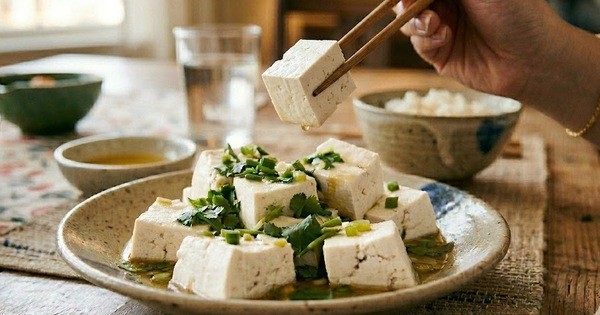
Groups that benefit most from adding tofu to their diet
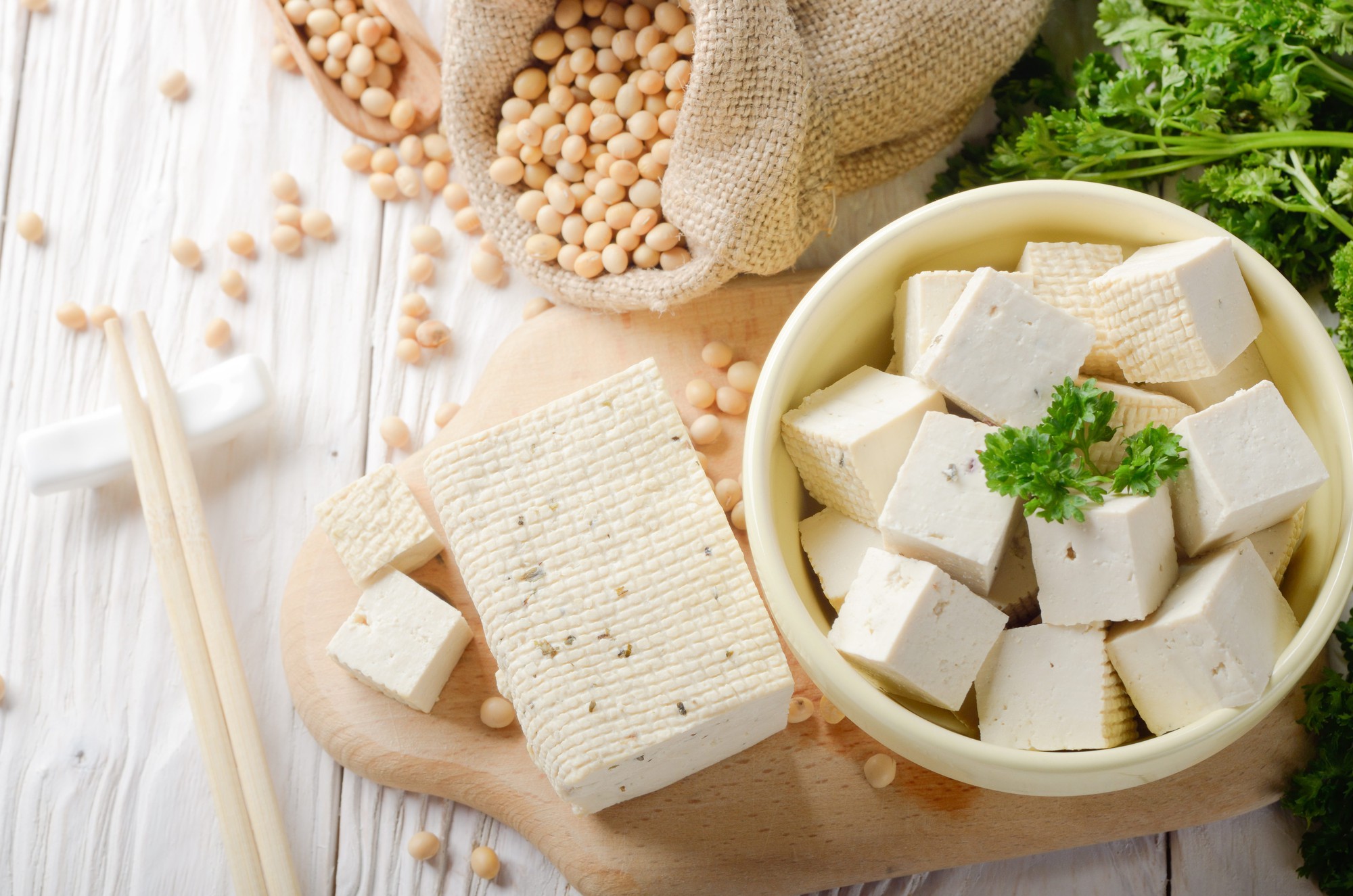
Tofu provides a high-quality protein source for vegetarians.
Tofu is good for vegetarians and vegans
For those following a vegetarian diet, especially a vegan one (consuming only plant-based foods), the risk of nutritional deficiencies is very high if the menu is not diverse. They are very prone to deficiencies in protein, calcium, iron, zinc, and B vitamins.
Soybeans are one of the few legumes containing high-quality protein comparable to animal meat. In addition to providing plant protein, tofu is also rich in calcium, magnesium, phosphorus, iron, zinc, manganese, and copper.
Incorporating tofu into the diet effectively helps vegetarians make up for deficient protein and micronutrients to maintain energy and lean muscle.
Women during menopause
Entering menopause, declining ovarian function causes a sharp drop in estrogen levels in the body, triggering a series of uncomfortable symptoms such as hot flashes, night sweats, mood swings, and a high risk of osteoporosis and bone mass loss.
Tofu contains isoflavones—a plant compound that acts like phytoestrogen (plant estrogen) capable of binding to estrogen receptors in the body. Several studies on people who consume a lot of soy-based foods, especially Asians, show that eating soy can help alleviate menopausal symptoms and osteoporosis.
Recent research reviews show that, although not truly replacing estrogen, soy isoflavones can exert mild estrogen-like effects in certain tissues affected by menopause, especially vaginal and urinary tract tissues, helping reduce vaginal dryness in menopausal women.
People with diabetes
Tofu is an ideal food choice for people with diabetes due to its abundant protein content combined with dietary fiber, which slows down the absorption of sugar into the bloodstream, thereby stabilizing blood sugar levels after meals.
Research has found an association between an isoflavone-rich diet and a reduced risk of type 2 diabetes. This may be attributed to the isoflavones found in soybeans.
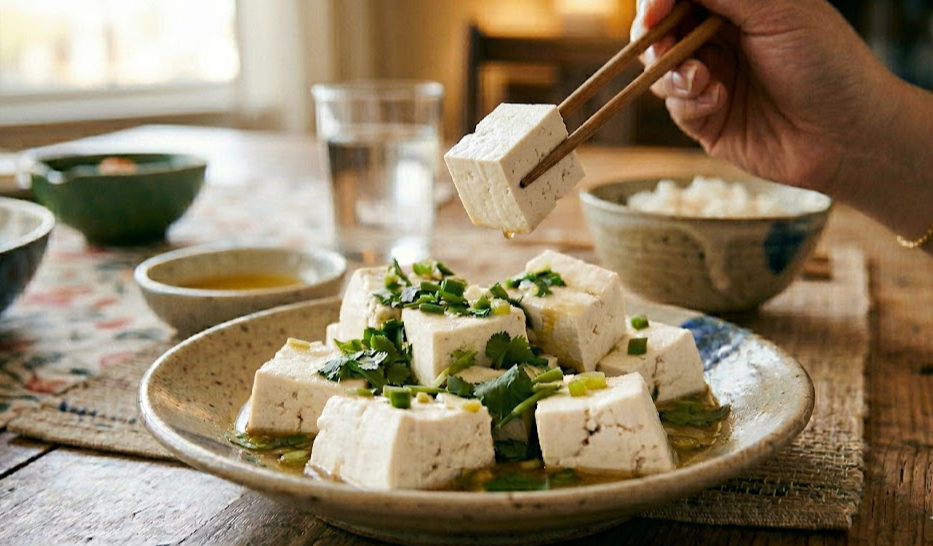
Eating tofu helps lower bad cholesterol.
People at risk of cardiovascular disease
A diet with a higher ratio of plant protein to animal protein has been proven to help lower the risk of cardiovascular disease.
An outstanding advantage of the plant protein in tofu compared to animal protein is that it contains no cholesterol and has very low saturated fat content. In addition, isoflavones in soybeans can inhibit the formation of plaque on arterial walls, preventing atherosclerosis.
Eating tofu helps reduce bad cholesterol (LDL) and triglycerides while tending to increase good cholesterol (HDL). Elevated bad cholesterol and triglycerides are major culprits causing atherosclerosis, hypertension, and stroke.
Researchers from the University of Illinois Urbana-Champaign (USA) studied different soybean varieties to understand why they can lower bad cholesterol (LDL). They discovered that two proteins found in soybeans, glycinin and B-conglycinin, contribute to reducing cholesterol.