
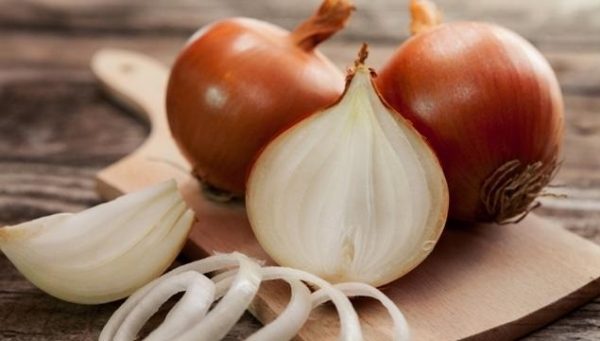
What happens when you regularly eat onions?
Onions belong to the Allium genus, a flowering plant group that includes garlic, chives, scallions, and shallots. Beyond being widely used in many dishes with diverse preparation methods, onions are also rich in vitamins, minerals, and plant compounds beneficial to health.
Nutrition
Onions are low in calories but very rich in vitamins, fiber, and minerals.
One medium onion (110 g) contains:
- Calo: 44
- Protein: 1,2 g
- Carbohydrate: 10,3 g
- Sugar: 4.66 g
- Fiber: 1.87 g
- Fat: 0.1 g
- Kali: 161 mg
- Vitamin C: 8,14 mg
Onions are rich in vitamin C, which can enhance immune function, collagen production, and iron absorption. B vitamins, including B9 (folate) and vitamin B6, also play vital roles in metabolism, red blood cell production, and nervous system function.
Health benefits
Improving cardiovascular health
Eating onions regularly also supports heart health thanks to anti-inflammatory and antioxidant properties that help lower blood pressure. Quercetin helps reduce triglycerides, manage cholesterol levels, reduce dyslipidemia, and prevent cardiovascular disease, myocardial infarction, and stroke.
Packed with antioxidants
Onions are an abundant source of antioxidants, containing at least 17 types of flavonoids, notably anthocyanins. Consuming many foods rich in anthocyanins is linked to a lower risk of heart disease and heart disease-related mortality.
Rich in anticancer compounds
Anthocyanins in onions can offer anticancer properties. Fisetin and quercetin in this food are also flavonoid antioxidants that may inhibit tumor growth.
Controlling blood sugar
Quercetin also acts to lower blood sugar, liver glucose concentrations, enzyme levels, and serum cholesterol...
Enhancing bone density
Onions contain many antioxidant compounds, especially flavonoids like quercetin, which help reduce oxidative stress in the body. Consequently, onions can slow bone loss and support the maintenance and improvement of bone density.
Antibacterial properties
Onions contain bioactive compounds such as quercetin and sulfur compounds, which possess antibacterial properties. Studies show that onions can inhibit the growth of certain bacteria, including E. coli, Pseudomonas aeruginosa, Staphylococcus aureus, Bacillus cereus, and Helicobacter pylori. However, this effect is supportive and does not substitute for medical treatment.
Supporting digestive health
This is an abundant source of prebiotics, essential for optimal gut health. Prebiotics are non-digestible types of fiber that are broken down by beneficial gut bacteria. Gut bacteria consume prebiotics and produce short-chain fatty acids, which can benefit intestinal health. These benefits include enhancing gut health and immunity, boosting digestion, and reducing inflammation.
Preparation methods
Onions are a delicious, versatile food that can be cooked, fried, or eaten raw... Some popular, appetizing onion dishes include stir-fries (paired with beef, squid, pork, or offal), salads, grilled dishes...