
Weight Loss Mistakes That Cause Skin to Lose Elasticity
Why Does Incorrect Weight Loss Cause Skin to Age Faster?
When losing weight, the body burns stored fat for energy. However, if calories are cut excessively or weight is lost too quickly, the skin is often one of the organs most visibly affected.
Loss of the supportive subcutaneous fat layer: The subcutaneous fat layer acts as a "cushion" that keeps the skin taut and plump. When fat volume drops rapidly in a short period, the skin cannot adapt in time to the change in body volume, making it prone to sagging, especially on the face, arms, abdomen, and thighs. The risk of sagging is even more pronounced in those who lose weight quickly or have been overweight for a long time.
Rapid weight loss will cause the skin to become wrinkled and saggy...
Deficiency of essential nutrients for the skin: Many extreme diets leave the body deficient in protein, vitamins, and healthy fats. These are all vital nutrients for the body to synthesize collagen and elastin—two components that help maintain skin elasticity and firmness. If prolonged, such deficiencies can cause the skin to become dry, prone to fine lines, and slower to recover.
Dehydration makes skin dull and less elastic: During the initial phase of weight loss, the body often loses a significant amount of water. Without adequate water replenishment, the skin easily becomes dry, lifeless, and prone to fine lines.
Ngoài ra, Lack of sufficient sleep or prolonged stress while dieting can also increase cortisol levels, negatively affecting the skin's collagen structure.
A Diet for Losing Weight While Keeping Skin Firm
A healthy weight loss diet should not focus solely on calorie reduction; it must ensure the body is provided with all necessary nutrients.
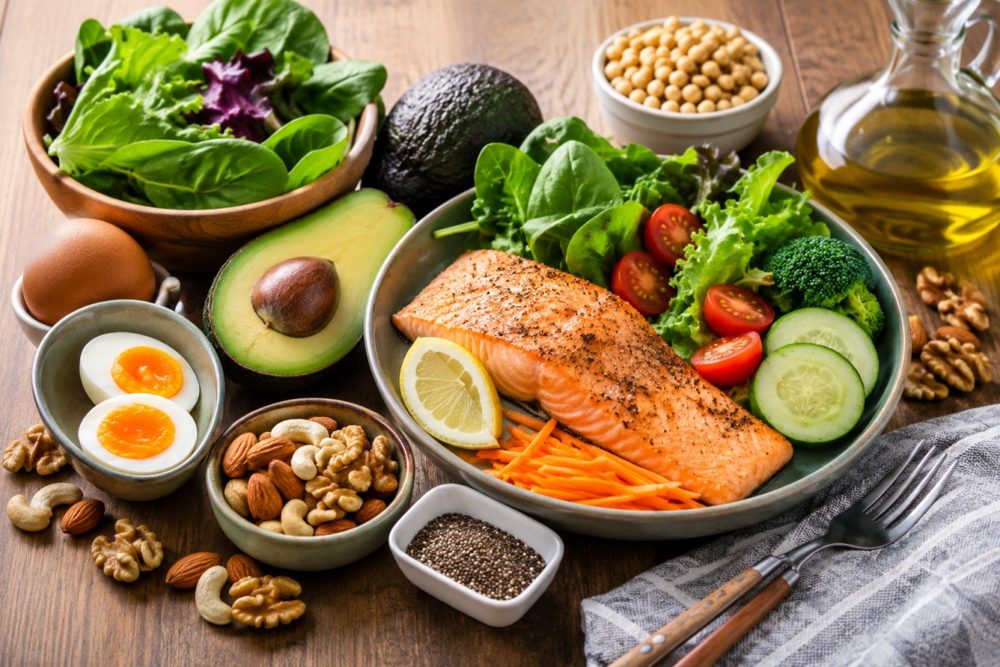
Prioritize high-quality protein: Protein helps preserve muscle mass during weight loss while providing raw materials for the body to produce collagen. Good protein sources that should be included in every meal include: Eggs, Fish, Chicken breast, Greek yogurt, Beans, and various nuts and seeds...
Among them, eggs contain complete protein along with many amino acids essential for cell regeneration. Fatty fish such as salmon and mackerel also provide omega-3s, which help support skin moisture and elasticity.
Boost antioxidant-rich foods: Antioxidants help protect skin cells from free radical damage—a factor that can accelerate the aging process. Foods to include are: Pomegranates, Strawberries, Oranges, tangerines, Broccoli, Spinach, Tomatoes...
Vitamin C in vegetables and fruits supports collagen synthesis, while vitamin E helps protect skin cell membranes against oxidative stress.
Do not cut fats excessively: Many people trying to lose weight completely eliminate fat from their diet. However, healthy fats are essential for hormones and the skin barrier; priority should be given to good fats from: Avocados, Olive oil, Fatty fish, Almonds, Walnuts...
Drink enough water: Water plays a crucial role in maintaining skin moisture and elasticity. In addition to plain water, you can supplement with water-rich vegetables and fruits such as watermelon, cucumber, or oranges.
Habits to Minimize Sagging Skin During Weight Loss
Lose weight gradually, without rushing: Experts generally recommend losing only about 0.5–1 kg per week. This is an appropriate pace for the body to adapt gradually, helping to limit muscle loss and loose skin.
Incorporate strength training: Resistance exercises or light weight training help maintain and develop muscle mass during fat loss. As muscles become firmer, the skin is also better supported, thereby minimizing sagging. You can choose to combine suitable exercises such as: Squats, Planks, Light weight training, Pilates, Yoga, Massage, and skin care.
Gentle massage helps increase blood circulation and supports better skin elasticity. In addition, maintain a moisturizing routine to limit dryness during weight loss.
Get enough sleep: Sleep is the time when the body regenerates cells and restores collagen. Getting 7–8 hours of sleep each night helps support hormone regulation, reduces stress, and improves skin health.
Protect skin from sunlight: UV rays can accelerate collagen breakdown, making the skin more susceptible to sagging and aging. Therefore, be sure to use sunscreen and cover your skin carefully when going outside.