
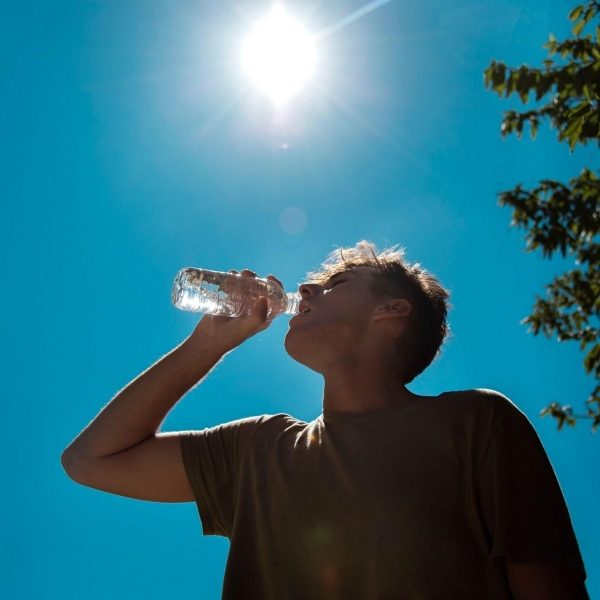
Hydration mistakes that cause summer dehydration
You should maintain a habit of drinking water to prevent dehydration during hot days.
The body needs sufficient water to carry out the hydration process—that is, adding water molecules to organic compounds. When you drink enough water, these hydration reactions occur more smoothly, helping to replenish fluids for internal organs in a timely manner.
To protect your health during hot summer days, everyone needs to build and maintain a proper water-drinking habit.
How to provide enough water for the body every day
Quite a few people still keep the habit of only drinking water when they feel thirsty. However, experts advise people to drink water before the body sends thirst signals. Because once you start feeling thirsty, it means your body has already been lacking water for quite some time.
According to Dr. Truong Hong Son, MD, PhD - Director of the Vietnam Institute of Applied Medicine, to ensure the body does not become dehydrated, we should drink water before feeling thirsty, because if the body feels thirsty, at that point, the body is already dehydrated. Therefore, you must always maintain a habit of drinking water regularly.
For hydration to be most effective, you should apply the following 3 important principles:
-
Take small sips spread throughout the day: Sipping water steadily throughout the day is the best way for cells to absorb water gradually.
-
Optimal water amount when rapid replenishment is needed: For cases of exercise or intense physical activity causing heavy sweating, the optimal recommended amount of water to drink at one time is 400 ml. This amount of water helps the hydration process occur quickly without overloading the circulatory system.
-
Prioritize warm water or room-temperature water: In hot weather, cold drinks are often the top choice for many people. However, warm water or room-temperature water is what is truly good for the body.
Drinking water that is too cold will cause the microvessels in the stomach and intestines to constrict, causing mucosal ischemia, reducing digestive function, and diminishing the antibacterial capacity of the intestinal tract. When drinking warm water, single water molecules easily penetrate cells to replenish lost fluid, helping quench thirst faster.
A few tips to maintain a water-drinking habit
The simplest way to ensure your body is not dehydrated is to always carry a water bottle with you anywhere and everywhere, making hydration convenient whether you are sitting at work or out on the street.
To avoid forgetting, tie drinking water to fixed times of the day to create a natural reflex:
-
Right after waking up in the morning: Drinking a glass of warm water right after waking up will help replace the fluid lost overnight, stimulate metabolism, cleanse the intestines, and bring a refreshing feeling for the new day.
-
Before main meals: Practice the habit of drinking a glass of water about 30 minutes before each meal to ensure you always take in at least 3 glasses of water every day. Water consumed before meals provides great support for digestion and helps the body eliminate toxins more easily.
-
Do not drink water continuously: Practice the habit of drinking water regularly throughout the day, a small amount each time (about 150 - 200 ml), instead of drinking a large volume all at once.
According to Dr. Truong Hong Son, MD, PhD, an average person needs to drink an amount of water equal to 40 ml/1 kg of body weight/day. For example, a person weighing about 60 kg needs to replenish 2 - 2.4 liters of water a day. However, some people with medical conditions will supplement water according to their doctor's instructions.
Certain conditions such as fever, diarrhea, and vomiting cause the body to lose water rapidly, requiring more frequent rehydration. You can also rehydrate your body through daily meals. For example, increasing green vegetables and fresh fruits will help the body replenish a very large amount of natural water.