
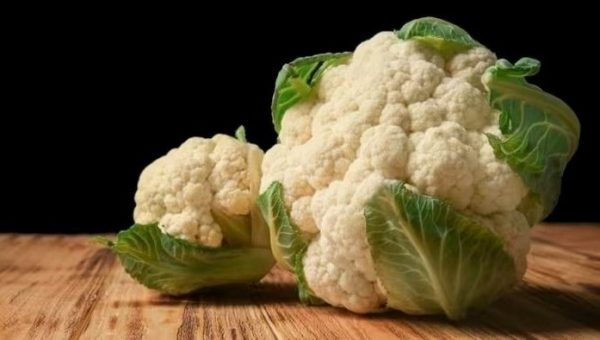
Cauliflower: A Familiar Vegetable with Surprising Benefits
Nutritional value of cauliflower
Cauliflower belongs to the brassica family; the part consumed as food consists of the undeveloped flower heads, which have a soft, spongy texture. It is a vegetable that can be grown year-round, is easy to cook, and pairs well with many different dishes.
Nutritionally, cauliflower contains no starch, is low in fat and calories, but is rich in dietary fiber. This vegetable provides a substantial amount of vitamin C, along with vitamin B6, magnesium, and many essential micronutrients. As a result, cauliflower is well-suited for dieters, those seeking to manage their weight, and people pursuing a healthy diet.
Notable health benefits of cauliflower
Supports cardiovascular health
Cauliflower contains sulforaphane—a sulfur-rich compound that enhances the body's antioxidant and anti-inflammatory defenses. This active substance helps improve vascular function, supports blood circulation, and contributes to reducing the risk of cardiovascular diseases.
Effective anti-inflammatory properties
The combination of fiber, vitamin C, and antioxidants gives cauliflower natural anti-inflammatory properties. Dietary fiber also plays a role in nourishing beneficial gut bacteria, thereby supporting digestion and reducing inflammation associated with various chronic diseases.
Good for the digestive system
The high fiber content in cauliflower promotes intestinal peristalsis and helps prevent constipation. In addition, this vegetable contains inulin—a prebiotic fiber that beneficial gut bacteria ferment to produce short-chain fatty acids, contributing to colon health protection.
Rich in antioxidants
Like other cruciferous vegetables, cauliflower provides a variety of antioxidant compounds, such as carotenoids, tocopherols, and ascorbic acid. These substances help neutralize free radicals, protect cells from damage, and slow down the aging process.
Supports weight management
Cauliflower helps create a long-lasting feeling of fullness, curb snacking habits, and reduce the desire for high-calorie foods. Consequently, it effectively aids weight loss and helps maintain body shape.
Contributes to cancer prevention
Numerous studies show that cauliflower contains compounds like sulforaphane and indole-3-carbinol (I3C), which possess the ability to inhibit the growth of cancer cells. These active components help protect cells from damage, support hormonal balance, and reduce the risk of certain cancers, such as breast and prostate cancer.
Important notes when consuming cauliflower
Although rich in nutrients, cauliflower should still be consumed properly to avoid unwanted effects.
Do not consume moldy or discolored cauliflower, as it can cause food poisoning.
It is recommended to wash the entire cauliflower head before cutting it up to remove pests and impurities more effectively.
Avoid overboiling cauliflower, as prolonged high heat will deplete vital vitamins and key antioxidant compounds.
Pregnant women should consume cauliflower in moderation, about 1–2 times per week.
People with stomach issues should limit eating raw cauliflower to prevent bloating and indigestion.
Individuals with gout should be cautious because cauliflower contains purines, which can worsen disease symptoms.