
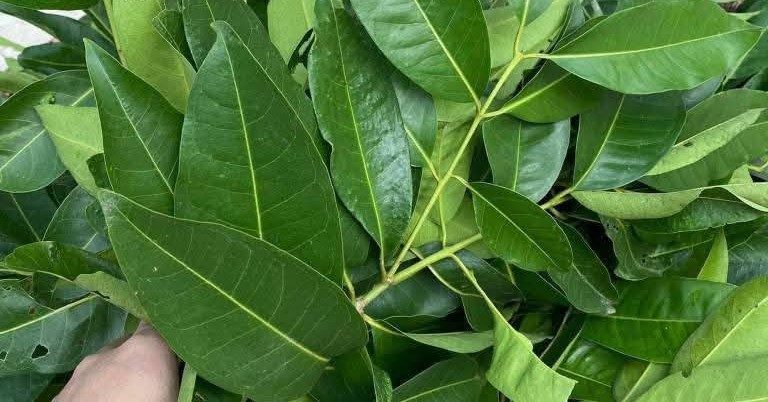
Two familiar leaves that help cool the body, stabilize blood sugar, and support healthy blood lipids
Voi leaves and lotus leaves are two familiar leaves in daily life, while also being considered folk remedies with numerous health benefits. If used correctly, these two leaves can support digestion, stabilize blood sugar, reduce blood lipids, and help cool the body during hot weather.
Voi leaves
According to traditional medicine, voi leaves are commonly used to support the treatment of several issues such as digestive disorders, high blood lipids, gout, and diabetes. Voi leaves contain many active compounds that stimulate the stomach to secrete digestive fluids and promote the metabolism of food, thereby reducing bloating, abdominal distension, indigestion, and constipation.
According to records by Prof. Dr. Do Tat Loi in Medicinal Plants and Herbs of Vietnam, the voi tree (scientific name Cleistocalyx operculatus) is a benign, non-toxic, and safe-to-use herb. Decoctions made from voi leaves and buds have a pleasant aroma and are commonly used as a cooling beverage in folk tradition thanks to their many health benefits, helping to relieve heat during hot days.
Voi leaves contain a high polyphenol content with antioxidant properties, while voi buds contain flavonoids that help manage blood sugar levels, lower blood lipids, and control blood pressure. In addition, beta-sitosterol along with vitamins and minerals in voi leaves also contribute to promoting cholesterol metabolism.
You can boil about 5 fresh voi leaves for 20 minutes. If using dried leaves, you can use about 6 leaves with 1.5 liters of water and boil for about 20 minutes to drink.
Lá sen
In traditional medicine, lotus leaves (lien diep) have a bitter taste and neutral properties, often used to clear heat, eliminate dampness, and support weight loss.
Modern studies show that lotus leaves contain alkaloids, flavonoids, and tannins capable of antioxidant activity, helping regulate lipid metabolism and limit fat absorption. This type of leaf helps lower blood pressure, reduce blood lipids, and prevent cardiovascular diseases.
A few small studies note that lotus leaves may help reduce triglycerides and improve fatty liver conditions, although clinical evidence remains limited.
In addition, lotus leaves have a diuretic effect, promoting the elimination of excess water from the body. The active compounds in the leaves stimulate the secretion of digestive juices and increase intestinal motility, thereby helping prevent constipation. On hot days, lotus leaves are also often used to clear heat and help alleviate heatstroke.
People often use 10–15g of dried lotus leaves to brew as tea or make a decoction to drink. However, you should not overuse lotus leaves over a prolonged period. Experts recommend using them on your own continuously for a maximum of only 7–10 days. If signs such as diarrhea, bloating, fatigue, or low blood pressure occur, stop use immediately.
Although teas brewed from these two leaves are beneficial, you should not use them as a total replacement for plain water every day. If you wish to use them long-term to support disease treatment, consult a doctor or traditional medicine practitioner.