
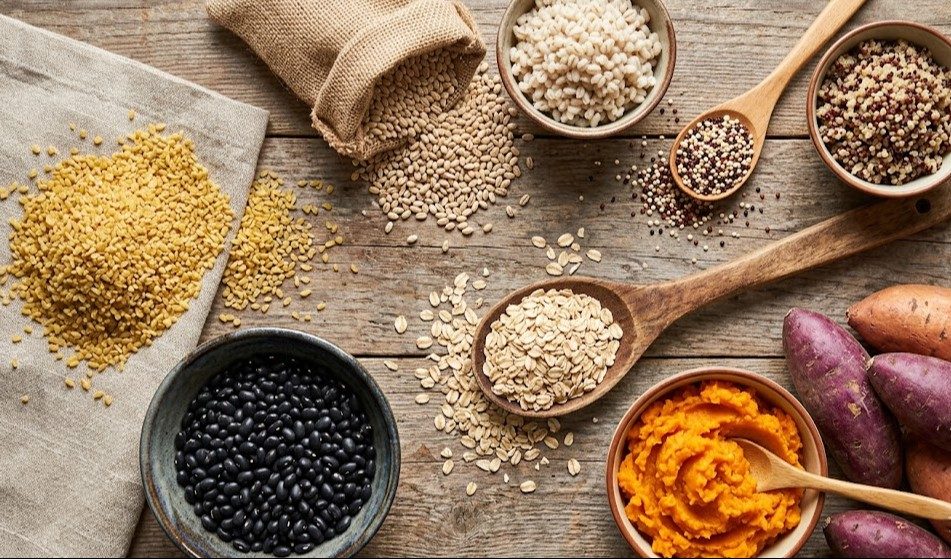
Not only brown rice, these are the top fiber "storehouses"
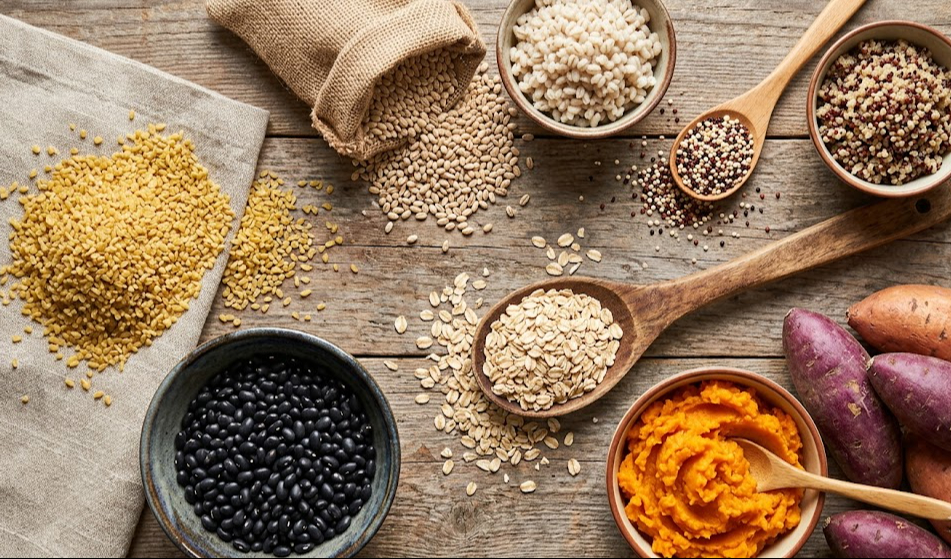
Many other foods possess a higher fiber content than brown rice.
The role of fiber in health
Fiber plays an important role in digestion, nutrient absorption, and overall gastrointestinal health. There are two main types of fiber commonly mentioned, each performing a distinct function:
Soluble fiber: Dissolves in water to form a gel, slowing down digestion, helping you stay full longer, and softening stool.
Insoluble fiber: Retains its structure as it passes through the intestinal tract, helping increase stool volume and promoting bowel movements.
A balance between these two types of fiber brings many benefits, such as: preventing constipation, stabilizing blood sugar, and reducing the risk of colon cancer and diverticulitis.
Among fiber-rich foods, brown rice is often considered a standard "benchmark." 1 cup (about 100 g) of uncooked medium-grain brown rice contains 3.4 g of fiber, meeting about 12% of the daily requirement (28 g) for an adult. However, the 6 foods below provide a far superior amount of fiber per serving.
1. Barley: rich in fiber and minerals
Fiber content: 31.8 g (about 114% of the daily requirement) per 1 cup.
This is a whole grain rich in vitamins A, B1, C, and E, along with active compounds such as GABA, saponarin, and polyphenols. Barley also contains essential minerals such as calcium, potassium, magnesium, and selenium.
The fiber in barley supports weight management, regulates blood sugar, improves sleep, and enhances cognitive function. For optimal absorption, barley should be consumed in minimally processed forms in soups, porridges, or granola.
2. Lúa mì Bulgur
Fiber content: 17.1 g (accounting for 61.1% of the daily requirement) per 1 cup. Bulgur is rich in protein, magnesium, potassium, and folic acid.
The fiber in this food promotes satiety and stimulates the production of butyrate—a short-chain fatty acid that helps reduce the risk of colorectal cancer. The parboiling process during bulgur production helps reduce phytic acid, thereby improving the body's nutrient absorption.
3. Black beans
Fiber content: 16.6 g (accounting for about 59% of the daily requirement) per 1 cup. In addition to fiber, black beans are an abundant source of plant-based protein, free of cholesterol, and low in saturated fat. They provide a large amount of iron, zinc, and vitamin K.
Studies show that black beans help reduce inflammatory responses and improve insulin sensitivity, providing strong support for cardiovascular health and blood sugar control.
4. Oats
Fiber content: 14.5 g (accounting for about 52% of the daily requirement) per 1 cup uncooked. Oats contain plenty of thiamine, magnesium, zinc, and vitamin B6.
Types of oats include: whole groats, rolled, instant, quick/crushed, and oat bran. While all can be part of a balanced diet, whole groats and rolled oats are the two least processed types with the highest fiber content. However, instant and quick/crushed oats save preparation time and are easier to digest.
5. Quinoa
Fiber content: 11.9 g (accounting for 42.5% of the daily requirement) per 1 cup. Recognized by the American Heart Association as a "nutritional powerhouse," quinoa provides complete protein and essential B vitamins necessary for metabolism.
Quinoa is completely gluten-free, making it a perfect alternative for people with celiac disease or gluten-related digestive disorders.
6. Khoai lang
Fiber content: 8.2 g (accounting for 29.3% of the daily requirement) per 1 cup mashed. Sweet potatoes are rich in vitamins A and C, polyphenols, and anthocyanins.
The cooking process converts starch into maltose, making sweet potatoes easier to digest. Although raw sweet potatoes contain less sugar and help regulate blood sugar better, they can cause digestive discomfort for some people.
Flexibly alternating among these food sources not only helps you easily reach the daily goal of 28 g of fiber, but also brings variety in flavor and nutrients to your daily menu.