
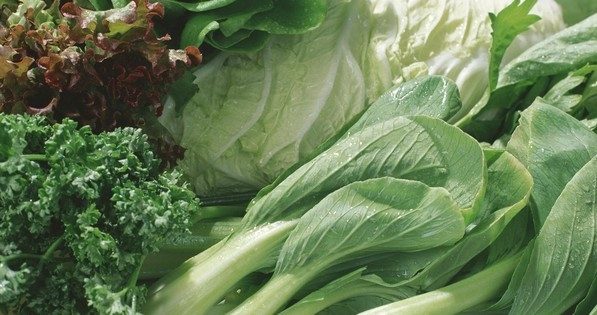
Top 5 vegetables richer in calcium than milk: A natural solution for strong bones
Kale is a calcium-rich green vegetable that helps prevent bone cell aging.
Calcium-rich green vegetables are not only an essential mineral source but also support a flexible musculoskeletal system.
Unlike conventional supplements, plant-based calcium comes with vitamin K—an active substance that acts as a guide, helping direct minerals straight into bone structure and preventing dangerous accumulation in blood vessels.
Adding dark leafy greens to the daily diet is the most natural solution to maintain resilient endurance for both muscles and the nervous system.
1. Calcium-rich green vegetables also provide many other minerals
Calcium plays a vital role in maintaining bone density, nerve transmission, and muscle contraction. Although milk is a common source of calcium, many people have difficulty absorbing it due to lactose intolerance.
Conversely, dark leafy greens not only provide calcium but also come with vitamin K, magnesium, and potassium—a trio of nutrients that help the body absorb calcium into bones more effectively, rather than depositing it in blood vessels and causing calcification.
2. List of 5 green vegetables richer in calcium than milk
Below is the calcium content measured per 1-cup serving (about 240 ml) after cooking. For comparison, a regular cup of milk contains about 300 mg of calcium.
Mustard greens: Mustard greens are an abundant source of calcium, offering 284 mg per cup. With their characteristic pungent flavor, these greens not only support bones and joints but also help detoxify the liver and strengthen the immune system thanks to their extremely high vitamin C content.
Amaranth greens: Amaranth greens provide 276 mg of calcium. This is a "golden" vegetable in traditional medicine, helping boost red blood cells and support a strong skeleton thanks to the combination of calcium and iron.
Collard greens: Collard greens contain up to 268 mg of calcium, nearly equivalent to a glass of milk. This vegetable is very rich in soluble fiber, helping to lower cholesterol and maintain the flexibility of joints.
Bok choy: Although the content is 185 mg, the calcium in bok choy has been proven to be the most easily absorbed by the human body. This is a great choice for daily stir-fries or soups.
Kale: Kale contains 177 mg of calcium. Kale is a "superfood" that helps prevent bone cell aging thanks to its dense network of antioxidants.
Beet greens: Beet greens (164 mg) are rich in vitamin K, which directs calcium straight into bone tissue rather than letting it float freely in the bloodstream.
3. Mechanism to help the body maximize calcium absorption from green vegetables
Eating plenty of calcium-rich vegetables is not enough; one must master the principles so that the body does not waste this nutritional source:
-
Combine with vitamin D: Without vitamin D, calcium cannot enter the bloodstream. Spend 15 minutes sunbathing each day or supplement with eggs and fatty fish.
-
Limit oxalates: Some vegetables, such as spinach, contain high levels of oxalates that can hinder calcium absorption. Diversify with the vegetables on the list above (especially bok choy and kale) to optimize effectiveness.
-
Cook properly: Cooking until just tender will help reduce mineral absorption inhibitors found in raw vegetables, making it easier for the body to absorb calcium.
The key to a strong skeletal system lies not only in medicine or dietary supplements, but right on your daily plate of green vegetables. Start adding these "superfoods" to family meals to protect cardiovascular and bone and joint health in the most natural way.