
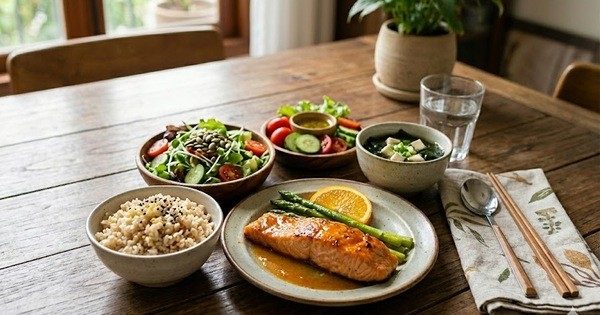
3 Recommended Menus for People with Hypothyroidism
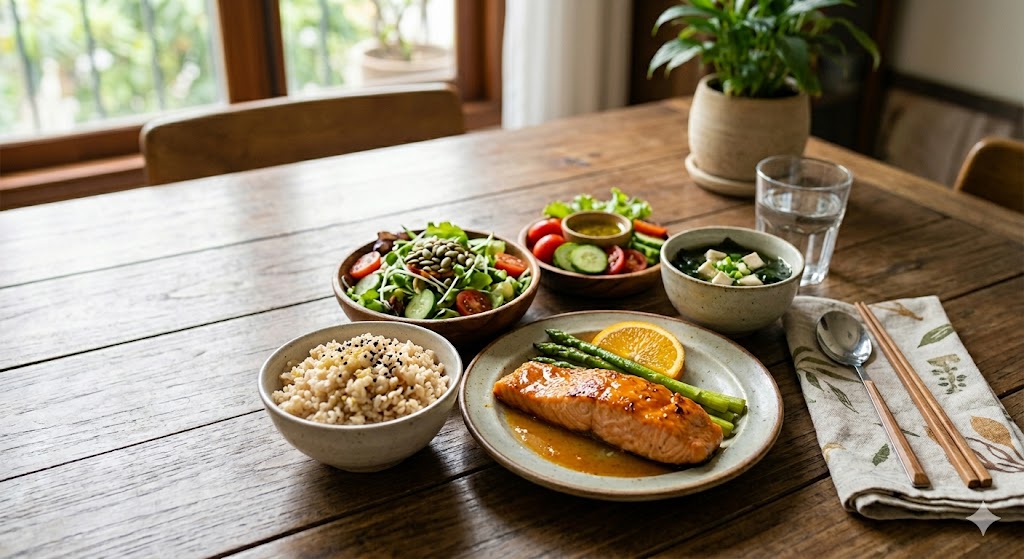
A diet for people with hypothyroidism should include nutrient-rich foods that support thyroid health while avoiding harmful foods.
Hypothyroidism—a condition in which the thyroid gland does not produce enough hormones—can significantly affect metabolism, energy levels, and overall health. Patients frequently face fatigue, uncontrolled weight gain, constipation, and brain fog.
Along with adhering to prescribed medications from a doctor, a scientifically designed diet will help hypothyroidism patients noticeably improve these symptoms.
1. Beneficial nutrients for people with hypothyroidism
For the thyroid gland to function optimally and metabolize hormones, the body needs an adequate supply of the following micronutrients:
-
Selenium: Selenium helps "activate" thyroid hormones from the inactive form (T4) to the active form (T3). At the same time, selenium has antioxidant properties, protecting the thyroid gland from damage. Food sources: Brazil nuts (just 1-2 nuts/day), sunflower and flax seeds, tuna, sardines, mackerel, eggs, millet, brown rice, and legumes.
-
Zinc:Zinc is directly involved in the synthesis of thyroid hormones, helping regulate TSH (thyroid-stimulating hormone) levels and supporting overall immune function. Food sources: Oysters, lean beef, chicken, pumpkin seeds, and yogurt.
-
Magnesium: Magnesium helps balance and produce thyroid hormones. Food sources: Green leafy vegetables, nuts and seeds, and oats are very rich in magnesium.
-
Vitamin D: Vitamin D supports immune function and overall thyroid health. Regular exposure to early morning sunlight is a natural way to increase vitamin D levels. Certain natural foods such as eggs, sardines, and mackerel are rich sources of vitamin D.
-
Natural fiber: People with hypothyroidism are prone to constipation due to slowed intestinal motility. Supplementing both soluble and insoluble fiber helps cleanse the intestinal tract, supports digestion, and keeps you feeling full longer, thereby managing weight effectively. Food sources: Oats, brown rice, sweet potatoes, apples, pears, and green vegetables.
-
Iodine: Iodine is a component that builds thyroid hormones. However, patients with hypothyroidism need to supplement in moderate amounts according to physiological needs (usually already sufficient in iodized salt, seaweed, and seafood). Excessive intake of natural iodine, especially in patients with hypothyroidism caused by Hashimoto's thyroiditis, can worsen the condition.
2. Foods people with hypothyroidism should be cautious with
There are several food groups that can interfere with medication absorption or suppress thyroid function that patients need to keep in mind:
Foods containing goitrogens (goiter-causing substances): Commonly found in cruciferous vegetables (broccoli, cabbage, bok choy, kale). Goitrogens prevent the thyroid from using iodine. Patients do not need to avoid them completely, but must boil or cook them thoroughly before eating. High temperatures will destroy most of these goitrogen compounds.
Soybeans and soy products: Tofu and soy milk contain isoflavones that can reduce the body's ability to absorb medication. Patients should consume soy dishes at least 4 hours apart from the time of taking medication.
Refined sugar and fast food: Because metabolism in people with hypothyroidism is very slow, consuming a lot of sugar and bad fats will lead to rapid fat accumulation and increase inflammatory reactions in the body.
3. Suggested menus to help manage hypothyroidism
The menus below are designed with a focus on providing lean protein, complex carbohydrates, and essential minerals, helping restore energy and prevent weight gain:
Menu 1: Boosting metabolism and easy to digest
-
Breakfast: Oatmeal cooked with low-fat milk (or unsweetened nut milk), mixed with 1 tablespoon of chia seeds and 1/2 diced apple (rich in fiber, prevents constipation).
-
Lunch: 1 bowl of brown rice, lightly braised fish, boiled water spinach, pumpkin soup with minced meat.
-
Afternoon snack: 1 glass of unsweetened nut milk or 1 pear.
-
Dinner: 1 small bowl of white rice, pan-seared chicken breast, tomato and cucumber salad with olive oil, mushroom soup.
Menu 2: Enhancing zinc and antioxidants
-
Breakfast: 2 slices of whole wheat rye bread with 2 boiled eggs (egg yolks are rich in zinc and selenium).
-
Lunch: 1 bowl of brown rice, lean beef stir-fried with asparagus, sweet leaf soup with minced meat.
-
Afternoon snack: 1 glass of carrot juice or 1 small handful of pumpkin seeds (provides zinc).
-
Dinner: Brown rice noodles mixed with boiled lean pork shoulder, served with plenty of fresh herbs, steamed broccoli (remember to steam thoroughly to eliminate goitrogens).
Menu 3: Purifying and balancing
-
Breakfast: 1 bowl of chicken pho (choose breast or skinless thigh, clear broth with minimal fat).
-
Lunch: Brown rice, lightly braised or pan-seared tuna, Malabar spinach soup with clams (helps soothe bowel movements).
-
Afternoon snack: 1 segment of pomelo or 1 orange (provides vitamin C to boost immunity).
-
Dinner: Boiled shrimp, avocado, and sprout salad, 1 small bowl of chicken mushroom soup.