
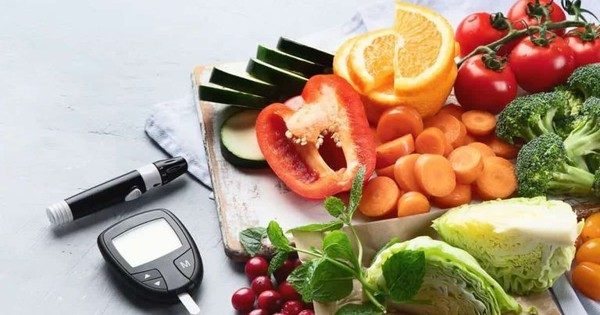
Special notes on eating during Tet for people with diabetes
Building and adhering to an appropriate nutritional regimen during Tet plays a particularly important role for people with diabetes.
Assoc. Prof. Dr. MD Nguyễn Trọng Hưng – National Institute of Nutrition stated that the Lunar New Year is the most important traditional holiday of the year for Vietnamese people, associated with the atmosphere of reunion, visiting relatives, and lavish meals lasting many days. However, for people with diabetes, this is a period fraught with many risks affecting blood sugar control.
Clinical practice shows that during and after Tet, the number of hospitalizations due to hyperglycemia, hypoglycemia, or cardiovascular complications in diabetic patients tends to increase. The main causes stem from irregular eating habits, high consumption of starchy and fatty foods, alcohol use, skipping meals, or inconsistent medication use.
Therefore, building and adhering to an appropriate nutritional regimen during Tet plays a particularly important role. This is not only a key factor in maintaining stable blood sugar levels but also contributes to preventing complications, helping patients still fully enjoy the Tet atmosphere with their families.
Building and adhering to an appropriate nutritional regimen during Tet plays a particularly important role for people with diabetes.
1. Fundamental nutritional principles for people with diabetes
Assoc. Prof. Dr. MD Nguyễn Trọng Hưng emphasized that medical nutrition therapy in diabetes needs to be approached in an individualized manner, combining education and counseling with monitoring clinical indicators such as blood glucose, HbA1c, blood lipids, blood pressure, weight, and quality of life. This serves as the basis for assessing the effectiveness of nutritional recommendations.
Goals of medical nutrition therapy
For non-pregnant adults with diabetes, medical nutrition therapy aims at the following main goals:
-
Support and maintain healthy eating habits and diverse foods in appropriate portions.
-
Achieve and maintain a healthy body weight.
-
Control blood glucose, blood pressure, and blood lipids according to individualized goals.
-
Delay or prevent diabetes complications.
In addition, the nutrition regimen needs to be tailored to individual conditions, dietary culture, food accessibility, level of knowledge, and the patient's capacity for behavioral change. The ultimate goal is to help patients maintain the joy of eating, avoid prescriptive messaging, and provide practical everyday tools.
Control targets by target group
Diabetes treatment goals differ between non-pregnant adults and the elderly, depending on health status, life expectancy, and disease complexity. Indicators including HbA1c, fasting blood glucose, postprandial glucose, blood pressure, and blood lipids must be individualized to ensure treatment efficacy and safety.
2. Characteristics of Tet meals and potential risks
Assoc. Prof. Dr. MD Nguyễn Trọng Hưng stated that the traditional Vietnamese Tet feast is usually very rich and diverse, yet harbors many unfavorable factors for people with diabetes.
When eating bánh chưng, it should be accompanied by plenty of green vegetables to slow down the rise in blood sugar.First, foods rich in starches and fats make up a large proportion, such as bánh chưng, bánh tét, sticky rice, braised pork, Vietnamese sausages, and fried spring rolls. These are all dishes with a high glycemic index or rich in saturated fats, easily causing blood sugar to rise quickly and remain elevated after meals.
Second, a lack of green vegetables and fiber. During Tet, vegetables often only serve as side garnishes in small quantities, whereas fiber is essential for slowing sugar absorption and supporting digestion.
Third, increased consumption of alcohol, soft drinks, and candied treats. Alcohol can cause delayed hypoglycemia, which is particularly dangerous for those using insulin or blood-glucose-lowering drugs. Candies, candied fruits, and soft drinks contain high amounts of simple sugars, causing blood glucose to spike rapidly and making it difficult to control.
3. Guidelines for selecting and consuming food during Tet
When eating bánh chưng, it should be accompanied by plenty of green vegetables to slow down the rise in blood sugar.
Consuming bánh chưng and bánh tét properly
Bánh chưng and bánh tét are indispensable traditional dishes during Tet. People with diabetes can still enjoy them if they carefully control the portion size and timing of consumption.
According to Assoc. Prof. Dr. MD Nguyễn Trọng Hưng, each serving should only be from 1/8 to 1/6 of a cake, depending on size, and one should not eat more than one piece per day to ensure dietary variety. The cake should be eaten during a main meal, not as a snack between meals, and not late in the evening. When eating bánh chưng, it should be accompanied by plenty of green vegetables to slow down the rise in blood sugar. Fried bánh chưng should be avoided because it increases fat and calories, making blood sugar and weight control difficult.
Choosing suitable savory dishes
During Tet meals, patients should prioritize low-fat dishes such as boiled or steamed lean meat, steamed or lightly braised low-oil fish, skinless chicken, tofu, and bean-based dishes.
Dishes that are high in fat and fried should be limited, such as fatty braised meat, giò lụa (lean pork roll), giò xào (head cheese), fried spring rolls, and fried meat patties. Only about 80–100g of meat or fish should be consumed per meal, avoiding multiple savory dishes in the same meal.
Increasing green vegetables and dietary fiber
Green vegetables play an important role in blood sugar control. Fiber helps slow sugar absorption, reduces postprandial blood sugar spikes, and supports digestion. Patients should consume 300–400g of green vegetables daily, prioritizing boiled or steamed vegetables and vegetable soups. Mixed salads (nộm) and fresh salads can be eaten, but oil and sugar should be limited.
Choosing and consuming fruits correctly
Fruits provide essential vitamins and minerals, but diabetic patients need to make appropriate choices. Priority should be given to less sweet fruits such as pomelo, citrus fruits (in moderate amounts), apples, pears, and dragon fruit. Limit sweet fruits such as jackfruit, durian, ripe mangoes, and raisins.
Fruits should be eaten 1–2 hours after main meals, about 100g per serving, avoiding eating large amounts at once, and should not be juiced.
Alcohol and beverages
Ideally, diabetic patients should minimize or avoid alcohol consumption during Tet. If consumption is unavoidable, only drink in very small amounts, no more than one unit per day, do not drink on an empty stomach, and do not use alcohol as a meal substitute. Strong liquor and prolonged drinking over multiple days must be strictly avoided.
4. Common mistakes and how to avoid them
Many patients are complacent, thinking they can indulge freely for just a few days of Tet and make adjustments later. In addition, skipping medication, irregular drug use, lack of physical activity, or failing to monitor blood glucose regularly are common. These mistakes can cause prolonged loss of blood glucose control and increase the risk of complications.
Patients should proactively plan their diet, eat slowly, choose foods selectively, maintain gentle physical activity such as walking for 30–60 minutes daily depending on their health status, and monitor their blood glucose more frequently during Tet.
Tet will no longer be an obstacle if people with diabetes have a proper understanding and adhere to the treatment regimen prescribed by their doctors, in which nutrition and physical activity play key roles. Scientific eating habits and good blood sugar control will help patients celebrate Tet happily, safely, and healthily.