
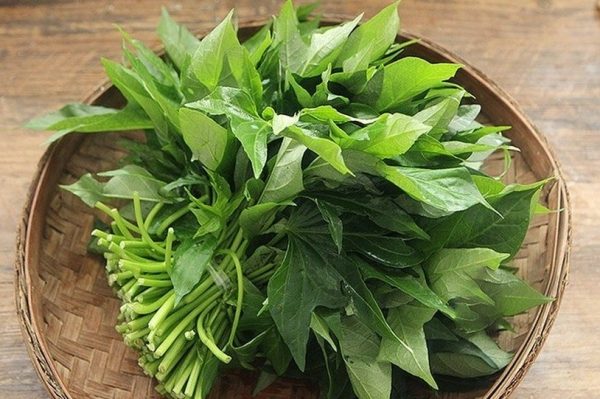
What health harms do sweet potato leaves cause if you eat them incorrectly?
Rau lang
Sweet potato leaves are a rustic, familiar vegetable in the meals of many families. Sweet potato greens contain many nutrients and an abundant source of vitamins.
With high contents of beta-carotene, vitamin A, and fiber, sweet potato leaves help improve immune system health, support digestion, and lower cholesterol. In addition, sweet potato leaves are also good for people with diabetes, as they help control blood sugar levels effectively.
However, few people know that if eaten incorrectly, sweet potato leaves can also cause many worrisome health harms.
Nutritional composition of sweet potato leaves
In 100g of sweet potato leaves there are:
Energy: 22 kcal
Water: 91.8 g
Protein: 2,6 g
Starch: 2.8 g
Natri: 8,06−832,31 mg
Magie: 220,2−910,5 mg
Phosphorus: 131.1−2639.8 mg
Canxi: 229,7−1958,1 mg
Kali: 479,3−4280,6 mg
Vitamin B3: 0,856−1,498 mg
Vitamin B6: 0,12−0,329 mg
Vitamin B2: 0,248−0,254 mg
Vitamin B1: 0,053−0,128 mg
Vitamin C: 0,0627−0,081 mg
In addition, sweet potato leaves also contain small amounts of copper, zinc, manganese, iron, vitamin E, vitamin B5, biotin, and β-carotene.
Besides, many studies have demonstrated that sweet potato leaves also contain high levels of polyphenols, flavonoids, and carotenoids, bringing many health benefits such as antioxidant, anti-cancer, immunomodulatory, and liver-protective properties.
Harmful effects of sweet potato leaves when eaten unscientifically
Causing constipation
Many people believe that eating sweet potato leaves helps as a laxative and supports digestion. However, when eaten incorrectly, especially when eaten raw or undercooked, sweet potato leaves can cause constipation.
The main reason is that raw sweet potato leaves contain a lot of oxalate—a compound that hinders calcium absorption in the body, easily causing indigestion and constipation. Sweet potato leaves when eaten raw also taste acrid and pungent, not easy for everyone to eat. To avoid this phenomenon, you should boil or briefly blanch sweet potato leaves before eating.
Causing allergies
Although rare, some people may be allergic to sweet potato leaves, and this is a harmful effect of sweet potato leaves that people with sensitive constitutions should note. Manifestations of an allergy can include rashes, itching, swelling, or difficulty breathing.
If you have ever experienced these symptoms after eating sweet potato leaves, you should avoid consuming this vegetable in your daily diet. For safety, if you have never eaten sweet potato leaves before, try a small amount to check your body's reaction.
Prone to drug interactions
Sweet potato leaves can affect the efficacy of certain medications, especially blood thinners. The reason is that sweet potato leaves contain a large amount of vitamin K, a substance capable of increasing blood clotting. If you are using medications related to the circulatory system or need to maintain thin blood, you should consult a doctor before eating sweet potato leaves.
Notes when using sweet potato leaves
Proper preparation
Preparing the vegetable properly helps you absorb more nutrients. Lightly boiling or blanching sweet potato leaves for a few minutes will help reduce the oxalate content while retaining essential nutrients.
Avoid overboiling the vegetables, as this can destroy some of the valuable polyphenols and antioxidants found in the vegetable. If you prefer raw sweet potato leaves, make sure to wash them thoroughly before eating to remove all dirt and residual chemicals.
Eat in moderation
Although sweet potato leaves are good, you should not eat too much, especially people with digestive problems such as constipation, diarrhea, or gastritis. People with a history of kidney stones should also limit eating sweet potato leaves due to the high oxalate content, which can increase the risk of stone formation.
Preserving sweet potato leaves
To keep sweet potato leaves fresh and nutritionally valuable, you should wrap the leaves in paper towels, then place them in a ziplock bag and store them in the refrigerator's crisper drawer. This not only keeps the vegetables fresh longer but also prevents nutrient loss caused by exposure to air.
Individuals who should be cautious when eating sweet potato leaves:
People suffering from diarrhea or weak digestive systems.
People with kidney stones due to an increased risk of forming oxalate stones.
People with low blood sugar need to be cautious because sweet potato leaves affect blood sugar levels.
Avoid eating sweet potato leaves when hungry to prevent dizziness and fatigue.
Pregnant women and individuals taking anticoagulants should consult a doctor before eating sweet potato leaves./.