
The truth about whether eating soy affects hormones and the thyroid
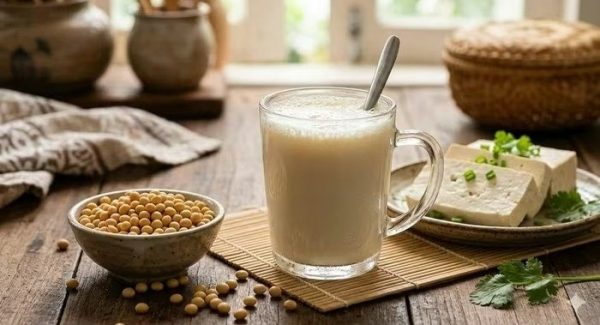
Many studies show that the protein and isoflavones in soy do not cause hormonal problems in either sex. Photo: AI.
Many families choose soy because it is economical, easy to prepare, and provides a complete profile of amino acids. This is an attractive option for vegetarians or health-conscious individuals.
People often add soy chunks, tofu, or soy milk to their meals to supplement protein. Even so, this food also raises many concerns about hormones and digestion. The expert analysis below will help you feel more confident when consuming it.
Below are the side effects of eating soy and what you need to know.
Does soy affect hormones?
Many people worry that soy causes hormonal imbalances, especially in men. Fitness trainer Ralston D'Souza affirms that this is a misconception.
Many studies show that the protein and isoflavones in soy do not cause hormonal problems in either sex. Health evaluations prove that this food does not harm testosterone or estrogen levels.
Does soy cause thyroid problems?
According to a study published in the journal Frontiers in Nutrition, isoflavones only affect enzymes that produce thyroid hormones when iodine intake is too low.
Trainer Ralston D'Souza clarifies that soy does not directly cause thyroid disease. Imbalances are usually caused by iodine deficiency. If you get enough iodine from salt, milk, or seafood, eating soy regularly is not a cause for concern.
Does soy affect mineral absorption?
Soy contains phytates, natural compounds that can bind to minerals. Some people may experience reduced absorption of iron, zinc, and calcium if consumed in excess. This effect mainly occurs with excessive consumption or when the body is already deficient in minerals.
Does soy cause digestive discomfort?
Eating too much soy at once can easily cause gas or bloating. Compounds in these beans can slow down digestion. This is commonly seen when eating processed forms like soy chunks. People with sensitive stomachs should be mindful of moderate portions for better tolerance.
Allergy concerns
Soy is one of the common food allergens. People with allergies may experience itching or stomach discomfort. For average individuals, this food is still safe for daily consumption.
Should you avoid eating soy?
Ralston D'Souza affirms that soy chunks are a complete protein source, rich in fiber, and help reduce bad cholesterol.
Analyses from more than 40 trials show that soy protein helps improve cardiovascular health, reducing LDL and total cholesterol. It is also a good prebiotic for the gut. Soy is completely safe and nutritious when consumed in moderation within a balanced diet.