
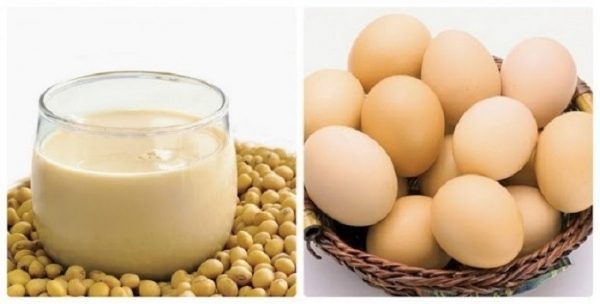
Nutrition and notes on soy milk and eggs
In food processing as well as eating habits, combining certain foods with incompatible nutritional components can create substances that are harmful to health and cause poisoning. One of these is the combination of eggs with soy milk.
Nutritional components of soybeans and eggs
According to the National Institute of Nutrition, the nutritional composition of 100g of soybeans contains 34g of protein, 18g of fat, 24g of starch, and many vitamins. The amount of protein obtained from soybeans is higher than that of fish and beef. Soybeans have three types of energy-producing nutrients: proteins, lipids, and glucids. The protein content in soybeans is particularly high and contains up to 18 essential amino acids.
Chicken eggs contain 11.6g of fat and 55mg of calcium, while duck eggs contain 14.2g of fat and 71mg of calcium. One duck egg contains 130 calories, double the calories of a chicken egg. The protein, saturated fat, and vitamin content of duck eggs are also higher than those of chicken eggs.
Viewpoints on the combination
Eggs and milk are both nutritious, high in protein, fat, and some minerals, and are popular breakfast items. However, combining them at the same time is not good because soy milk contains a substance called trypsin, which, when combined with the ovalbumin in egg whites, will lead to a loss of nutritional components, reducing the nutritional value of both.
Trypsin combined with egg white creates a precipitate compound that makes it difficult for the body to absorb.
Soy milk has the ability to inhibit the activity of protease enzymes, one of the enzymes that promotes metabolism in the body. Therefore, eating eggs and drinking soy milk will reduce the nutritional value.
Notes when using soy milk
To ensure maximum absorption of nutrients from these two types of food, the best way is to separate them and not eat them at the same time; instead, you can consume these two dishes at different times to distribute the appropriate amount of protein. In addition, there are some notes when using soy milk:
+ Do not use brown sugar with soy milk: Brown sugar contains organic acids such as lactic acid, acetic acid... which, when combined with protein and calcium, will create denatured compounds, losing the nutrients of soy milk and affecting the absorption of the digestive system.
+ Do not take medicine with soy milk: Some drugs, especially antibiotics like tetracycline and erythromycin, have the effect of breaking down nutrients in soy milk. Therefore, avoid taking antibiotics at the same time as soy milk. They should be taken about 1 hour apart to ensure no chemical reaction occurs.
+ Do not drink soy milk when hungry: When drinking soy milk on an empty stomach, proteins will change into heat and be consumed by the body, without fulfilling the milk's nutritional benefits. You should eat some starchy foods when drinking milk, such as bread or cake... Under the influence of starch, protein can fully react with gastric juice and allow the nutrients to be completely absorbed.
+ Do not consume too much soy milk in a day: For adults, do not drink more than 500ml at a time. Drinking too much easily leads to abdominal pain and diarrhea because nutrients are not fully absorbed, negatively affecting digestion.
+ Do not combine soy milk with spinach: Spinach contains oxalic acid, which when combined with the calcium in soy milk will form an insoluble precipitate called calcium oxalate in the stomach.
+ Do not combine soy milk with green onions: Soybeans contain many nutrients including calcium, protein... On the contrary, green onions contain a lot of oxalic acid. When combining these substances, the oxalic acid in green onions will break down the calcium in soybeans, affecting the body's calcium absorption process. If this situation persists, it will lead to the formation of insoluble precipitates in your stomach.