
In-season fruit widely sold at markets: cooling and heart-healthy
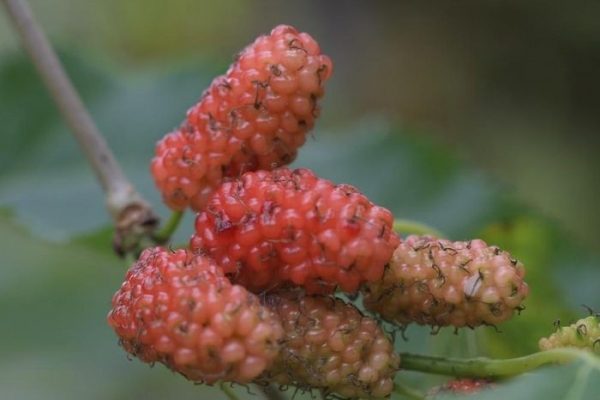
Mulberries are used by people to soak for making drinks. Photo: N. Huyen
According to Dr. Ngô Đức Phương, Director of the Institute of Southern Medicine Science, in traditional medicine, mulberry is known as tang tham (scientific name Morus alba). It is both a medicinal herb and a nutritious food that has long been used in folk traditions.
According to Eastern medicine, mulberry has a sweet, slightly sour taste and a cold nature. This fruit is commonly used to nourish blood, tonify the liver and kidneys, and help relieve dizziness and vertigo caused by blood deficiency; it also helps nourish yin, promote body fluid production, relieve dry mouth, and support mild constipation relief caused by body fluid depletion.
Thanks to these properties, mulberries are often considered suitable for individuals with mild anemia, physical debility, or frequent internal heat.
Why are mulberries good for the blood and cardiovascular system?
Dr. Phương added that modern nutritional studies show mulberries are rich in anthocyanins, the compounds responsible for the characteristic deep purple color of the ripe fruit. In addition, this fruit is rich in vitamin C, polyphenols, flavonoids, and fiber.
“These compounds provide numerous health benefits, such as powerful antioxidant effects, cell protection, and support for the cardiovascular and circulatory systems. Some studies also show they may contribute to stabilizing blood sugar levels to a certain extent, while supporting brain health and vision,” said Dr. Phương.
Mr. Phương noted that the almost-black purple color of ripe mulberries reflects their high content of anthocyanins—a group of plant pigments belonging to the flavonoid family with many important biological effects.
First, anthocyanins possess strong antioxidant capabilities, helping neutralize free radicals—agents that cause cell damage and accelerate vascular aging. As a result, supplementing with anthocyanin-rich fruits like mulberries can contribute to protecting blood vessel walls and reducing oxidative stress in the body.
Second, some studies suggest that this compound can improve vascular endothelial function, helping blood vessels dilate better and supporting blood circulation. This is beneficial for maintaining stable blood pressure and long-term cardiovascular health.
Third, anthocyanins are also associated with reducing the oxidation of LDL-cholesterol, the type of cholesterol prone to forming atherosclerotic plaques. When LDL is less oxidized, the risk of plaque accumulation in arterial walls is also reduced.
In addition, mulberries contain vitamin C, iron, polyphenols, and fiber, which support blood formation, enhance resistance, and improve metabolism.
“Therefore, in both traditional medicine and modern nutrition, mulberries are often regarded as a fruit that both enriches the blood and benefits cardiovascular health, especially when consumed during their ripe season or in forms such as syrup, dried mulberries, or mulberry wine in small quantities,” stated Dr. Phương.
However, the expert also advised people not to overconsume this fruit. Ripe mulberries contain a significant amount of organic acids, so excessive intake may cause stomach ache or mild diarrhea. People with high blood sugar should exercise caution when consuming mulberry syrup or sugar-steeped mulberries.