
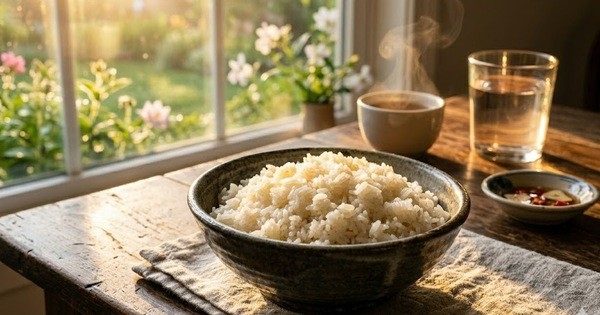
The secret to creating resistant starch from cold rice to support weight loss
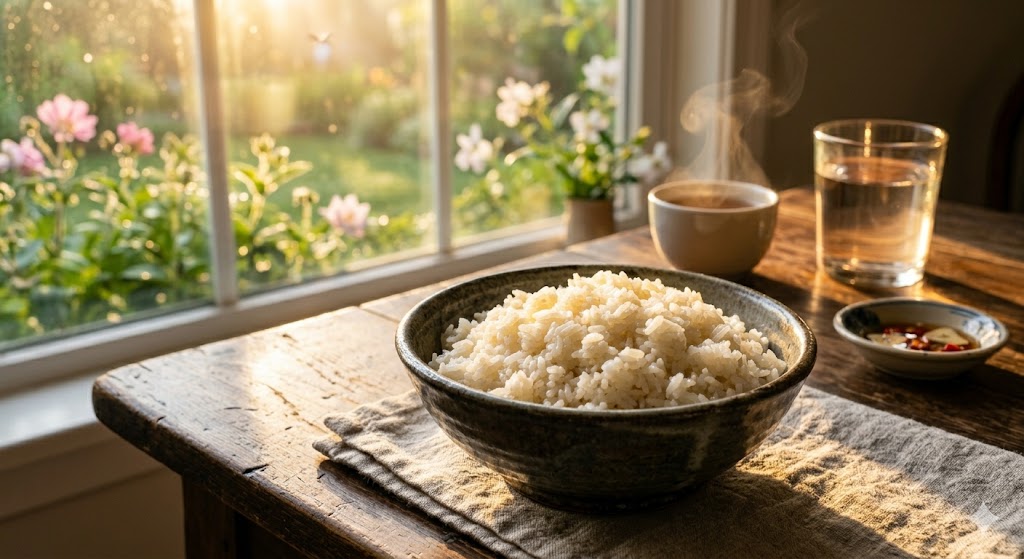
Eating resistant starch supports weight loss and stabilizes blood sugar.
Weight loss and blood sugar control benefits of resistant starch
Normally, starch is digested in the small intestine and converted into sugar entering the bloodstream. Resistant starch is different; it passes straight through the small intestine without being digested and goes down to the large intestine to serve as food for beneficial bacteria.
Helps with weight loss: Because resistant starch is hard to digest, the body must expend more energy to process it. People will feel full longer and have fewer cravings, thereby naturally reducing calorie intake.
Controls and stabilizes blood sugar: Resistant starch is not broken down into sugar in the small intestine, so blood sugar levels after eating will not spike. This helps the body become more sensitive to insulin, reducing the risk of type 2 diabetes.
According to MSc. Dr. Nguyễn Thu Yên, Head of the Nutrition Department at Đức Giang General Hospital, when rice is cooked and then cooled, a portion of regular starch converts into resistant starch.
Resistant starch is not digested in the small intestine but goes straight to the large intestine. Thus, the process of converting starch into glucose happens much slower than with hot rice.
The gradual absorption of sugar will reduce blood sugar spikes after meals, helping to stabilize blood sugar. This mechanism is good for people with diabetes, pre-diabetes, or anyone pursuing a healthy diet and supporting weight loss.
Simple steps to create resistant starch from cold rice
When rice is cooked and then cooled, the structure of the starch changes and turns into resistant starch. Follow these 3 steps to achieve the highest efficiency:
Step 1: Cook rice as usual. If possible, use brown rice or whole grains for more fiber and nutrients.
Step 2: (The most important step): Let the rice cool completely outside, then place it in an airtight container and store it in the refrigerator (not the freezer) for at least 8 to 12 hours (ideally overnight). This time and cold temperature will help the starch transform into resistant starch.
Step 3: Take the rice out and gently reheat it in a microwave or steamer at a moderate temperature (about 60 - 80 degrees Celsius).
Note: Do not reheat the rice too hot, do not boil it thoroughly, or fry it at high temperatures. Excessive heat will destroy the resistant starch and lose the weight loss and blood sugar reduction effects.
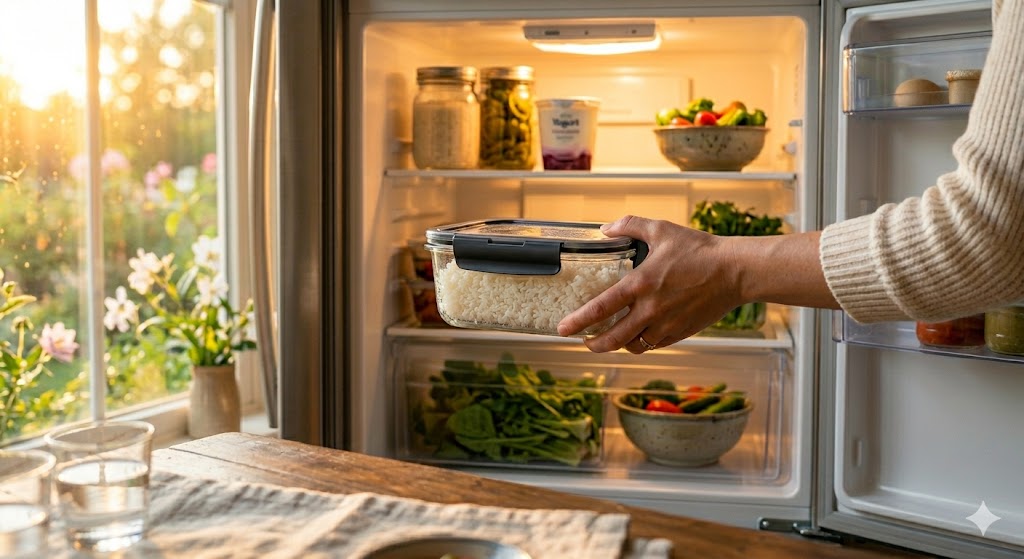
Rice cooked and cooled properly creates resistant starch.
Notes for safe storage and use of cold rice
Do not leave rice at room temperature for too long: After cooking, cool the rice quickly and put it in the refrigerator within 1 to 2 hours. Absolutely do not leave rice outside overnight before refrigerating.
Airtight storage: Always store rice in a container with a tight lid or plastic wrap to prevent the rice from drying out and to prevent cross-contamination from other foods.
Storage time: Rice should only be stored in the refrigerator for no more than 24 hours. The longer it is left, the easier it is for bacteria to enter and nutritional quality to decrease.
Reheat only once: Only take out enough rice for one meal to reheat. If the cold rice taken out of the refrigerator and reheated is not finished, it must be discarded; do not put it back in the refrigerator to eat later.
Check rice before eating: If you notice the rice has a spoiled, sour smell, is slimy, or shows signs of mold, discard it immediately to protect your health.