
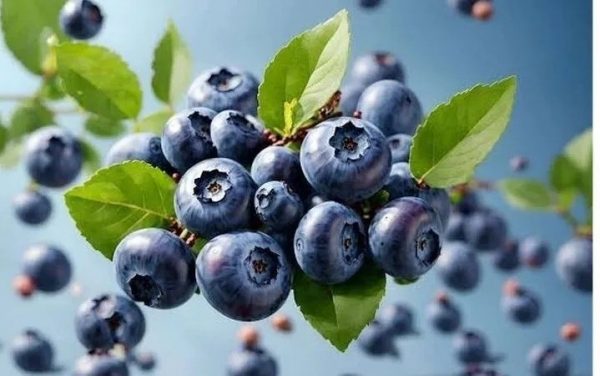
Anthocyanins and purple foods in the diet
On the journey of caring for and preserving skin beauty, many people often pay great attention to cosmetics and external treatments, but pay little attention to nutrition. Meanwhile, reputable international studies affirm that the foundation of healthy, youthful skin is a scientific, balanced diet from within the body.
Anthocyanin pigments and their role in the skin
According to nutritionists and dermatologists worldwide, purple foods are increasingly valued for their ability to help slow down skin aging, strengthen immunity, and protect the body against the negative impacts of a polluted environment and prolonged stress. What this food group has in common is a high content of anthocyanins – a powerful natural antioxidant compound.
Anthocyanin is the pigment that gives many fruits and vegetables their purple, blue-purple, or dark red color. It is also capable of neutralizing free radicals – the primary culprit behind cell damage that makes skin dull, less elastic, and prone to premature wrinkles. Regular anthocyanin supplementation is believed to help protect collagen and elastin, two key components determining skin firmness and smoothness.
Numerous studies published in international nutrition journals show that people whose diets are rich in purple fruits and vegetables often have brighter skin and fewer signs of premature aging compared to those consuming fewer antioxidant-rich foods. Furthermore, anthocyanins also contribute to improving blood circulation, helping the skin be better nourished from within.
Common purple foods
Common and easy-to-find purple foods include blueberries, purple grapes, blackberries, mulberries, eggplants, purple cabbage, and purple sweet potatoes. Among these, blueberries are considered one of the richest sources of anthocyanins, while also containing high levels of vitamins C and E – vital nutrients that enhance the skin's self-defense against the harmful effects of ultraviolet rays.
Mentioned benefits and how to supplement
In addition to benefits for the skin, purple foods also offer many values for overall health. Studies show that anthocyanins can help reduce inflammation, improve cardiovascular function, stabilize blood sugar, and enhance memory. This shows that incorporating this food group is not only a beauty solution, but also a comprehensive nutritional choice.
Experts recommend that to achieve optimal results, one should combine a variety of purple foods in the daily diet, prioritizing fresh, minimally processed forms. When maintained over the long term alongside a healthy lifestyle, this habit will contribute to nurturing healthy, radiant skin and slowing down the aging process in a natural, sustainable way.