
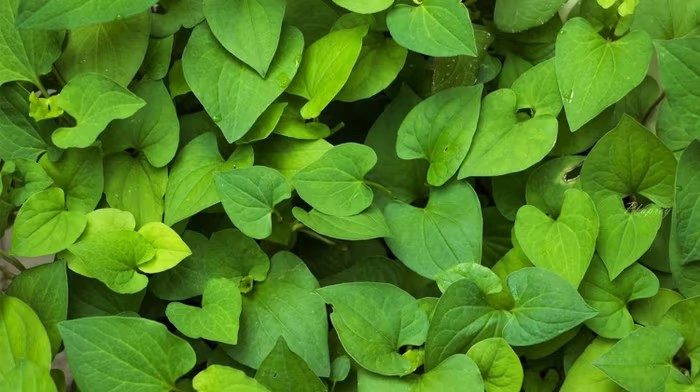
Characteristics and ways to use fish mint
Fish mint supports liver detoxification exceptionally well.Fish mint is not an "easy-to-eat" herb for everyone due to its rather distinct pungent, fishy odor. Yet behind the flavor that makes many people "hold their nose" lies a series of health benefits recognized in both traditional medicine and modern research.
Names, habitat, and components
According to Dr. Bùi Thanh Hoài, Department of Traditional Medicine, 19-8 Hospital (Ministry of Public Security), fish mint is also known as fishy-smell herb (Houttuynia cordata Thunb), commonly growing wild in damp places such as along ponds and field borders. In daily life, this plant is used flexibly; it can be eaten raw as a culinary herb or sun-dried and dehydrated for medicinal purposes.
Studies show that fish mint contains a small amount of essential oil and bioactive compounds. The main component responsible for the herb's characteristic scent is methyl nonyl ketone, along with compounds such as myrcene, capric acid, and lauric aldehyde. These very components not only determine its aroma and flavor, but also contribute to the biological effects of fish mint.
Supportive benefits mentioned
Fish mint is recognized for its role in supporting liver function. In folk medicine, fresh fish mint leaf juice is often used as a remedy to cool the liver, especially on hot days or when the body shows signs of internal heat. Several documents also indicate that the active compounds in fish mint may contribute to supporting the liver's detoxification process.
One of fish mint's prominent benefits is its diuretic capability. According to Dr. Hoài, this effect is mainly due to the active compound quercitrin along with several inorganic substances, which help increase urine excretion and assist the body in eliminating toxins and waste products. As a result, fish mint is often used when there is a need to clear heat and detoxify.
In addition, with its natural anti-inflammatory properties, fish mint is also believed to be capable of helping lower blood cholesterol, thereby contributing to cardiovascular health protection. However, experts advise that this is merely a supportive food and cannot replace medical treatments.
Precautions according to individual constitution
Despite offering many benefits, the use of fish mint should also suit each individual's physical constitution. People with a "cold" constitution, those prone to digestive disorders, or those with special medical conditions should consult a physician before regular consumption, especially in juice form.
It can be said that although its flavor is not beloved by everyone, fish mint is still a small culinary herb that packs a powerful punch. When used properly, this herb not only enriches meals, but also contributes to natural and safe health care support.