
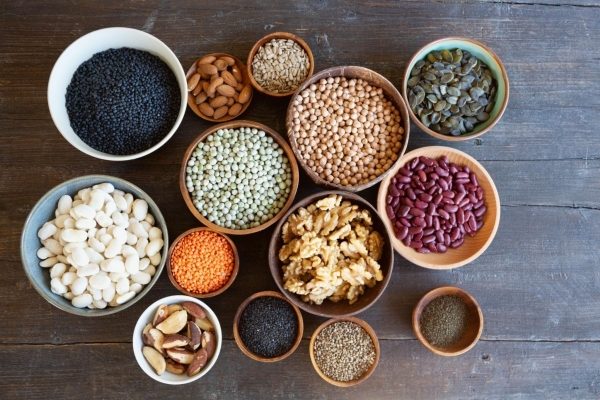
Plant-based protein sources in a sustainable diet
Plant protein is becoming a popular choice in modern diets as consumers increasingly prioritize health and sustainability. From beans, lentils, tofu, quinoa, and oats to ready-made plant protein products, these foods are appearing more frequently in daily meals.
Diversifying food sources and keeping vitamin B12 in mind
Studies show that plant protein can fully meet the body’s nutritional needs when consumed as part of a balanced diet. Previously, many were concerned that plant protein could not provide all essential amino acids like animal protein. However, nutrition experts point out that diversifying plant-based foods in one’s diet ensures the body receives all necessary amino acids.
In addition to delivering protein, plant-based foods are rich in dietary fiber, vitamins, minerals, and many beneficial phytonutrients. Increased consumption of plant foods has been linked to better weight management, a lower risk of type 2 diabetes, and long-term health benefits.
However, those following a strictly plant-based diet should pay attention to vitamin B12, a nutrient vital for red blood cell formation and neurological function. Since this vitamin is primarily found in animal products, appropriate supplementation is essential.
Prioritizing whole foods and understanding soy
Nutrition experts also recommend prioritizing natural, whole-food plant protein sources such as beans, lentils, tofu, nuts, seeds, and whole grains, rather than relying heavily on ultra-processed meat alternatives. Some processed options may contain higher levels of sodium or saturated fat than expected.
Soybeans remain one of the most widely consumed plant protein sources today. While concerns about the health effects of soy once circulated, extensive research has demonstrated that soy products are safe and beneficial for daily consumption.
Environmental impact and adding plant protein to daily meals
Beyond personal health benefits, plant protein is highly valued for its positive environmental footprint. Reducing animal protein consumption and increasing plant-based foods can help lower greenhouse gas emissions, conserve water resources, and ease pressure on natural ecosystems.
Common plant protein sources today include black beans, chickpeas, lentils, soybeans, tofu, edamame, quinoa, oats, various nuts and seeds, and plant protein powders. Each offers unique nutritional values and can be flexibly incorporated into everyday meals.
Experts emphasize that adding more plant-protein foods to your diet does not necessarily mean eliminating animal products entirely. Even modest shifts toward more plant-based meals can deliver meaningful health benefits and support a more sustainable lifestyle.