
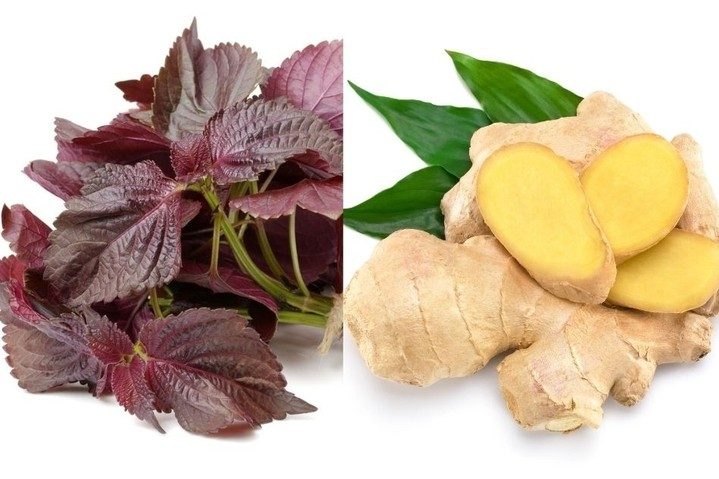
Remedies from perilla leaves cooked with ginger everyone should know
According to herbalist Bùi Đắc Sáng, Hanoi Oriental Medicine Association, perilla is a perennial herb that grows wild or is commonly cultivated in many regions of Vietnam and Asian countries. The plant prefers light, likes moist soil, and usually thrives on loamy or alluvial soil.
After flowering and fruiting, the plant withers, the seeds fall to the ground and germinate in the following year's rainy season. Not only a familiar aromatic herb in meals, perilla is also considered a medicinal material in traditional medicine.
Cold relief and fever reduction effects
In Traditional Medicine, perilla is classified into the group of medicinal materials that dispel wind-cold, stimulate sweating, and support fever reduction. Decoctions or alcohol extracts from perilla leaves have the ability to dilate cutaneous blood vessels, helping the body dissipate heat when suffering from a cold.
In addition, the essential oil in perilla leaves helps reduce bronchial smooth muscle spasms, supporting cough reduction and improving shortness of breath. Perilla leaf soak water is also noted for its ability to inhibit certain bacteria such as staphylococci, dysentery bacilli, and colon bacilli.
Perilla seeds are often used to make tea to lower qi, while perilla branches are used in some remedies to support pregnancy stability.
Rich in essential oils and antioxidants
According to studies on chemical composition, perilla seeds contain a high essential oil content and many unsaturated fatty acids, especially alpha-linolenic acid. Meanwhile, perilla leaves contain about 0.2% essential oil along with compounds such as hydrocarbons, aldehydes, ketones, and furans.
Extracts from perilla leaves are believed to have antioxidant, anti-inflammatory, anti-allergic properties, and support mood improvement.
Some folk remedies from perilla leaves
In folk medicine, perilla leaves are used to support hemostasis. When a wound bleeds, young perilla leaves can be crushed and applied to the injured area, helping to stop bleeding and limit infection.
To treat a cold, you can use the peel of one tangerine (washed), three slices of ginger, and a handful of perilla leaves in a pot with a bowl of water, boil, then drink hot and keep the body warm.
Another way is to use finely chopped perilla leaves, scallions, and ginger in a bowl, add a chicken egg, then pour hot porridge in and mix well, eating while hot to support cold relief.
People with bloating or mild abdominal pain can crush perilla leaves to extract juice and drink it with a little salt. In addition, perilla branches and leaves combined with mulberry root bark are also used in folk remedies to reduce cough and shortness of breath.
How to cook perilla leaf water for daily drinking
Perilla leaves are also used by many people to make drinking water. According to herbalist Bùi Đắc Sáng, perilla leaf water contains plant protein, fiber along with many vitamins and minerals that can support the body's metabolic process.
To prepare, wash perilla leaves with diluted salt water. Boil about 2.5 liters of water then add the leaves, cover tightly and boil for about two more minutes before turning off the heat. After the water cools, a few slices of lemon can be added and then stored in the refrigerator to drink during the day.
Many people choose to drink perilla leaf water about 10-30 minutes before meals to support digestion and limit food intake.