
The forgotten backyard fruit that has become a delicacy: plant once, harvest for years
The canistel, commonly known in Vietnam as quả trứng gà or lê-ki-ma, holds a nostalgic place in the childhood memories of many generations. In the past, these trees were scattered across home gardens, roadsides, and pond banks. Come harvest season, ripe fruits would fall abundantly around the tree bases; children picked them to snack on, while adults rarely paid much attention. Over time, however, this rustic fruit that few bothered to harvest has transformed into a sought-after specialty among city dwellers, celebrated for its unique flavor and rich nutritional value.
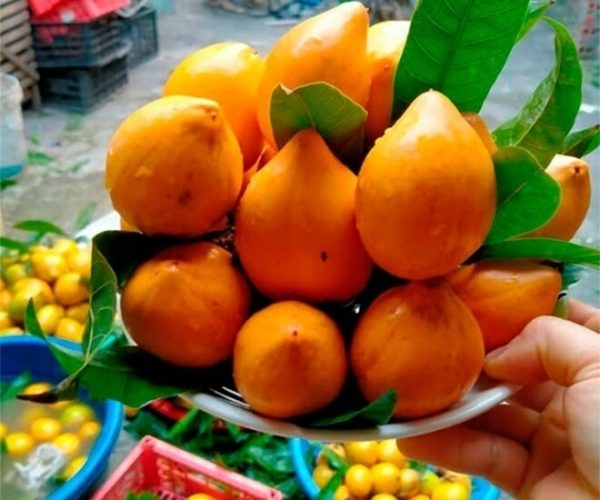
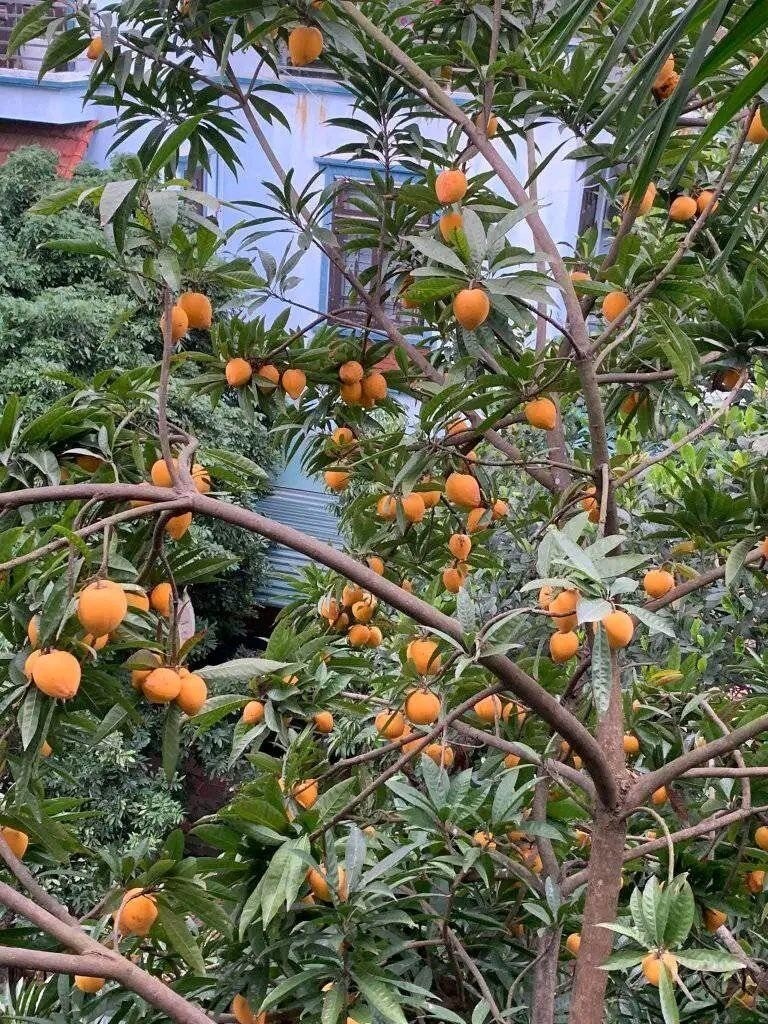
The canistel is a perennial woody tree with a broad, dense canopy that stays green all year round. The fruit is oval-shaped, handheld in size, with thin skin that is light green when young and turns bright yellow-orange when ripe. Its appearance resembles a free-range chicken egg yolk, which gave rise to its popular Vietnamese name, “eggfruit” (trứng gà).
Inside, the flesh is deep yellow, smooth, and relatively dry rather than juicy like many other fruits. When sliced open, it releases a subtle, pleasant aroma. Each fruit typically contains 1 to 4 large, hard, glossy seeds.
What makes the canistel truly unique is its flavor. The flesh is rich, velvety, mildly sweet, and reminiscent of cooked egg yolk blended with sweet potato and a touch of natural vanilla. For many, canistel isn’t love at first bite, but it grows on you with every taste, especially when enjoyed fully ripe.
Canistel is commonly eaten fresh by scooping the soft flesh directly with a spoon. Additionally, people blend it into smoothies with milk, use it in ice creams and pastries, or mix it with shaved ice to create a rich, satisfying, and distinctive treat.
In the past, the tree carried almost no commercial value. Ripe fruit scattered on the ground, picked only by children for fun. In many places, it was grown merely as a shade tree, with hardly anyone considering harvesting it for sale.
However, in recent years, alongside the trend of rediscovering indigenous produce, canistel has surprisingly become a specialty. Many urbanites, especially those with fond memories of a rural childhood, seek it out for its nostalgic taste and health benefits. As a result, the fruit is increasingly seen at local markets, specialty grocery stores, and e-commerce platforms.
Canistel typically fruits between April and August each year, peaking in early summer. Once planted, a single tree can yield fruit for decades, requiring minimal pest control and tolerating drought exceptionally well.
From a virtually worthless fruit, canistel now commands a stable price, ranging from 20,000 to 40,000 VND per kilogram depending on the season and quality. Large, evenly ripe, bright yellow fruits harvested from mature trees often fetch higher prices and are in high demand.
Health benefits of canistel (eggfruit)
Supports cardiovascular health
Canistel is considered a humble fruit that delivers significant benefits for heart health. Its natural potassium content helps regulate blood pressure, supports vasodilation, and helps maintain a steady heart rhythm.
In addition, antioxidants such as vitamins C and E present in the fruit help protect blood vessel walls and inhibit the oxidation of LDL cholesterol, thereby assisting in the prevention of atherosclerosis. This combination of minerals and vitamins makes canistel an excellent choice for anyone looking to protect their heart health.
Promotes healthy digestion
Beyond its pleasant, creamy taste, canistel provides a generous amount of dietary fiber. Fiber promotes intestinal motility, facilitates smooth digestion, and reduces the risk of constipation.
Furthermore, the fiber in canistel nourishes beneficial gut bacteria and helps preserve microbiome balance, thereby contributing to better gastrointestinal health and a stronger immune system.
Enhances vision and eye health
Canistel is rich in vitamin A—a vital nutrient for maintaining healthy vision, supporting visual acuity, and lowering the risk of eye disorders such as night blindness and macular degeneration.
Notably, the fruit is also loaded with beta-carotene, a precursor to vitamin A and a potent antioxidant. Beta-carotene shields ocular cells from free radical damage, helping slow age-related eye decline and reducing the risk of cataracts and vision loss over time.
Helps prevent anemia
Compared to many common fruits, canistel is relatively rich in iron—an essential mineral for blood production. Iron enables the body to produce hemoglobin, which transports oxygen to tissues and cells throughout the body.
Consequently, adding canistel to your diet can help reduce the risk of iron-deficiency anemia, making it particularly beneficial for pregnant women, growing children, and individuals with active, physically demanding routines.
Naturally nourishes the skin
Canistel provides not only vitamin C but also a range of other skin-friendly vitamins and minerals. The synergistic effect of vitamin C, vitamin A, and antioxidants stimulates collagen synthesis, aids skin cell renewal, improves elasticity, and promotes an even skin tone.
Moreover, anti-inflammatory compounds found in the fruit help calm the skin, reduce redness and irritation, and foster a smooth, radiant, and healthy complexion from within.
Aids in weight management
Canistel is moderate in calories yet high in fiber, which promotes satiety, curbs cravings, and supports effective weight management.
Incorporating canistel into your meals also delivers essential vitamins, minerals, and antioxidants that bolster immunity, protect overall wellness, and keep skin vibrant. When incorporated thoughtfully into a balanced diet, canistel helps you maintain a trim physique while keeping energy levels high.