
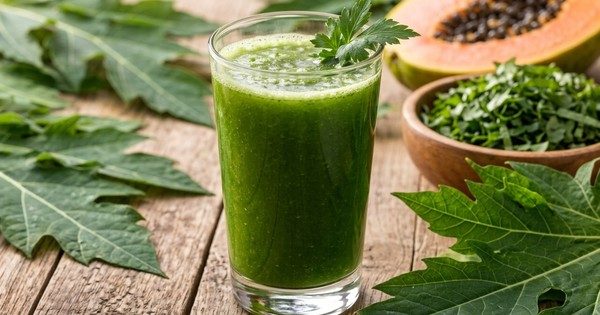
Papaya leaf juice and potential health risks
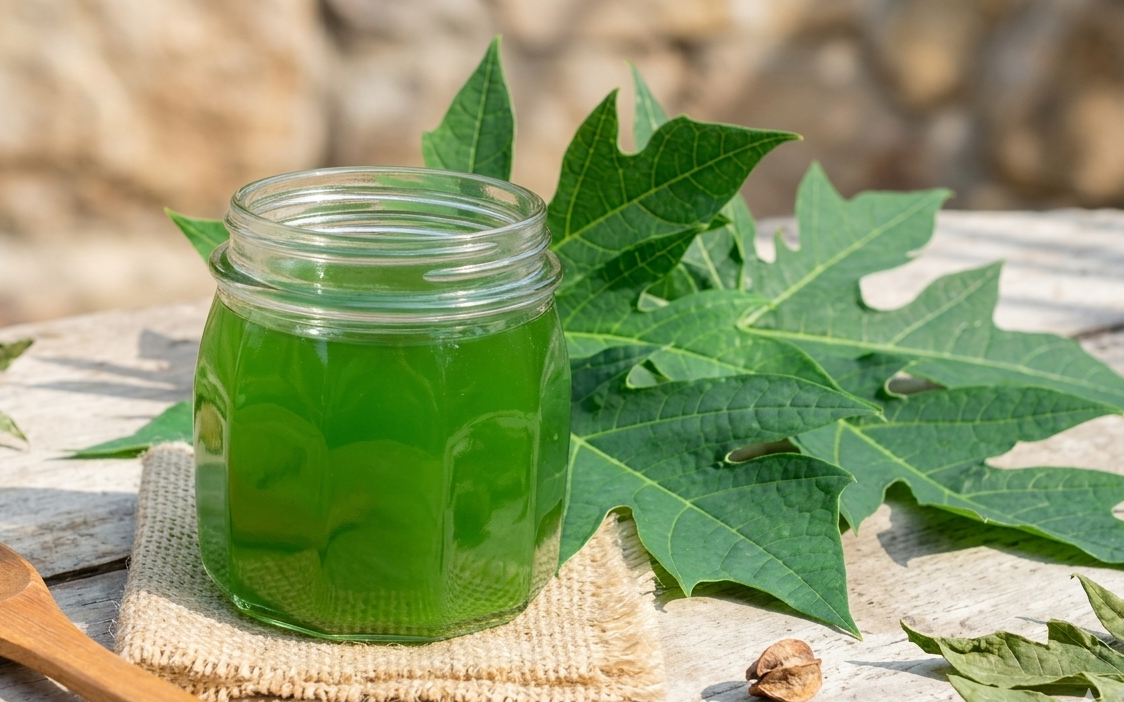
Papaya leaf juice is known as a valuable herbal remedy packed with enzymes and antioxidants beneficial to health.
However, users should exercise caution, as improper use or overuse can harm the body. Understanding the benefits and risks of papaya leaf juice will help you make safer choices for your health.
Dangerous health side effects of using papaya leaf juice incorrectly
Papaya leaf juice causes gastrointestinal discomfort and enzyme overload
Many people experience nausea, bloating, stomach burning, or vomiting after drinking papaya leaf juice. The primary cause is its intensely bitter taste combined with the potent activity of the enzyme duo papain and chymopapain.
When ingested in large quantities, these enzymes disrupt the natural balance of the digestive system, severely irritating the stomach lining. For those with a history of peptic ulcers or gastroesophageal reflux disease (GERD), drinking concentrated papaya leaf juice on an empty stomach can easily trigger severe abdominal cramps and serious lesions.
One of the most dangerous side effects of papaya leaves is their ability to affect blood platelet function. In healthy individuals, this property strongly supports platelet recovery during dengue fever.
However, for those taking blood thinners or anticoagulant medications, drinking papaya leaf juice can cause an extremely hazardous drug interaction. This synergistic effect weakens the body’s natural blood-clotting ability, raising the risk of internal bleeding, subcutaneous hemorrhage, or making open wounds difficult to stop bleeding.
Papaya leaf juice can cause severe allergic reactions to papain and latex
Although rare, allergic reactions to components in papaya leaves can happen and progress very rapidly. People with a latex allergy often face a risk of cross-reactivity with the papain enzyme found in these leaves.
Warning signs ranging from mild to severe include:
-
Rashes, hives, and generalized itching.
-
Swelling of the lips, tongue, or throat.
-
Shortness of breath and wheezing due to bronchospasm.
If any of these symptoms appear after consumption, the user must stop drinking immediately and seek emergency medical attention at the nearest healthcare facility.
Risk of miscarriage and uterine contractions
Pregnant women must exercise utmost caution with this plant. Research indicates that, much like unripe green papaya, fresh papaya leaves contain high levels of latex and concentrated extracts capable of stimulating strong uterine contractions.
During pregnancy, these induced contractions can lead to threatened miscarriage, spontaneous abortion, or premature labor. Unlike ripe papaya fruit—which is safe and vitamin-rich—all remedies derived from papaya leaves should be strictly avoided by expectant mothers unless specifically prescribed and monitored by an obstetrician.
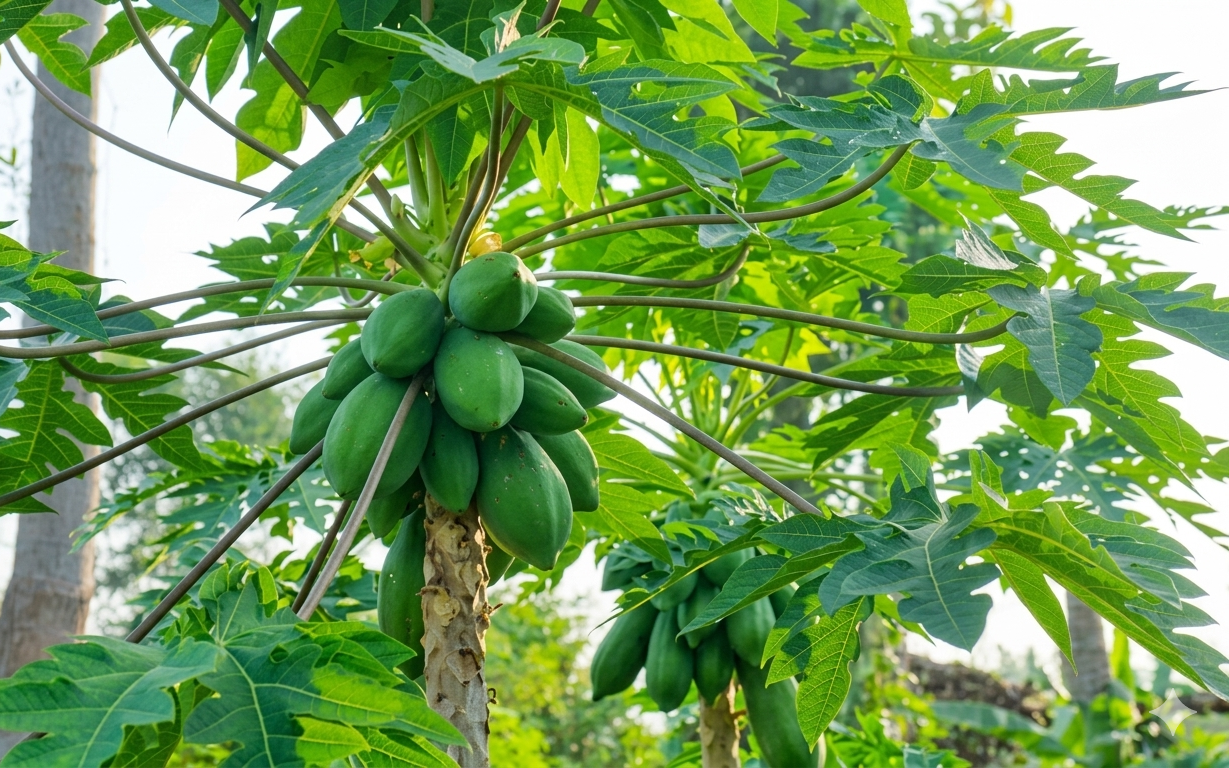
Guidelines for using papaya leaf juice to avoid dangerous side effects
To achieve maximum benefits and prevent harmful side effects, strictly observe the following guidelines:
Standard dosage: When using fresh papaya leaf juice extract, consume only 25–30 ml, divided into two doses per day.
Gentle preparation: Boil washed papaya leaves in water for 10–15 minutes, then strain out the residue. This heating process helps diminish excessively potent enzyme levels, making the beverage gentler and more soothing on the stomach lining.
Blood sugar precautions: Many people add sugar or honey to papaya leaf tea to make it more palatable. Those with elevated blood glucose or undergoing diabetes treatment should carefully monitor any added sweeteners to prevent dangerous blood sugar spikes.
Proper storage: Freshly prepared juice must be consumed within the day to avoid bacterial contamination. Dried leaves and papaya leaf powder should be stored in airtight containers in a cool, dry place, strictly protected from moisture and mold.
Papaya leaves only deliver true therapeutic benefits when used under medical guidance: for the right person, at the proper dosage, and at the right time.