
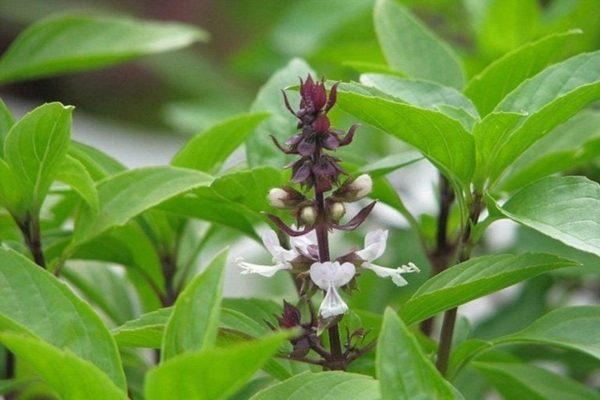
"The King of Herbs" sold dirt cheap in Vietnamese markets: highly nutritious and disease-preventing
(Illustration photo: Thanh Nien)Relieving stress and protecting the nervous system
Scientists consider basil a potent adaptogen, helping the body respond more resiliently to mental and physical stress. Active compounds in basil leaves work by optimizing cortisol hormone levels—the primary culprit behind anxiety, insomnia, and nervous exhaustion. Maintaining a daily habit of sipping basil tea not only soothes the mind but also sharpens concentration, keeping you clear-headed throughout a busy workday.
Boosting cardiovascular health and stabilizing blood pressure
Another standout benefit of basil is protecting the circulatory system through eugenol. This compound acts as a natural calcium channel blocker, helping blood vessels relax, thereby supporting lower blood pressure and reducing strain on the heart. In addition, antioxidants in basil prevent the oxidation of blood cholesterol—the leading cause of atherosclerosis. Incorporating basil into your diet helps lower "bad" LDL cholesterol, guarding against the risk of stroke and severe cardiovascular diseases.
Potent anti-inflammatory action and joint support
Basil contains essential oils such as citronellol and linalool, which boast remarkable anti-inflammatory properties comparable to some over-the-counter pain relievers while remaining completely gentle on the body. These compounds inhibit inflammatory enzymes, significantly easing swelling and joint aches for people with rheumatoid arthritis or digestive conditions like ulcerative colitis. Consuming basil regularly serves as a natural supportive therapy to maintain joint flexibility and reduce chronic inflammation.
Antibacterial defense and immune boost
With natural antibacterial and antifungal properties, basil is often hailed as a "plant antibiotic" that defends the body against environmental pathogens. Studies have shown that basil leaf extracts can inhibit the growth of various drug-resistant bacteria, including strains responsible for food poisoning and respiratory infections. Furthermore, its rich vitamin C and flavonoid content—such as orientin—protect cellular structures at the DNA level, strengthening your immune defenses against seasonal ailments.
Optimizing digestion and liver detoxification
Basil plays an essential role in supporting a healthy digestive system by balancing stomach acid levels and nurturing beneficial gut flora. The essential oils in this herb effectively ease bloating, indigestion, and stomach cramps. Moreover, basil aids liver function by stimulating the production of detoxifying enzymes, helping flush out toxins accumulated from contaminated food or alcohol, thereby preventing fatty liver disease and improving fat metabolism.
Supporting blood sugar management and diabetes prevention
For those facing the risk of type 2 diabetes, basil is a valuable dietary ally due to its ability to help stabilize blood glucose levels. Active compounds in basil leaves slow the release of sugar into the bloodstream after meals and enhance insulin sensitivity in cells. This not only helps prevent dangerous diabetes complications but also supports healthy weight management by encouraging the body to utilize energy efficiently rather than storing it as excess fat.
Skin rejuvenation and premature aging prevention
Last but certainly not least is its ability to nourish the skin from within, thanks to an exceptionally high antioxidant content. Basil helps neutralize free radicals—the main culprits behind wrinkles and age spots—while its antibacterial properties cleanse pores deeply to prevent acne and allergic dermatitis. Utilizing basil juice or essential oil in your skincare regimen not only promotes a radiant, even-toned complexion but also forms a protective barrier against the harmful effects of UV rays and environmental pollution.