
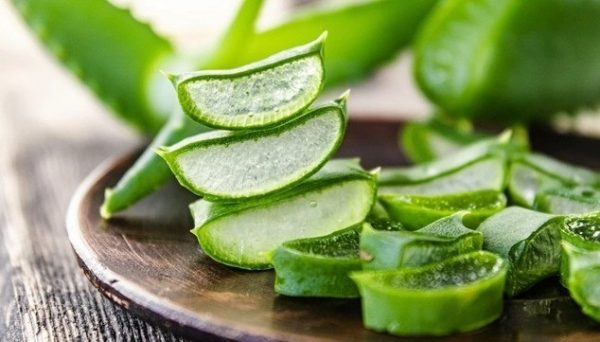
Aloe vera: Rich in medicinal value
Aloe vera, scientifically known as Aloe vera, A. barbadensis, or A. vulgaris, belongs to a genus of various species native to North Africa. Several prominent scientists in the United States and Japan have conducted formal experimental and clinical research over many years, demonstrating that aloe vera offers tremendous benefits for human health.
According to traditional medicine, aloe vera has a bitter taste and cooling nature, acting on the liver, stomach, and large intestine meridians. This herbal remedy is used to clear heat, ease bowel movements, and support the treatment of conditions such as liver fire, constipation, infantile nutritional accumulation, and infantile convulsions, while also helping counteract Croton tiglium toxicity.
According to modern medicine, aloe vera is recognized for numerous health benefits. It is used in preparations to help treat boils, eczema, and skin fungal infections; possessing antibacterial and mildly anesthetic properties, it helps soothe the skin and promote wound healing.
Additionally, aloe vera provides antioxidant and detoxifying effects, slows down the aging process, and strengthens the immune system.
Not only considered a "panacea" for health, aloe vera is also a widely favored natural beauty ingredient. Aloe vera gel serves as a natural moisturizer, suitable for both facial and body care. For acne-prone skin in particular, aloe vera helps soothe inflammation and reduce excess sebum thanks to its rich content of beneficial vitamins and enzymes.
- Aloe vera as a natural makeup remover
Aloe vera gel offers gentle cleansing, especially effective around the delicate eye area. Simply slice an aloe leaf, apply the gel to a cotton pad, and gently wipe to remove makeup while retaining skin moisture. This is a safe makeup removal method suitable for daily use.
- Aloe vera for soft, smooth hair conditioning
Applying aloe vera gel to your hair and scalp and letting it condition for a few minutes before rinsing helps strengthen hair. Aloe vera gel nourishes the scalp, softens strands, reduces frizz, and enhances natural shine.
- Aloe vera promotes hair growth
Massaging aloe vera gel into the scalp, leaving it on for about 30 minutes, and then rinsing thoroughly can help unclog hair follicles, support nutrient absorption, and balance pH levels. As a result, hair becomes healthier and grows more easily.
- Aloe vera as a safe hair removal gel
Thanks to its cooling and moisture-rich texture, aloe vera can be used as a natural shaving or hair removal gel. The gel helps reduce friction, soothes the skin, and minimizes post-shave irritation.
- Aloe vera helps reduce bad breath and tooth decay
Several studies note that aloe vera can help reduce bad breath, prevent tooth decay, and protect gums due to its natural antibacterial properties.
- Aloe vera effectively combats wrinkles
Aloe vera delivers hydration, keeping skin soft and smooth. With its antibacterial and anti-inflammatory properties, it helps soothe skin, reduce acne, fade dark spots, and prevent new breakouts. In addition, aloe vera stimulates collagen and elastin production, promoting skin cell renewal to slow aging and smooth wrinkles.
- Aloe vera soothes and supports burn recovery
Aloe vera has long been known as a "miracle" plant offering countless benefits for health and beauty. It serves as an effective first-aid remedy for minor burns and sunburns.
Applying the gel directly to damaged skin helps relieve pain and itching sensations thanks to its anti-inflammatory and moisturizing properties. It is also an ideal choice for irritated or mildly injured skin.
Important notes when using aloe vera for skincare
Although it is a natural ingredient, aloe vera must be used properly to ensure safety:
Clean and prepare aloe vera thoroughly, avoiding contact with unwashed hands on the inner gel.
Choose fresh, succulent leaves to ensure optimal nutrient content.
Test for allergic reactions by applying a small amount to your wrist or behind your ear before using it on your face.
Leave face masks on for only 15–20 minutes; leaving them on too long may cause dryness or irritation.
Thoroughly remove the yellow latex (sap), as it can dry out the skin and trigger irritation.
Apply face masks preferably in the evening; wear sunscreen when going outdoors during the day.
Avoid getting aloe vera into the eyes or open wounds; do not apply excessively to newly formed, delicate skin.
Avoid consuming or drinking excessive amounts of aloe vera over extended periods, as it may adversely affect kidney function.