
Do Not Just Eat the Fruit: The Leaves of This Plant Are as Precious as "Ginseng"

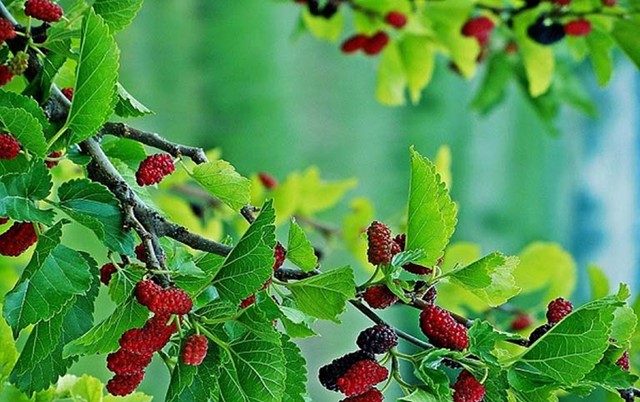
Illustrative image.
Around late March to early April, mulberries begin to ripen in abundance. This is when mulberries are widely available in local markets at very affordable prices.
This rustic fruit is regarded as a "natural treasure," packed with precious active compounds that nourish bones and joints from within. When consumed properly, the benefits can surpass expectations.
According to nutritional research, mulberries are rich in anthocyanins, resveratrol, vitamin C, and potent antioxidants that help protect cells and reduce inflammatory damage—one of the primary causes of joint pain and degeneration.
Beyond the berries, mulberry leaves are also exceptionally nutritious. Known in traditional medicine as Folium Mori albae, they are the leaves of the white mulberry tree (Morus alba L.), belonging to the Moraceae family. Mulberry leaves contain gelatin compounds, carotene, tannins, vitamins C, B1, and B2, choline, adenine, trigonelline; sugars such as fructose, sucrose, and glucose; folic acid, glutamic purines, glutathione; and trace minerals including copper (Cu), zinc (Zn), and boron (B).
According to Oriental medicine, mulberry leaves have a bitter-sweet taste and a cold nature, acting on the lung and liver meridians. They work to dispel wind-heat, clear the lungs to relieve coughing, and soothe the liver to brighten vision. They are used to treat wind-heat colds, headaches, red and painful eyes, bronchitis, dry cough with little phlegm, and excessive thirst with dry mouth. Recommended dosage: 6–15g; can be cooked in soups, brewed as tea, or decocted.
Mulberry leaves help lower blood pressure, inhibit bacteria, fight inflammation, suppress viruses, reduce lung inflammation, detoxify the liver, and improve eyesight.

These greens can also be used to treat jaundice, heat-related colds, and headaches caused by damp-heat. Mulberry leaves promote urination and help alleviate symptoms such as dark yellow urine and bloodshot eyes. In addition, they clear heat and detoxify, helping to ease liver-yang hyperactivity and excessive liver fire while offering protective benefits for the liver.
However, keep in mind that mulberry leaves have a cold nature. They should not be consumed in excess to avoid placing extra strain on the digestive tract and causing discomfort such as abdominal pain and diarrhea. Furthermore, avoid eating them alongside cold-natured foods such as crab or mung beans to prevent digestive distress.
While mulberry leaves are a valuable herbal remedy, they cannot completely replace prescribed medications. If you experience persistent symptoms, visit a healthcare facility promptly and follow your doctor's treatment advice.

How to Make Nourishing Mulberry Leaf and Chicken Soup
Ingredients: 1 handful of young mulberry leaves and tender shoots, 250g chicken, 1 small piece of ginger, 1 tbsp cooking wine, cooking oil, seasonings to taste, 1 tbsp chicken bouillon powder.
Instructions:
- First, soak the mulberry leaves in clean water for a short while, then gently rub them to remove dust and surface impurities. Rinse thoroughly. Bring a pot of water to a boil, add the mulberry leaves, and blanch for about 1 minute. Remove the leaves from the pot and drain well.
- Rinse the chicken, slice thinly, and marinate with a pinch of seasoning and 1 tablespoon of cooking wine to eliminate any gaminess. Peel and slice the ginger. Heat cooking oil in a pot over medium heat, then quickly stir-fry the chicken and ginger until the meat turns opaque.
- Add an appropriate amount of boiling water to the pot. Bring to a rolling boil, then lower the heat and simmer gently for about 3–5 minutes so the chicken flavors infuse into the broth.
- Season with salt and chicken bouillon powder to taste. Add the blanched mulberry leaves into the pot and cook over medium heat for about 3 minutes. Avoid boiling too long so the leaves do not become mushy. Once the leaves are tender and the soup is flavorful, turn off the heat. Ladle the soup into a bowl, garnish with goji berries, let rest briefly, and serve warm.