
Lotus Plumule: From a Countryside Herbal Remedy to a Modern Wellness Tea
Using lotus plumule tea correctly, and in moderation, helps maximize its health benefits.
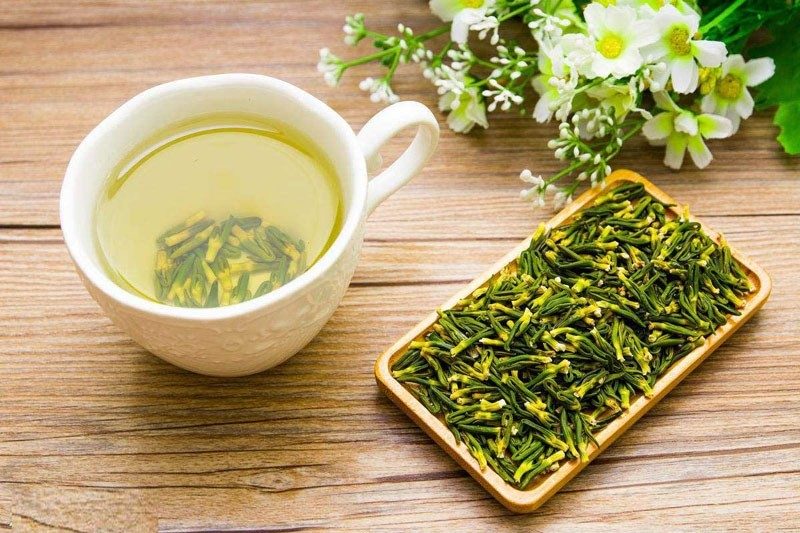
Unlike traditional teas such as green tea or oolong tea, lotus plumule tea is made from the green embryo found inside mature lotus seeds. As the seed matures, this green sprout develops an astringent, bitter taste when eaten raw, so it is typically extracted and dried to brew tea.
According to traditional medicine and modern research, lotus plumules contain various bioactive compounds such as asparagine, nelumbin, nuciferine, and liensinine—all of which are beneficial to health. Lotus plumule tea has cooling properties and a mild bitter taste, commonly used to clear internal heat and soothe the body.
What are the benefits of lotus plumule tea?
Promotes better sleep: One of the most well-known benefits of lotus plumule tea is its ability to calm the mind and improve sleep quality. Active compounds such as asparagine, nelumbin, nuciferine, and liensinine help relax the nervous system and relieve stress, making it easier to fall asleep and enjoy deeper rest.
In addition, internal heat—a common cause of restlessness and sleeplessness—is also alleviated thanks to the cooling nature of the tea. Traditionally, drinking about 100 ml of tea brewed from 1 g of lotus plumules roughly 30 minutes before bedtime can help ease insomnia and disturbed sleep.
Supports blood pressure regulation: Lotus plumule tea is believed to help stabilize blood pressure, particularly in individuals with hypertension. The active compounds in lotus plumules help reduce vascular resistance against arterial walls, thereby aiding blood pressure management.
Those with signs of elevated blood pressure can steep around 3 g of lotus plumules in 500 ml of boiling water and sip it throughout the day. However, individuals with low blood pressure or anemia should avoid lotus plumule tea to prevent dizziness and fatigue.
Furthermore, lotus plumule tea is believed to improve blood circulation, boost oxygen supply to the heart, and help alleviate heart palpitations or irregular heartbeat.
Aids blood sugar control: For people with diabetes, dietary management plays a crucial role alongside medical treatment. Studies indicate that alkaloids in lotus plumules can help moderate post-meal blood sugar spikes.
Accordingly, drinking warm lotus plumule tea after meals can support glycemic control. Nonetheless, patients should consult their physician before use to ensure safety and alignment with their treatment regimen.
Helps prevent capillary bleeding: Lotus plumules contain quercetin and flavonoids—compounds that strengthen capillary walls and help control bleeding tendencies. As a result, lotus plumule tea is regarded as a supportive beverage for individuals prone to capillary fragility.
Relieves stress and fatigue: The active compounds isoliensinine and liensinine in lotus plumule tea help ease tension and mental exhaustion. For those under regular work pressure, enjoying lotus plumule tea during breaks can encourage relaxation and enhance focus.
In addition, it is thought to help reduce the accumulation of unhealthy fats, making it suitable for sedentary office workers.
Supports weight management: Some studies suggest that lotus plumule tea may help inhibit the absorption of fats and carbohydrates through its bioactive compounds, thereby stimulating metabolism. Incorporating lotus plumule tea into a balanced diet and healthy lifestyle can contribute to weight control and body fitness.
How to consume lotus plumule tea safely?
Despite its many benefits, lotus plumule tea should not be overconsumed and cannot replace prescribed medical treatments. Users should keep the following in mind:
Consume no more than 5 g of tea per day, for no more than 5 days a week; Do not use if you have low blood pressure, as it may cause dizziness and fatigue; The best time to drink is after meals; avoid drinking on an empty stomach.
Anyone undergoing medical treatment or taking prescription medications should consult a doctor before use; Do not consume tea showing signs of mold, dampness, or deterioration.
Using lotus plumule tea correctly, and in moderation, will help maximize its health benefits while preventing unwanted side effects.