
Kudzu Root: A Folk Remedy to Clear Heat and Relieve Hangovers
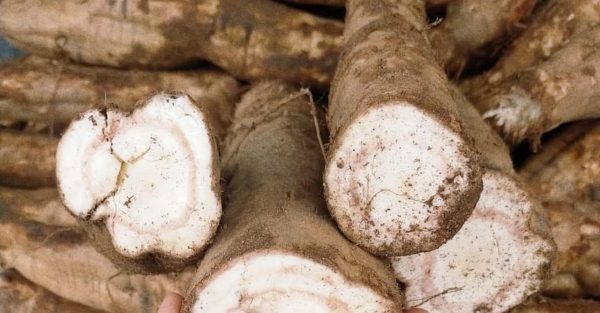
Fresh kudzu roots widely available at local markets. Photo: Do TuoiAccording to Dr. Ngo Duc Phuong, Director of the Institute of Traditional Herbal Medicine, kudzu is a climbing vine scientifically known as Pueraria lobata, belonging to the legume family (Fabaceae). It is widely cultivated across many regions of Vietnam, serving both as food and medicine.
Beyond the tubers, almost every part of the kudzu plant can be utilized in traditional medicine. However, the most valued part is the root tuber. Tubers are typically harvested in winter and spring when the concentration of active compounds is at its peak. After being dug up, the roots are cleaned of soil, peeled, cut into chunks or sliced, and then sun-dried or heat-dried. In Eastern medicine, this processed root is known as Gegen (cat can).
“In terms of nutritional composition and medicinal properties, kudzu root contains a high amount of easily digestible starch along with various isoflavones such as puerarin, daidzein, daidzin, and more. Modern research indicates that these compounds provide antioxidant effects, promote vasodilation, reduce fever, and support metabolic processes,” Dr. Phuong explained.
According to traditional medicine, kudzu root has a sweet taste and cool nature. It is commonly used to clear internal heat, quench thirst, and soothe discomfort caused by internal heat or dehydration—symptoms frequently encountered in summer or after consuming spicy, greasy, or protein-rich foods. In addition, kudzu supports digestion, soothes the gastrointestinal tract, and helps alleviate bloating and stomach discomfort.
In particular, kudzu root is well known for its ability to relieve hangovers and help recover from alcohol consumption. Thanks to its cooling, vasodilating, and metabolism-boosting properties, it helps reduce fatigue, headaches, and dry mouth following alcohol consumption, especially during prolonged social gatherings and parties.
People can consume kudzu in various ways, such as juicing, chewing the fresh root directly, or combining it with other vegetables and herbs to enhance its effectiveness. One popular option is a juice made from equal parts fresh kudzu root and lotus rhizome. This blended juice is well-suited for individuals experiencing subcutaneous bleeding, menorrhagia, metrorrhagia, bleeding gums, or hematuria and hematochezia.
Who Should Avoid Kudzu or Use It with Caution
While kudzu root is generally considered gentle and safe, Dr. Phuong notes that three groups of people should exercise caution:
- People with spleen and stomach deficiency cold, prone to stomach chills or diarrhea: Kudzu has a cooling nature, which may trigger bloating and loose stools.
- Pregnant women, especially during the first trimester: This group should avoid frequent use or high doses due to the biological activity of isoflavones.
- Individuals experiencing fatigue, cold chills, or aversion to cold: Consuming fresh kudzu may worsen these symptoms.