
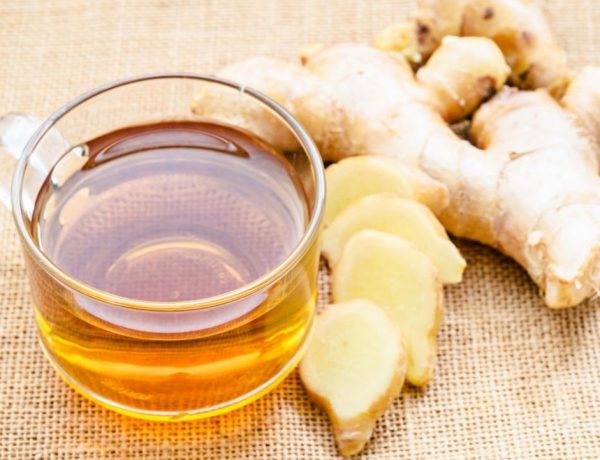
Is drinking ginger water good for the liver?
Ginger is widely utilized as a medicinal food thanks to its ability to "cleanse the body" by stimulating digestion, circulation, and perspiration. Its digestive support helps eliminate accumulated waste and toxins in the colon, liver, and several other organs.
Health benefits of ginger root
Ginger root is an excellent food to incorporate into your daily diet. It has been used for thousands of years as an herbal remedy to support the treatment of various health conditions, such as:
-
Improving digestion
-
Boosting the immune system
-
Reducing inflammation
-
Combating pathogens (antiparasitic, antifungal, antiviral, and antibacterial)
-
Relieving asthma episodes
-
Supporting cardiovascular health
-
Relieving nausea
-
Alleviating cold and flu symptoms
According to a study published in the Journal of Medicinal Food, ginger influences several inflammatory processes at the cellular level. Ginger shares pharmacological properties with non-steroidal anti-inflammatory drugs, making it an effective remedy for both acute and chronic inflammatory conditions.
In addition, ginger plays a key role in keeping the liver functioning optimally. A healthy liver naturally has the capacity to regenerate new cells to replace damaged ones. However, sustained damage from continuous toxin exposure can exceed the liver's regenerative capacity, readily leading to liver fibrosis. Even if you do not have liver disease, exposure to toxic substances or excess fat buildup can still damage liver cells.
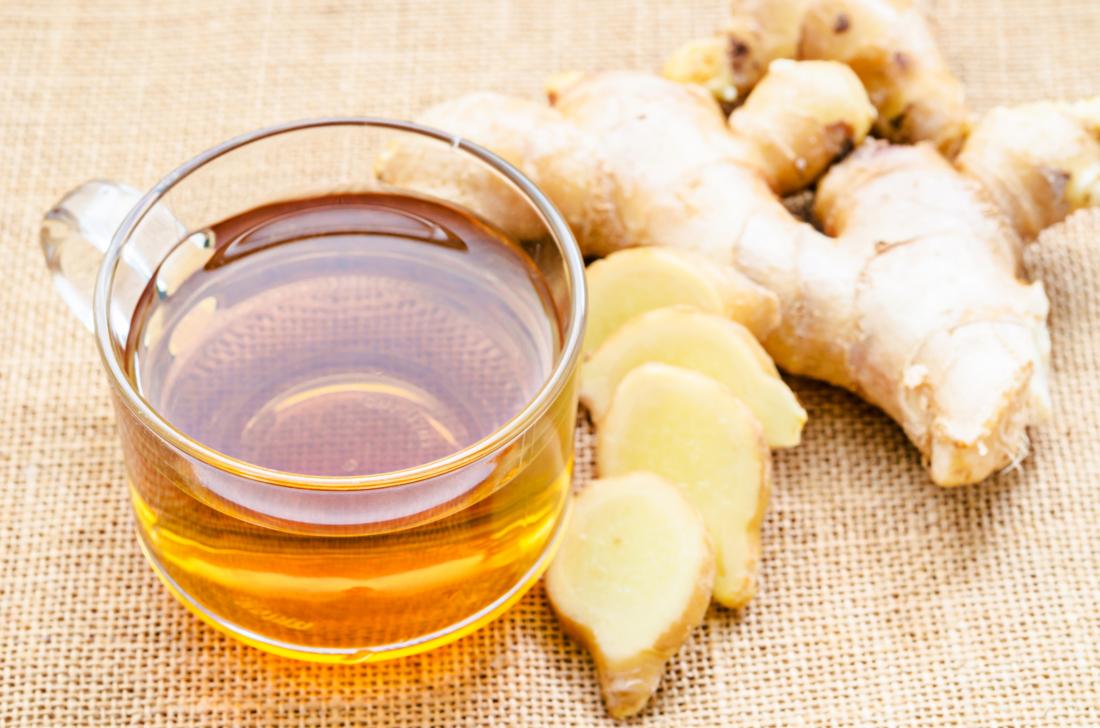
Ginger offers liver benefits when consumed properly and in the right amounts.
How does ginger support liver health?
Drinking a cup of ginger tea every day brings numerous benefits to liver health. Ginger's spicy, pungent flavor reflects its thermogenic properties, which help enhance blood circulation and deliver oxygen, minerals, and vitamins to all cells in the body. Furthermore, ginger contains high levels of natural antioxidants that help reduce cellular damage.
Ginger contains key active compounds, gingerols and shogaols. Medical studies show that these compounds help protect liver cells through specific mechanisms:
For cirrhosis: According to a study published in the journal Nutrition and Metabolism in June 2011, ginger may help protect against liver cirrhosis. Researchers tested various ginger extracts and observed that all of them increased antioxidant enzymes used by the liver, including glutathione and superoxide dismutase. Consequently, ginger has the potential to safeguard liver cells from free radical damage.
For fatty liver disease: According to a study published in the World Journal of Gastroenterology in January 2011, ginger can help protect against non-alcoholic fatty liver disease (NAFLD). Scientists believe that ginger may help prevent or treat this condition by reducing oxidative stress on the liver, decreasing insulin resistance, and inhibiting inflammation—factors that contribute to NAFLD.
According to Assoc. Prof. Dr. Nguyen Thi Lam, former Deputy Director of the National Institute of Nutrition, the active compounds in ginger can inhibit cytokines and prostaglandins—inflammatory mediators. As a result, regular ginger consumption can help reduce liver inflammation and support improved liver function. Some studies also show that ginger helps lower blood lipids and improve liver enzyme levels.
How to properly consume ginger water
To maximize the benefits of ginger water without straining the digestive system or liver, consumers should pay attention to preparation and timing:
-
Appropriate dosage: According to the U.S. Food and Drug Administration (FDA), consuming ginger is safe at a dosage of about 2–4 grams of fresh ginger, equivalent to a few thin slices per day. Standard ginger tea recipes typically contain about 1–1.5 grams per tea bag. Exceeding this amount may cause internal heat or irritate the gastric mucosa.
-
Preparation method: Fresh ginger should be thoroughly washed, thinly sliced, and steeped in hot water for about 5–10 minutes. Avoid boiling ginger for too long, as this can evaporate beneficial essential oils and compounds.
-
Best time to drink: The best time to drink ginger water is in the morning or about 30 minutes after meals. Drinking ginger water after meals helps stimulate digestion, ease bloating, and assist the liver during metabolic processes.