
Does Eating Chicken Breast Help with Weight Loss Better Than Eating Eggs?
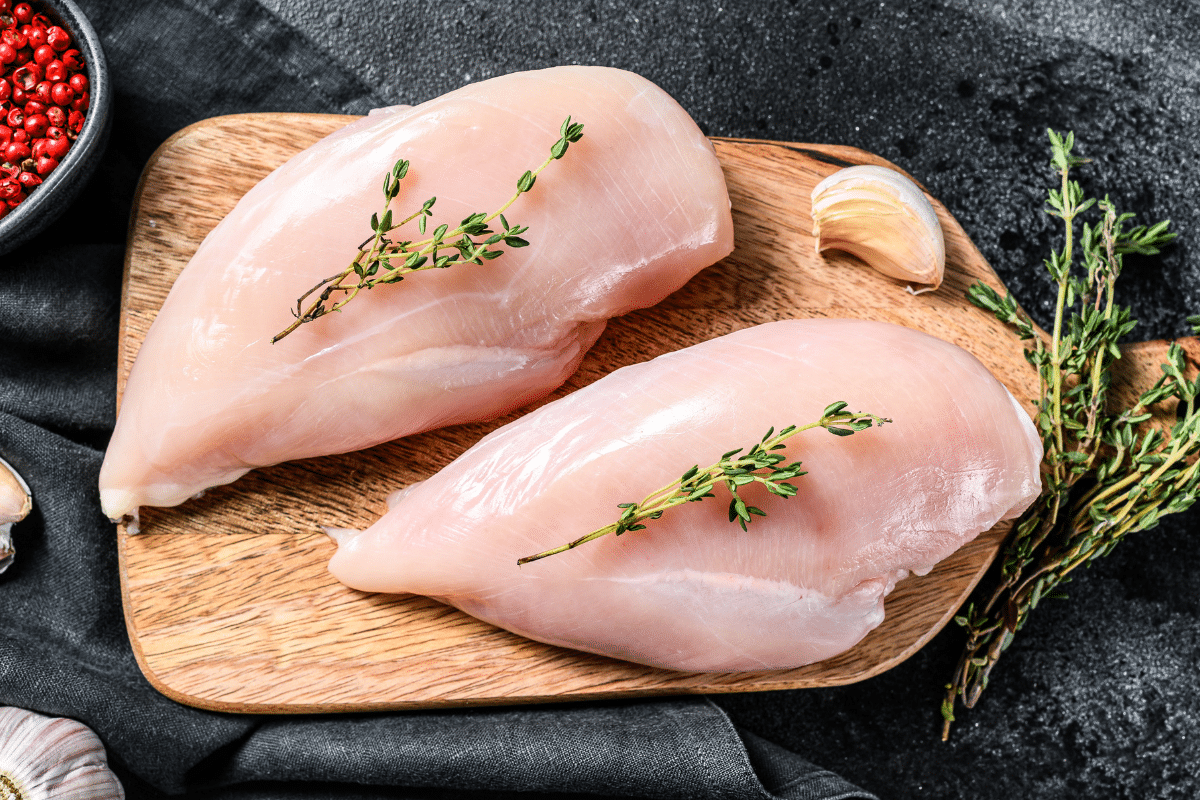
Boiled or oil-free pan-seared chicken breast typically provides high protein with relatively low calories, making it very suitable for those looking to lose weight or build muscle.
1. Both are rich in protein, so why do chicken breast and eggs differ in energy content?
Chicken breast is considered a high-protein, low-fat food, especially when skinless. A serving of boiled or oil-free pan-seared chicken breast usually provides a high amount of protein while keeping calories relatively low. Therefore, many people choose chicken breast when they want to lose weight or build muscle.
Meanwhile, eggs are also a high-quality protein source, containing all essential amino acids. However, egg yolks contain fat, which makes the total energy of an egg higher compared to an equivalent amount of lean chicken breast. This does not mean eggs "cause weight gain," but rather that their energy densities differ.
A notable point is that eggs are often consumed in smaller portion sizes. Many people only eat 1–2 eggs per meal, whereas a portion of chicken breast can reach 100–150g. Thus, the actual total calorie intake depends heavily on how they are eaten and the portion size rather than the food itself.
In addition, eggs are rich in micronutrients like vitamin D, choline, and essential fats needed by the body. In contrast, chicken breast mainly provides protein and very little fat. Therefore, in terms of overall nutrition, each has its own advantages, and conclusions cannot be drawn based on calorie count alone.
2. Does eating chicken breast or eggs curb cravings better?
Protein plays a vital role in prolonging feelings of satiety, and both chicken breast and eggs offer this benefit. When eating protein-rich foods, the body takes longer to digest them, thereby reducing cravings between meals.
Chicken breast usually has the edge with a higher protein content per serving, which helps sustain fullness longer, especially when paired with green vegetables or whole grains. Such meals typically help curb subsequent snacking.
However, eggs offer a more balanced nutritional profile between protein and fat. This combination also contributes to slowing down digestion. Consequently, studies have shown that having eggs for breakfast can help control food intake throughout the day.
Moreover, satiety also depends on cooking methods. Chicken breast fried in a lot of oil is entirely different from boiled chicken breast. Similarly, deep-fried eggs are much higher in calories than boiled eggs. Thus, cooking techniques play just as important a role as food choices.
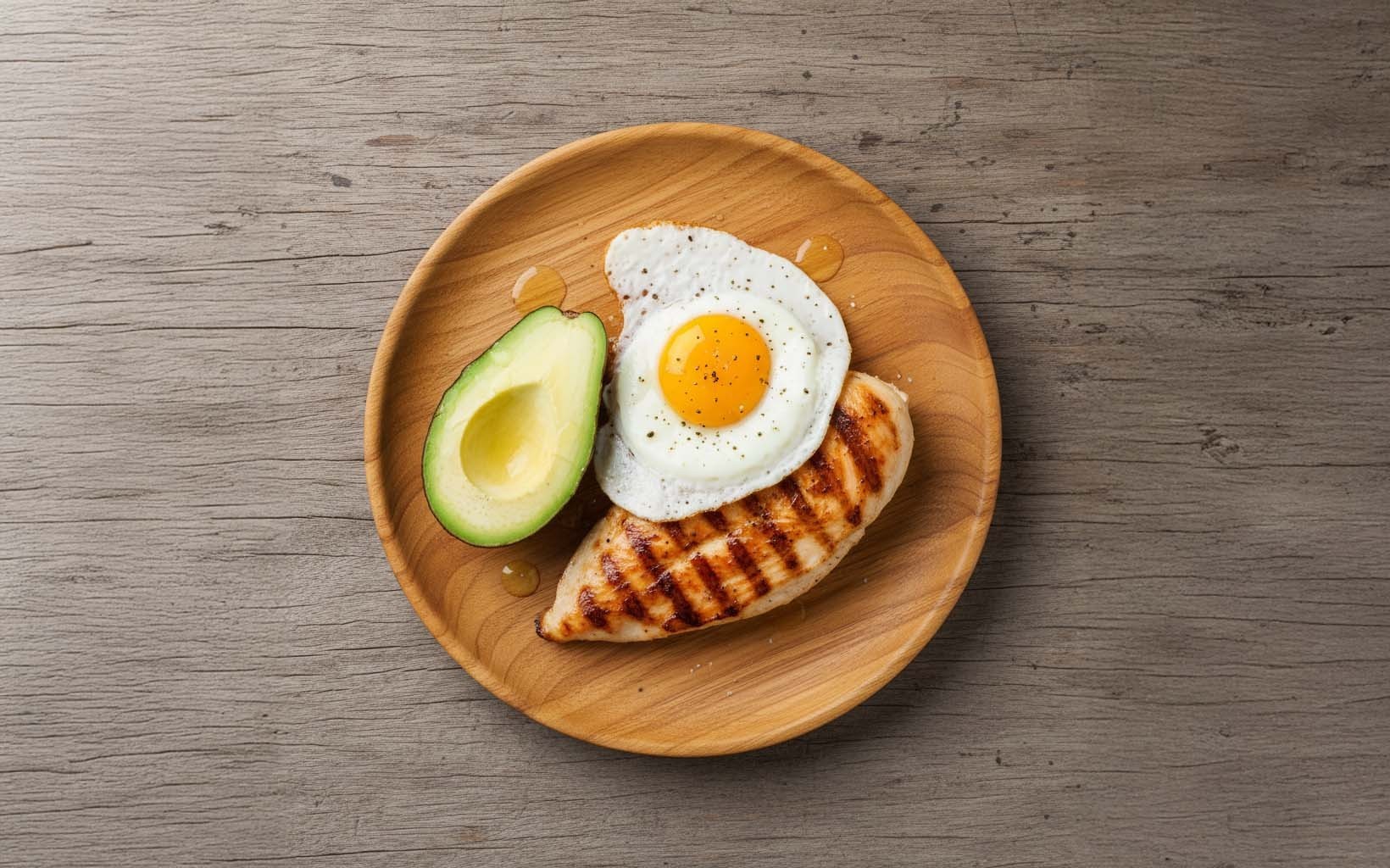
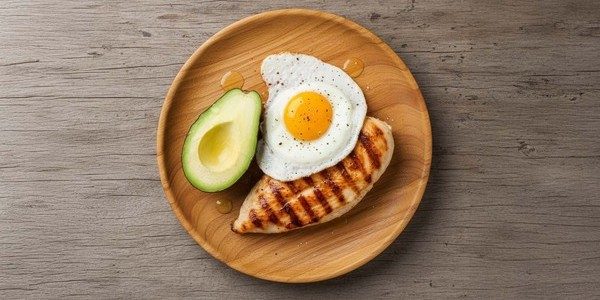
When consuming protein-rich foods like chicken breast and eggs, the body takes more time to digest, thereby reducing cravings between meals.
3. Should you choose chicken breast or eggs for weight loss?
If the goal is to cut calories while maintaining a high protein intake, chicken breast can be a suitable choice. Particularly for those who exercise regularly, the protein from chicken breast supports the maintenance of muscle mass during weight loss.
However, eating chicken breast continuously can easily become monotonous and make a diet difficult to sustain in the long run. Eggs, on the other hand, have the advantage of being easy to prepare, versatile, and suitable for various meals. This helps individuals trying to lose weight maintain more consistent eating habits.
In reality, there is no need to choose between the two. Incorporating both chicken breast and eggs throughout the week is usually the most sensible approach. For example, having eggs for breakfast and chicken breast for lunch or dinner helps diversify nutrients while still managing energy intake.
The most crucial factor remains total daily caloric intake and the balance of your meals. Whether you eat chicken breast or eggs, if portions are excessively large or combined with high-calorie foods, weight loss will still be challenging. Therefore, instead of focusing on a single food item, one should look at the overall diet.