
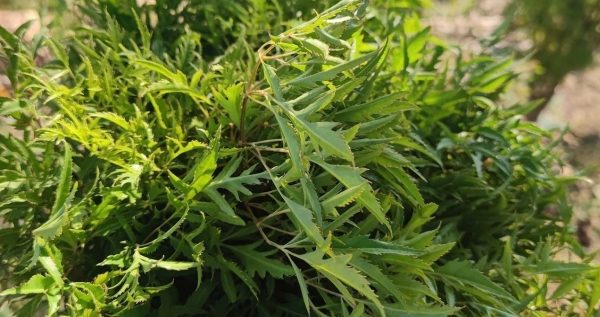
Medicinal Properties and Usage of Ming Aralia
Ming aralia leaves relieve headaches and insomnia. Photo: H. AnhMing Aralia and Its Chemical Constituents
Dr. Ngo Duc Phuong, Director of the Institute of Traditional Herbal Sciences, notes that Ming aralia (scientific name: Polyscias fruticosa) is not only a culinary herb in many rustic dishes but has also long been an integral part of Vietnamese traditional medicine.
Ming aralia contains numerous vitamins, most notably vitamin B1—a vital nutrient for the nervous system and energy metabolism. Furthermore, it is rich in glycosides, alkaloids, and flavonoids, compounds that play a role in aiding disease treatment, providing antioxidant protection, and boosting overall health.
Chemical analysis reveals that the root bark and leaves of Ming aralia contain saponins, alkaloids, vitamins B1, B2, B6, and C, about 20 types of amino acids, glycosides, phytosterols, tannins, organic acids, essential oils, numerous trace elements, and up to 21.1% sugars.
Traditional Medicinal Uses
According to traditional medicine, Ming aralia, especially its leaves, helps alleviate numerous health issues.
Beneficial for the digestive system: A decoction of Ming aralia leaves aids in relieving diarrhea, bloating, and indigestion. Drinking leaf infusions or decoctions daily helps stimulate digestion and soothe common intestinal disorders.
Regulating menstruation: Ming aralia leaves help relieve menstrual cramps, improve blood circulation, regulate cycles, and ease uncomfortable symptoms.
Relieving headaches and insomnia: Ming aralia leaves enhance immunity, improve mood, and relieve stress. In folk remedies, Ming aralia leaves are often sun-dried, pan-roasted, and combined with coral tree leaves (lá vông), passionflower (lạc tiên), and lotus plumule (tâm sen) as an infusion or decoction to promote deep sleep and a relaxed state of mind.
Antiseptic and anti-inflammatory properties: Fresh Ming aralia leaves washed thoroughly, crushed with a pinch of salt, and applied topically to acne-prone skin offer antiseptic and anti-inflammatory benefits.
Dosage and Precautions
Nonetheless, experts advise that Ming aralia must be used properly. Specifically:
- Limit daily consumption to about 10–20g of dried herb; avoid prolonged overconsumption.
- Children should only use it externally and must not drink Ming aralia tea or decoctions.
- Pregnant women, especially during the first trimester, should exercise caution.
- Decoctions should not be left to cool for too long or kept overnight.
- Consult a healthcare provider or physician before regular use to ensure safety and effectiveness.