
Kidney beans – a familiar yet precious “plant ginseng,” great for cardiovascular health and blood sugar
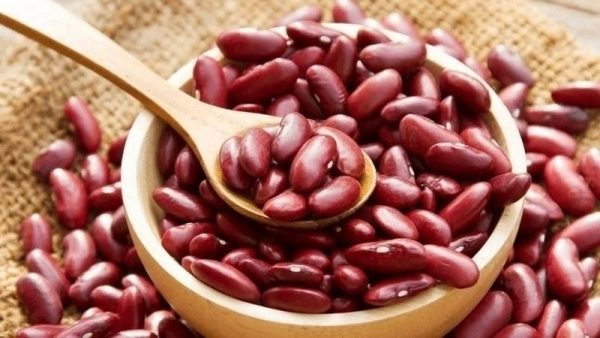
Kidney beans are not only a familiar ingredient in sweet desserts, but they also provide an abundant supply of plant-based protein and minerals. (Illustrative photo: Thanh Nien)
A rich source of plant protein
Kidney beans are among the best plant-based protein sources, making them an ideal meat substitute for vegetarians or anyone looking to reduce animal protein intake. The protein in kidney beans plays a crucial role in building and repairing muscle tissues and supporting a healthy immune system. When paired with whole grains like brown rice, kidney beans provide a complete protein containing all the essential amino acids your body needs.
Blood sugar management and diabetes prevention
Thanks to their low glycemic index (GI) and remarkably high fiber content, kidney beans effectively help stabilize post-meal blood sugar levels. The slow-digesting starches in kidney beans are processed gradually, preventing blood sugar spikes—the primary culprit behind fatigue and fat accumulation. They are particularly beneficial for individuals with type 2 diabetes or those managing prediabetes.
Cardiovascular protection and cholesterol reduction
Kidney beans are packed with soluble fiber, which binds to bile acids in the digestive tract and excretes them, thereby lowering LDL ("bad") cholesterol levels in the blood. In addition, their abundant potassium and magnesium content helps regulate blood pressure, relax blood vessels, and ease stress on the cardiovascular system. Incorporating kidney beans into your weekly diet significantly lowers the risk of stroke and coronary heart disease.
Weight management support and digestive health improvement
If you are looking for a natural food to aid weight loss, kidney beans are an excellent choice thanks to their powerful combination of protein and dietary fiber. The fiber promotes a lasting sense of fullness, helping curb cravings and prevent overeating throughout the day. At the same time, this insoluble fiber acts like a "broom" that cleanses the intestinal tract, promoting smooth bowel movements and effectively preventing constipation.
Cancer prevention and anti-aging benefits
Red kidney beans contain exceptionally high levels of antioxidants, particularly anthocyanins and phenolic compounds that safeguard cells from free radical damage. These antioxidants have been shown to help suppress the proliferation of cancer cells, especially colorectal cancer. Furthermore, the B vitamins and minerals in kidney beans help nourish healthy skin, slow down aging, and maintain mental clarity.
Important notes when preparing kidney beans
Raw kidney beans contain high amounts of a toxic lectin called phytohaemagglutinin. For food safety, you must never consume raw or undercooked kidney beans. Always soak the beans for at least 8 hours and boil them vigorously in fresh water for at least 10–30 minutes to completely break down toxins before consumption.