
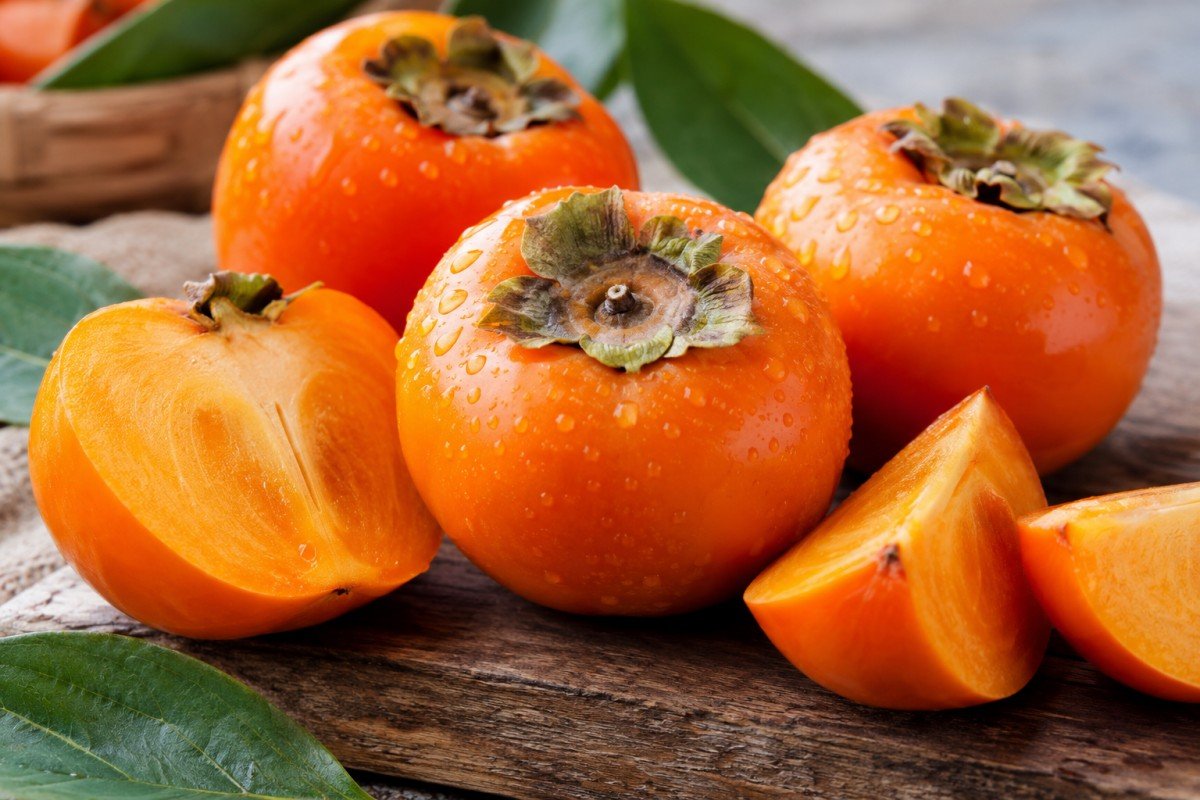
Eating persimmons properly to avoid bloating and constipation
Persimmons originate from East Asia and have been cultivated for thousands of years. With a characteristically sweet taste and eye-catching orange color, persimmons are commonly consumed fresh, dried, or processed into various dishes.
Not just a familiar fruit, persimmons also provide vitamin A, vitamin C, potassium, fiber, and many antioxidant compounds. Eating them in appropriate amounts can contribute nutrients to a balanced diet.
However, persimmons also contain certain components that can cause digestive discomfort if eaten in excess or when the fruit is not yet ripe.
Potential side effects of eating too many persimmons
Potential for bezoar formation and intestinal obstruction
One notable concern when eating persimmons, especially green or unripe ones, is the risk of forming bezoars (masses of undigested material) in the digestive tract.
Persimmons contain tannins—the substance that creates an astringent taste—along with pectin. When consumed in large quantities, particularly by people with poor digestive function, these components can contribute to an increased risk of forming masses in the stomach.
Assoc. Prof. Dr. Đặng Quốc Ái, Vice Head of the Department of General Surgery at E Central Hospital, stated that tannins and pectin are abundant in persimmons, especially in the skin. These substances have mucosal astringent properties and can affect intestinal motility. If consumed improperly, foods high in fiber and indigestible structures can increase the risk of digestive disorders and even intestinal obstruction in some cases.
When symptoms such as severe abdominal pain, vomiting, bloating, or inability to have a bowel movement appear, timely medical examination is necessary.
Causing bloating, indigestion, and constipation
Tannins have astringent properties and can affect the activity of the digestive tract. Eating too many persimmons, especially astringent ones, can make some people feel bloated, suffer from indigestion, or constipation.
Therefore, people with sensitive digestive systems should eat persimmons in moderation and prioritize ripe fruit.
Diabetic patients need to control portions
Ripe persimmons contain natural sugars; therefore, eating a large amount at once can increase the body's carbohydrate intake.
People with diabetes or pre-diabetes should control their portions, factor the persimmon intake into their total carbohydrate count, and monitor blood sugar according to their doctor's instructions.
Kidney patients should note potassium levels
Persimmons contain potassium. While this is an essential mineral for the body, people with chronic kidney disease may need to control their potassium intake because the kidneys' ability to excrete potassium is impaired.
Hyperkalemia (high blood potassium) can cause serious complications, including heart rhythm disorders. Therefore, kidney patients should discuss the appropriate amount of persimmons with their doctor or nutritionist.
Allergic reactions may occur
Allergies to persimmons are uncommon but can still occur. Manifestations may include itching, hives, swollen lips, or difficulty breathing.
If difficulty breathing, swelling of the face or throat, dizziness, or other serious signs appear after eating persimmons, emergency medical care is required.
How to eat persimmons safely?
To take advantage of the nutritional value of persimmons while limiting the risk of digestive discomfort, consider the following:
Choose ripe fruit: Prioritize fruit that is ripe and soft, and reduce the consumption of green or highly astringent persimmons.
Do not eat too many at once: Portions should be appropriate for the nutritional needs and health status of each individual.
Do not eat on an empty stomach: People with sensitive digestive systems should avoid eating persimmons when their stomach is empty.
Chew thoroughly: Thorough chewing helps break down food into small pieces, supporting the digestion process.
Note for people with chronic diseases: People with diabetes, chronic kidney disease, the elderly with poor digestion, or those who have had digestive surgery should consult a doctor when they need to control the amount of persimmons in their diet.
For young children, do not give them too many persimmons at once and choose ripe, soft fruit suitable for the child's chewing and swallowing abilities.
Persimmons remain a nutritious fruit if used reasonably. The important thing is to choose ripe fruit, eat in moderate portions, and be mindful of personal health status to limit disadvantages for the digestive system.